
Flowers
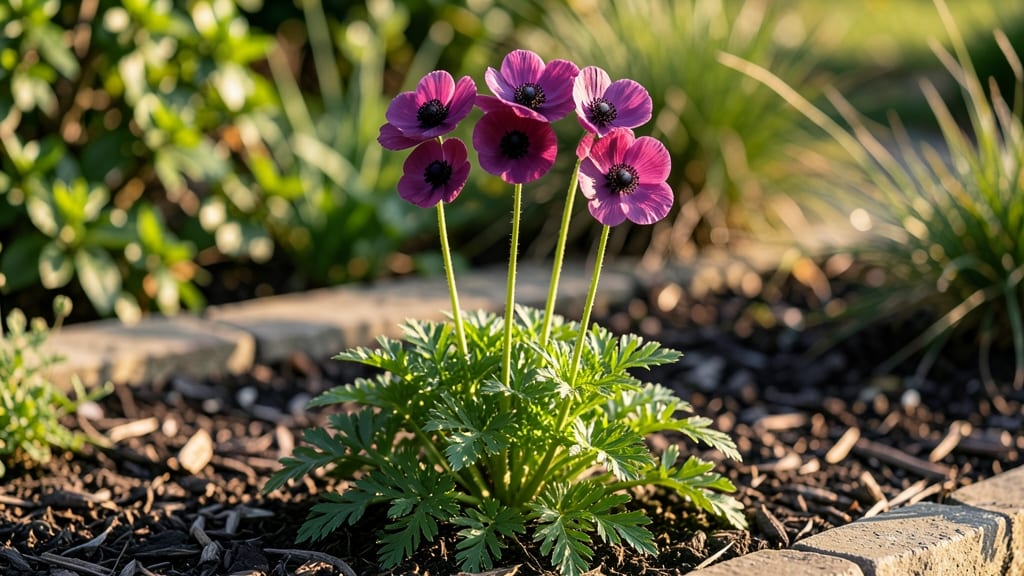
If you're planning your garden layout, knowing how tall anemone flowers grow could make all the difference between a crowded border and a beautifully layered display. These delicate 🌸 blooms range from dainty 8-inch varieties to towering 4-foot giants—depending entirely on the species you choose.
Japanese anemones, for example, often reach 3 to 4 feet at maturity, making them perfect for adding height to the back of borders. Meanwhile, windflowers (like Anemone coronaria) stay much shorter, typically 1 to 2 feet, ideal for filling gaps in front of taller perennials.
The right placement isn't just about aesthetics—it's about giving each plant room to thrive.
But here's the catch: even within the same variety, factors like sunlight, soil quality, and pruning can influence how tall your anemones grow. Too much shade might stunt their height, while rich, well-draining soil can encourage them to reach their full potential.
I’ll show you how to optimize these conditions for the perfect-sized blooms in your garden.
Whether you're designing a cottage garden or a modern landscape, understanding these height variations lets you create drama, texture, and balance. Let’s break down the specifics so you can plant with confidence—and watch your anemones shine all season long.

Anemone flower height by variety: compact to towering types
Anemones offer a stunning range of heights, from delicate 8-inch woodland varieties to dramatic 4-foot Japanese giants. The key to choosing the right type for your space is understanding these height differences—and how they translate into your garden design.
For example, windflowers (Anemone coronaria) typically stay between 12 and 18 inches, making them perfect for cottage gardens or container displays, while Japanese anemones (Anemone × hybrida) can soar to 3 to 4 feet, ideal for adding vertical interest to borders.
Even within these categories, there’s variation. Some woodland anemones (Anemone nemorosa) barely reach 6 to 12 inches, creating a low, carpet-like effect, while hybrid anemones often fall in the 2 to 3 feet range.
This diversity means you can use anemones to fill every layer of your garden—from foreground accents to towering backdrops. The trick is matching the variety to your space and sunlight conditions to ensure they thrive.
Below, I’ve organized the most popular anemone varieties by height, along with their ideal uses and spacing needs. Whether you’re designing a shady woodland garden or a sunny perennial border, this guide will help you pick the perfect anemones for your vision.
If you’re working with limited space, woodland anemones and dwarf varieties are your best bets—they stay low and spread gently, perfect for underplanting shrubs or filling gaps in rock gardens.
For example, Anemone blanda only grows 4 to 8 inches tall, making it ideal for alpine gardens where every inch counts. Meanwhile, windflowers like Anemone coronaria add a pop of color without overwhelming smaller areas.
On the other hand, if you’re designing a dramatic focal point, Japanese anemones are unbeatable. Varieties like 'Honorine Jobert' or 'Princess Margaret' can reach 4 feet or taller, their dark foliage and late-summer blooms creating a stunning vertical accent.
Pair them with tall grasses or delphiniums to amplify their height and create movement in your garden.
One common mistake I see is planting taller anemones too close to shorter perennials, which can make the garden look cluttered and unbalanced. For instance, a 3-foot Japanese anemone planted next to a 1-foot ajuga will dwarf its neighbor, creating visual chaos.
Instead, use the rule of thirds: place tall anemones at the back, mid-height varieties in the middle, and low-growing types in the front. This creates depth and lets each plant shine.
Pro tip: If you’re unsure about a variety’s mature height, check the plant tag or consult a garden center expert. Many nurseries now include height ranges on their labels, which can save you from guessing.
For example, if you’re planting Anemone hupehensis, which typically grows 2 to 3 feet, give it at least 18 inches of space to prevent overcrowding as it matures. This small adjustment can make a big difference in how your garden looks over time.
Finally, don’t forget that height isn’t the only factor—bloom time and foliage texture also play a role in your design. For instance, woodland anemones bloom early in spring, while Japanese anemones shine in late summer and fall.
By layering varieties with different heights and bloom times, you’ll create a garden that’s dynamic and full of life all season long.
Ready to start planning?
How Anemone height affects garden design and plant placement
When designing your garden, the height of anemone flowers determines whether they’ll blend seamlessly into your borders or become the star of the show.
Taller varieties like Japanese anemones (Anemone hupehensis) reach 3 to 4 feet, making them ideal for the back of mixed borders, while shorter types like windflowers (Anemone coronaria) stay under 2 feet—perfect for front-of-border placement or container gardens.
Layering plants by height creates depth and visual interest, and anemones are no exception. For example, pairing tall Japanese anemones (4 ft) with mid-height asters (2 ft) and low-growing ajuga (6 in) transforms a flat border into a lush, multi-tiered display.
The key is to group plants by their mature heights to avoid a chaotic or overcrowded look.
Here’s how to use anemone height to your advantage in garden design:
- 🌿 Back of border: Plant 4-ft Japanese anemones behind tall grasses (3-5 ft) like Miscanthus or hydrangeas (3-4 ft) for a natural, woodland feel.
- 🌸 Mid-border: Use 2-ft windflowers with black-eyed Susans (2-3 ft) or shasta daisies (2-4 ft) for a balanced, mid-height layer.
- 🪴 Front of border: Dwarf anemones (8-12 in) pair beautifully with heuchera (1-2 ft) or coral bells (1-2 ft) for a textured, low-growing edge.
- 🌻 Container gardens: Mix 1-ft anemones with petunias (1-2 ft) or fuchsias (1-3 ft) in hanging baskets or window boxes for cascading color.
- 🌳 Avoid crowding: Space tall anemones (3-4 ft) at least 2-3 feet apart to prevent competition for nutrients and light.
Spacing mistakes are a common pitfall—overcrowding can stunt growth, while too much space wastes garden real estate. For tall anemones (3-4 ft), allow 2-3 feet between plants to ensure airflow and reduce disease risk.
Shorter varieties (1-2 ft) can be planted 12-18 inches apart for a denser look.
Another pro tip: pair anemones with companion plants that complement their height and blooming time. For instance, late-blooming Japanese anemones (September-October) look stunning with goldenrod (2-4 ft) or sedum (1-3 ft), which provide late-season color and texture.
This not only enhances your garden’s seasonal interest but also extends the blooming period.
Don’t forget to consider foliage texture when planning. The fern-like leaves of Japanese anemones contrast beautifully with the bold, upright stems of ornamental grasses, while the delicate foliage of windflowers pairs well with rounded hostas or astilbes.
These contrasts create a dynamic, eye-catching display that feels intentional and well-planned.
By thoughtfully placing anemones based on their height, you’ll create a garden that feels balanced, intentional, and full of life—without the guesswork. Start small, observe how your plants grow, and adjust as needed. Your garden will thank you with bold blooms and lush layers all season long! 🌷