
Flowers
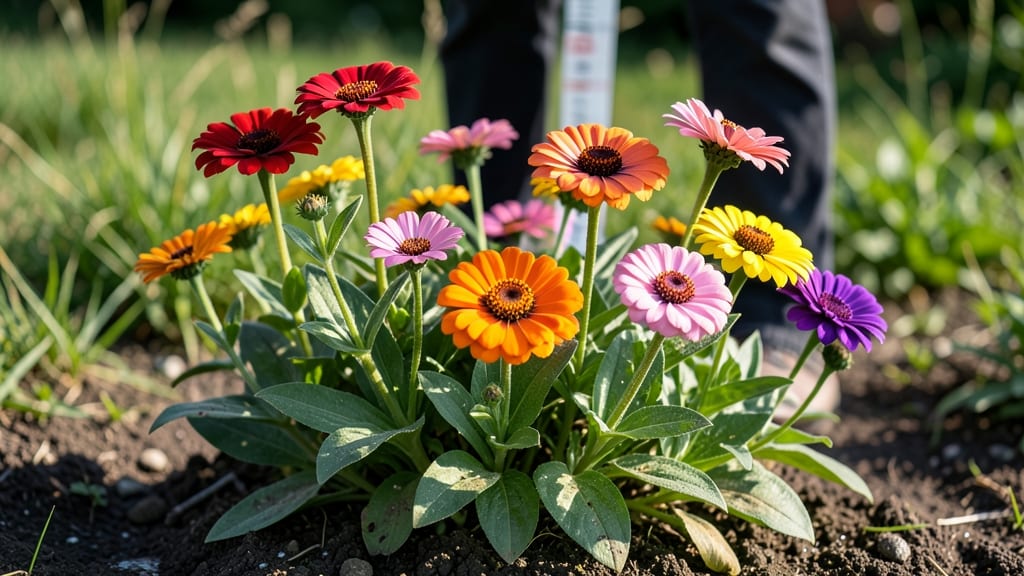
If you’ve ever wondered how tall do zinnia flowers grow, you’re not alone—this question shapes everything from garden layouts to pollinator-friendly designs. These vibrant blooms 🌼 can range from tiny 6-inch dwarfs to towering 4-foot giants, making them incredibly versatile for any space.
The height of your zinnias depends entirely on the variety you choose, with some perfect for containers and others ideal for borders. Whether you’re planning a colorful edge or a cut-flower garden, knowing these height ranges helps you space plants correctly and avoid overcrowding.
Dwarf zinnias stay compact, making them great for window boxes or small pots, while taller varieties create stunning backdrops. I’ll break down the exact heights by type and share tips for controlling growth—so you can design a garden that thrives all season long.
Ready to pick the perfect zinnias for your space? Let’s dive into the varieties and how they’ll transform your garden’s look and function.

Zinnia height ranges by variety: dwarf to Giant flower types
When planning your garden, zinnias offer a stunning height range from compact dwarf varieties to towering giant blooms. Understanding these differences helps you create balanced designs and prevent overcrowding.
Whether you're filling window boxes or adding height to borders, choosing the right variety ensures your zinnias thrive without competing for space.
Zinnia heights typically fall into three categories: dwarf (6-12 inches), medium (1-2 feet), and tall (2-4 feet). Each category serves different purposes—dwarf varieties work beautifully in containers or front borders, while tall types anchor back rows or attract hummingbirds to the upper garden levels.
Let’s explore the specifics so you can pick the perfect zinnias for your space.
| Variety Type | Height Range | Ideal Spacing | Best Uses |
|---|---|---|---|
| Dwarf | 6–12 inches | 6–8 inches apart | Containers, window boxes, front borders |
| Semi-Dwarf | 1–2 feet | 10–12 inches apart | Cut flowers, mid-border plantings |
| Standard | 2–3 feet | 12–18 inches apart | Back borders, pollinator gardens |
| Giant | 3–4 feet | 18–24 inches apart | Cut flower arrangements, focal points |
For dwarf zinnias, varieties like 'Thumbelina' and 'Crystal Pink' stay under 12 inches tall, making them ideal for container gardens or window boxes. These compact plants thrive in small spaces and produce abundant blooms perfect for cutting or pollinator gardens.
Plant them 6–8 inches apart to avoid overcrowding and ensure air circulation.
If you’re aiming for medium-height zinnias, consider 'Benary’s Giant' series or 'Profusion' varieties, which reach 1–2 feet tall. These work well in mid-border plantings or as cut flowers for arrangements.
Space them 10–12 inches apart to allow stems to strengthen without leaning. Their versatile height makes them great companions for salvias or marigolds.
Tall zinnias like 'State Fair' or 'Double Envy' can grow 3–4 feet tall, providing dramatic vertical interest in your garden. These varieties need staking or support to prevent flopping, especially in humid climates.
Plant them 18–24 inches apart to give roots room to spread and stems to grow sturdy. They’re perfect for back borders or as focal points in pollinator gardens.
When selecting zinnias, consider your garden’s layout and sunlight. All varieties thrive in full sun (6+ hours daily), but taller types may need extra support in windy areas. For container gardening, dwarf or semi-dwarf varieties excel, while ground plantings benefit from taller types to create layers.
Always check seed packets for specific variety notes, as some may grow taller in ideal conditions.
Pro tip: Mix heights in your garden for a natural, layered look. Place dwarf zinnias in front, medium varieties in the middle, and tall types in back.
This creates depth and draws the eye through your garden. Pair tall zinnias with sturdy companions like sunflowers or hollyhocks for added height contrast.
Remember, zinnias are annuals, so their height is determined by the variety and growing conditions. Over-fertilizing can lead to taller but weaker stems, while deadheading spent blooms encourages bushier growth.
With the right spacing and care, your zinnias will reach their full potential height and reward you with months of vibrant color.
Whether you’re a beginner or a seasoned gardener, choosing zinnias by height ensures your garden stays organized, beautiful, and functional. Now that you know the height ranges and spacing tips, it’s time to pick your favorites and start planting! 🌼
How zinnia height affects garden design and pollinator attraction
Understanding how tall do zinnia flowers grow transforms your garden from a random collection of plants into a thoughtfully layered masterpiece. Tall zinnias like 'Benary's Giant' (up to 4 feet) create dramatic backdrops, while dwarf varieties such as 'Thumbelina' (just 6-12 inches) add delicate texture to borders.
This height variation lets you design vertical interest that attracts pollinators at every level—bees love the lower blooms, while butterflies flutter around the taller stems.
For pollinator gardens, I recommend mixing 3 height tiers: low (6-12"), medium (18-24"), and tall (30"+). This creates a continuous nectar source from ground level to eye level, keeping beneficial insects like monarchs and honeybees visiting longer.
The key is spacing: give taller varieties 12-18 inches between plants to prevent competition while allowing air circulation.
When designing borders, I always start with the tallest zinnias at the back, then layer medium varieties in the middle, and tuck dwarf types along the front edge. This creates a natural staircase that guides the eye while providing continuous blooms for pollinators.
For example, plant 'State Supreme' (36") behind 'Crystal' series (12-18"), with 'Lilliput' (6-10") along the pathway.
Staking becomes essential for varieties over 2 feet tall, especially in windy areas. Use soft plant ties or bamboo stakes to support stems without damaging them. I avoid metal stakes—they can heat up and burn stems in full sun.
For extra stability, bury stakes 6 inches deep and tie stems at two points (base and midpoint) for wind resistance.
Companion planting boosts both beauty and pollinator activity. Pair tall zinnias with sunflowers or coneflowers for vertical contrast, while dwarf types thrive near marigolds or nasturtiums. The secret is choosing companions with complementary water needs—zinnias prefer moderate moisture, so avoid pairing with thirsty plants like impatiens.
Pro tip: Deadhead spent blooms regularly to encourage continuous flowering and prevent leggy growth. This keeps your zinnias compact and bushy, perfect for both cut arrangements and pollinator gardens. With the right height mix, your garden will buzz with activity from dawn till dusk! 🌼