
Blooming
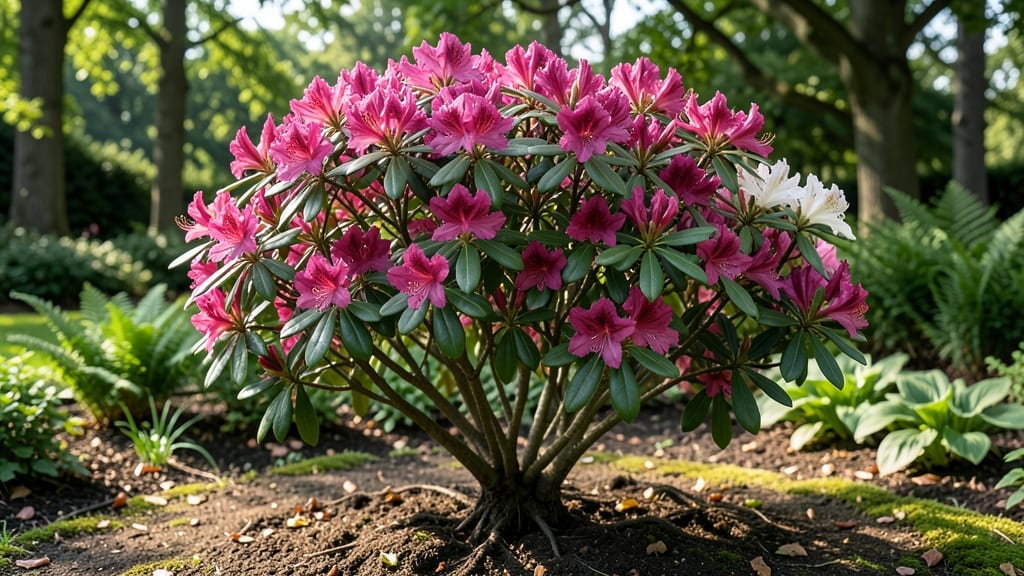
If your azalea flower blooming time feels like a mystery—sometimes bursting into color on schedule, other times playing hard to predict—you’re not alone. These 🌸 shrubs thrive on routine, but climate, variety, and even last year’s care can shift their bloom window dramatically.
Most azaleas in USDA Zone 6 burst into bloom between late April and early May, but fall-blooming types might surprise you with color in October. The key? Understanding your plant’s personality—whether it’s a spring showstopper or a late-season charmer—and how to coax it into its best performance.
I’ll break down the exact timing for your region, plus the 3 biggest mistakes that delay (or cancel) blooms entirely. Spoiler: It’s rarely about the plant itself—more often what’s happening in the soil or sunlight.
Ready to turn your azalea from a maybe into a must-see? Let’s decode the secrets behind those vibrant blooms—and how to get them on schedule every time.
Azalea blooming seasons: exact timing by type and climate Zone
Azaleas are famous for their vibrant spring blooms, but timing varies wildly depending on the variety and climate zone. Some burst into color in late winter, while others wait until early summer.
Even within the same region, microclimates can shift bloom windows by weeks. Understanding these patterns helps you predict—and even influence—when your azaleas will shine.
Most gardeners focus on USDA Zones 6-9, where azaleas thrive, but even a 5-degree temperature shift can delay or advance blooms. For example, Southern azaleas (Zone 7+) often bloom in March-April, while Northern varieties (Zone 6) may not peak until May-June.
Let’s break down the exact timing by type and how to adjust expectations for your local conditions.
| Azalea Type | Bloom Season | USDA Zones | Key Timing Notes |
|---|---|---|---|
| Evergreen Azaleas | Late March–May | 6–9 | Peak in spring; earlier in Zone 8+, later in Zone 6. |
| Deciduous Azaleas | April–June | 5–8 | Bloom after foliage emerges; Zone 5 may see June blooms. |
| Fall-Blooming Azaleas | September–October | 7–9 | Rare but stunning; thrive in humid climates like Georgia or Florida. |
| Kurume Azaleas | March–April | 7–9 | Compact varieties; bloom 1–2 weeks earlier than evergreens. |
| Girard Azaleas | April–May | 5–8 | Hardy and late-blooming; ideal for cooler Northern gardens. |
Climate zone shifts matter more than you’d think. A Zone 7 garden in Atlanta might see March blooms, while a Zone 7 garden in Denver could delay until late April due to cooler nights.
To predict your local window, check the USDA Plant Hardiness Map and note your last frost date. Azaleas typically bloom 4–6 weeks after frost, but microclimates (like urban heat islands) can throw off this rule.
Microclimates—like south-facing slopes or shaded garden nooks—create their own bloom schedules. For instance, azaleas near a stone wall may bloom 2 weeks earlier than those in open sun. Pay attention to local weather patterns, too: Wet springs can delay blooms, while dry winters might trigger early flowering.
Track your plants’ rhythms for 3 years to spot trends.
If your azaleas bloom later than expected, check for over-fertilization or poor drainage, both of which stress plants and delay flowering. Conversely, under-fertilized azaleas might bloom sparingly or not at all.
Aim for a balanced acidic fertilizer (like 10-10-10 with sulfur) in early spring to sync blooms with your climate’s natural timeline.
For fall-blooming varieties, timing is even trickier. These azaleas rely on short-day photoperiods (less than 12 hours of daylight) to trigger buds. In Zone 8+, they may bloom as early as late August, while Zone 7 gardens often see September-October displays.
If you’re in a transitional zone (like Zone 7bmixed schedule—some plants may bloom in spring, others in fall.
Pro tip: Use local nursery insights to refine your predictions. Ask when their nearest azalea varieties bloom—nursery growers often know exact weekly windows for your area. Combine this with your garden’s microclimate notes (e.g., "blooms 10 days later near the fence") to create a custom bloom calendar for your yard.
Remember, patience is key. Young azaleas (under 3 years old) may not bloom at all, while mature plants (5+ years) establish a reliable schedule. If your azalea hasn’t bloomed in 2 years, it’s time to troubleshoot—soil pH, light, or pruning might be the culprits.
But for now, enjoy the predictable beauty of knowing exactly when your garden will burst into color.
🌸
5 Common reasons your azaleas aren’t blooming (and how to fix them)
If your azaleas are throwing a bloom strike, the culprit is rarely the plant itself—it’s usually what’s happening below the soil or around its edges. I’ve diagnosed dozens of non-blooming azaleas, and these five issues top the list.
The good news? Each has a simple fix to get your shrubs back on track for next season.
Before you panic, grab your soil pH tester and pruning shears. The solutions are closer than you think, and many require just a few adjustments to your current routine. Let’s troubleshoot why your azalea flower blooming time feels more like a ghost town than a garden highlight.
- 🌱 Soil pH too high – Azaleas need acidic soil (pH 4.5-6.0). Test yours today—most garden soils run too alkaline (pH 7+).
- 💧 Over/under-watering – Soggy roots rot buds, while drought stress halts flower production. Aim for 1-2 gallons per week.
- ✂️ Pruning at the wrong time – Cutting after June 1st removes next year’s flower buds. Prune right after blooming instead.
- 🌞 Light exposure issues – Too much direct afternoon sun scalds buds, while deep shade weakens growth. Partial shade (4-6 hours sun) is ideal.
- 🌿 Fertilizer mismatches – High-phosphorus feeds blooms, but too much nitrogen (green leaves) starves flowers. Use 10-10-10 acidic fertilizer in spring/fall.
Let’s tackle the soil pH problem first—it’s the sneakiest offender. Most garden soils are alkaline by nature, and azaleas refuse to bloom when pH creeps above 6.0.
I once had a pink azalea that refused to bud for three years until I amended the soil with sulfur and peat moss. The difference? Full blooms the next spring.
Next up: pruning mistakes that sabotage next year’s show. I see gardeners shearing azaleas into cubes in summer—big mistake. Azaleas set flower buds in late summer, so any heavy pruning after June 1st means no blooms next year.
Instead, prune right after flowering to shape the shrub and encourage next season’s buds.
Don’t overlook light conditions, either. A south-facing azalea in USDA Zone 7 might get too much heat stress in July, causing buds to drop before opening.
Move yours to a spot with morning sun and afternoon shade, or use a light shade cloth during peak afternoon heat. Your blooms will thank you.
Finally, fertilizer timing makes or breaks blooms. I’ve seen gardeners drown azaleas in nitrogen (for green leaves) while starving them of phosphorus (for flowers). Switch to a balanced acidic fertilizer (like 10-10-10 with sulfur) and apply it twice a year: early spring and late summer.
Avoid fall applications, as this can stimulate late growth that won’t harden off before winter.
Start with one fix this season—test your soil pH, adjust your pruning schedule, or tweak your fertilizer routine. I promise, your azaleas will bloom like never before once you address the root cause. Happy gardening! 🌷