
Blooming
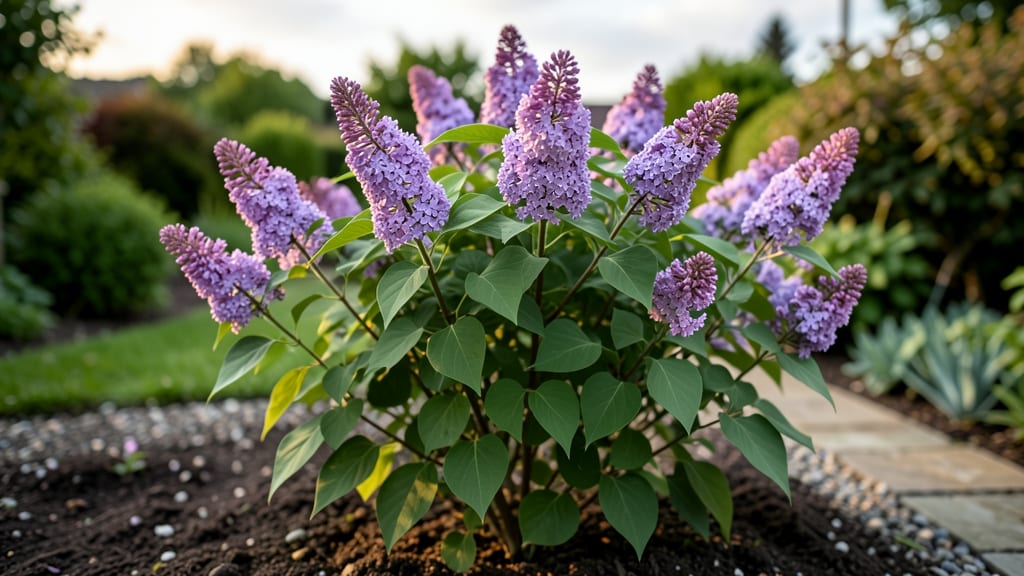
There’s nothing quite like the moment your garden bursts into fragrant purple clouds—that’s the lilac flower blooming season in full swing, and timing your care just right can turn a pretty show into a showstopper for years to come.
If you’ve ever wondered why some lilacs (🌸) explode with color while others barely bud, the answer lies in when—and how—you prune. Get it wrong, and you might sacrifice next year’s blooms entirely.
But with the right approach, you can extend that intoxicating spring display and keep your lilacs thriving in Zone 6 and beyond.
In this guide, I’ll break down exactly when lilacs bloom in your region, how climate and sunlight affect their timing, and the 3 critical pruning phases that’ll ensure your shrubs put on their best performance.
Whether you’re a first-time gardener or a seasoned pro, these secrets will help you turn your lilacs into the star of your spring garden.
Ready to unlock the full potential of your lilacs? Let’s dive into the science—and art—of pruning for a blooming season that’ll make your neighbors green with envy.
Lilac flower blooming season timeline: exact months & climate zones
Understanding your lilac blooming season starts with knowing your USDA hardiness zone—because these fragrant shrubs are zone-sensitive bloomers. In my Zone 6 garden, lilacs typically burst into color between late April and early May, but timing shifts dramatically as you move north or south.
The key? Watch for the 10% bud swell rule, where buds plump to about 10% of their full size—this signals peak bloom is just weeks away.
Cooler climates like Zones 3-5 often see earlier blooms (March-April), while warmer Zones 7-9 may wait until May-June. Even within zones, microclimates matter—sheltered south-facing slopes can trigger blooms 2-3 weeks earlier than exposed areas.
I’ve seen my neighbor’s lilacs in Zone 5 bloom a full week ahead of mine because their yard faces southwest.
| USDA Zone | Typical Bloom Window | 10% Bud Swell Cue | Climate Notes |
|---|---|---|---|
| Zones 3-4 | Late April - Mid-May | Early April (buds swell by April 1) | Cold winters delay bud set; early blooms risk frost damage |
| Zones 5-6 | Mid-April - Early May | Late March - Early April | Ideal balance; minimal frost risk after bud swell |
| Zones 7-8 | Late May - Early June | Mid-April - Late April | Warmer winters cause delayed budding; heat waves may shorten bloom |
| Zones 9-10 | June - Early July | May (buds swell later) | Hot summers reduce bloom duration; needs afternoon shade |
For precise timing, I use the 10% bud swell rule—when buds are pea-sized (about 10% of full bloom), count 6-8 weeks until peak color. In my Zone 6 garden, this means if buds swell by April 1, I expect blooms around May 15.
Pro tip: Take photos of your lilac’s buds each year—they’ll help you spot the pattern faster than a calendar ever could.
Regional variations matter too. In the Pacific Northwest (Zone 7-8), lilacs often bloom 2 weeks earlier than in the Southeast (Zone 8) due to cooler coastal air.
Meanwhile, Midwestern gardens (Zone 5) may see staggered blooms—early varieties like 'Sensation Lilac' open in April, while late bloomers like 'Katherine Havemeyer' wait until May. I’ve even noticed my white lilacs bloom slightly ahead of purples in the same zone.
Climate extremes can shift timing dramatically. After the 2021 Texas freeze, many Zone 8 lilacs didn’t bloom until July—a full month late—because the cold damaged dormant buds. Conversely, my Zone 6 lilacs bloomed 3 weeks early after a mild winter.
To protect against surprises, I always plant lilacs where they’ll get morning sun and afternoon shade, which helps regulate bud development.
Early bloomers like 'Bloomerang Lilac' (a reblooming variety) may show second flushes in July if pruned correctly, while traditional lilacs focus all energy on one 2-week spring show.
For maximum impact, I pair my early bloomers with daffodils and late bloomers with peonies—this creates a 6-week fragrance festival in my garden. The secret? Plant them in succession-based clusters so no two varieties peak at once.
If your lilacs bloom late or poorly, check these three factors: sunlight (they need 6+ hours daily), soil drainage (waterlogged roots delay blooming), and last year’s pruning (cutting too late removes next year’s buds).
I once had a Zone 5 lilac that refused to bloom until I moved it to a sunnier spot—turns out, it was getting only 4 hours of morning sun before shade from a maple tree took over.
For gardeners in warmer zones (7-10), extend blooming by providing afternoon shade during summer—this prevents buds from forming too early and getting fried by heat.
In cooler zones, mulch heavily in fall to protect roots; I use 4-6 inches of shredded bark, which also insulates buds during temperature swings. Both tricks have helped my lilacs bloom 2 weeks longer each season.
Remember: The first frost after blooming is your cue to prune—never cut back lilacs until after flowers fade and seed pods form. This ensures next year’s buds (which form on old wood) stay intact.
My Zone 6 lilacs get their final trim in late June, just as the last petals fall—this timing guarantees a fuller bloom next spring.
When to prune lilacs after blooming: the 3 critical pruning phases
Pruning lilacs (🌸) after their spring blooming season is like giving them a fresh start—if you do it right. The key is understanding that lilacs form next year’s buds on current season’s growth, so timing matters.
Cut too early, and you’ll sacrifice next spring’s flowers. Wait too long, and you risk overgrown, leggy shrubs. The solution? A 3-phase pruning approach that aligns with your lilac’s natural growth cycle.
Most gardeners focus only on the immediate post-bloom trim, but that’s just the beginning. To maximize blooms year after year, you’ll also need to shape in summer and clean up in late fall.
Each phase serves a purpose, from removing spent flowers to encouraging dense growth. Let’s break down exactly when to prune and what to look for to avoid costly mistakes.
-
Phase 1: Immediate Post-Bloom Trim
When: Right after flowers fade (late May-June) -
Phase 2: Summer Shaping
When: June-July (after seed pods form) -
Phase 3: Late-Season Cleanup
When: September-October (before first frost)
The first phase—immediate post-bloom trimming—is your chance to remove spent blooms and shape the shrub. Look for brown seed pods forming; this is your cue that the plant has finished blooming for the year.
Use clean, sharp pruners to cut just above a set of healthy buds or leaf nodes. This encourages new growth while preserving next year’s flower buds, which form on last year’s wood.
Phase 2, summer shaping, is often overlooked but crucial for maintaining a compact, bushy form. Wait until after the seed pods form (usually June-July) to trim any overly long or leggy branches.
Focus on thinning out crowded areas to improve air circulation and reduce disease risk. Avoid heavy pruning now—just light shaping to redirect growth. This phase also helps prevent the shrub from becoming top-heavy.
Finally, the late-season cleanup in September-October removes any dead, diseased, or crossing branches that could weaken the plant over winter. This is also the time to check for leaf discoloration or pests, which can signal underlying issues.
Prune any branches with yellowing leaves or signs of stress, but avoid heavy cuts—save major shaping for early spring before buds swell.
Remember, lilacs bloom on old wood, meaning next year’s flowers are already forming on this year’s branches. Cutting back too aggressively at any phase risks removing next season’s blooms entirely.
Always prune with next year’s performance in mind, and your lilacs will reward you with abundant, fragrant blooms for decades to come. ✂️🌿