
Flowers
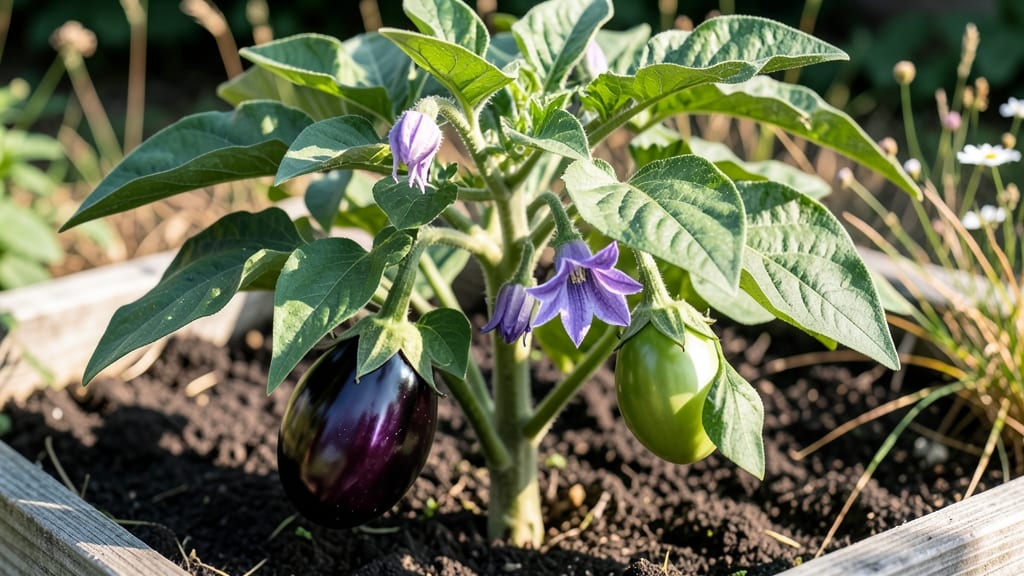
Watching your eggplant flower buds drop before they bloom can feel like watching your harvest disappear right before your eyes. This frustrating cycle happens more often than you'd think, and without the right care, your plants might just give up on producing those prized 🍆 fruits.
But here's the good news: understanding why this happens is the first step to turning things around. Whether it's temperature swings, improper watering, or even nutrient imbalances, I’ve seen how small adjustments can make a huge difference in bud retention.
Let me show you exactly what’s causing those buds to fall—and how to keep them right where they belong.
From hand-pollination tricks to soil conditions that support strong growth, we’ll cover everything you need to know. You’ll discover proven strategies that work in Zone 6a gardens and beyond, so you can finally enjoy a bountiful eggplant harvest instead of empty vines.
Ready to save your buds? Let’s dive into the science and simple fixes that’ll have your plants thriving—and your kitchen table full of homegrown eggplants—by next season.
Top 5 reasons eggplant flower buds fall off (and how to fix them)
Eggplant flower buds dropping before they bloom is one of the most frustrating issues gardeners face. These delicate buds require perfect conditions to develop into fruit, and even minor stress can trigger them to fall off. Understanding the root causes is your first step toward saving your harvest.
Eggplants are sensitive to environmental fluctuations, and their buds often drop due to temperature swings, nutrient imbalances, or poor pollination. Without intervention, you could lose up to 70% of potential fruit. The good news? Most issues are preventable with targeted fixes.
🌱 5 Key Causes & Solutions
-
1. Temperature Stress
Eggplants thrive at 70-85°F. Extreme heat (90°F+) or cold (55°F-) causes buds to abort. -
2. Watering Issues
Inconsistent moisture (drought stress or overwatering) disrupts nutrient uptake, leading to bud drop. -
3. Nutrient Deficiencies
Lack of phosphorus or calcium weakens buds. Test soil and amend with bone meal or calcium nitrate. -
4. Pest Damage
Sap-sucking pests like aphids or whiteflies stress plants, causing buds to fall prematurely. -
5. Poor Pollination
Eggplants rely on bees or wind for pollination. Hand-pollinate if pollinators are scarce.
Let’s tackle the most common culprits—starting with temperature swings, which are the #1 reason for bud drop. Eggplants are tropical plants that hate sudden temperature changes. If your mornings are cool (60°F) but afternoons hit 90°F+, your buds will struggle to stay attached.
To fix this, create a microclimate for your eggplants. Use shade cloth during peak heat (30-50% shade reduces stress) or plant them near tall crops like corn or sunflowers to block harsh afternoon sun. Mulching with straw or black plastic also helps regulate soil temperature.
Next, watering inconsistencies are a close second. Eggplants need deep, consistent moisture—never let the soil dry out completely, but avoid soggy conditions too. I water mine every 2-3 days in summer, delivering 1-2 gallons per plant at the base.
Drip irrigation is ideal because it delivers water slowly and evenly.
If your soil lacks phosphorus or calcium, your eggplants will struggle to develop strong buds. Test your soil using a home kit or send a sample to your local extension office.
If deficiencies are found, amend with bone meal (for phosphorus) or crushed eggshells (for calcium). Apply these 2-3 weeks before flowering for best results.
Pests like aphids and whiteflies can wreak havoc on eggplant buds by sucking sap and transmitting viruses. Inspect your plants weekly, especially on the undersides of leaves.
A strong spray of neem oil or insecticidal soap can knock out infestations without harming beneficial insects. For severe cases, introduce ladybugs or lacewings as natural predators.
Finally, poor pollination is a silent killer of eggplant buds. If bees are scarce (common in urban gardens or early spring), you’ll need to hand-pollinate.
Use a small paintbrush to transfer pollen from the male flowers (the ones with long stems) to the female flowers (the ones with tiny eggplants forming at the base). Do this early in the morning when flowers are fresh.
By addressing these five issues, you’ll give your eggplants the best chance to retain buds and produce a bountiful harvest. Start with temperature control and consistent watering, then move on to nutrients and pollination. Your future eggplant harvest will thank you!
How to prevent eggplant flower bud drop: proven gardening tips
Eggplant flower buds are delicate, and even small changes in your care routine can cause them to drop before blooming. The key to preventing this is understanding the specific needs of your plants at this critical stage.
I’ve found that consistent moisture, stable temperatures, and proper pollination are the three pillars of bud retention. Without these, your plants will struggle to hold onto their buds, leaving you with fewer fruits to harvest.
One of the most common mistakes I see is inconsistent watering. Eggplants need deep, even watering—especially during bud formation. Skipping watering days or letting the soil dry out completely can shock the plant and cause buds to fall.
Even worse, overwatering can lead to root stress, which also triggers bud drop. The solution? A balanced watering schedule that keeps the soil moist but never soggy.
💡 Pro Tip: Water eggplant plants at the base in the morning to reduce evaporation and fungal risks. Avoid wetting the leaves, as this can invite diseases like powdery mildew, which weakens buds.
Use a soaker hose or drip irrigation to deliver water directly to the roots, ensuring consistent moisture without stressing the plant.
Temperature swings are another major culprit behind bud drop. Eggplants thrive in warm, stable conditions, ideally between 70-85°F. If temperatures dip below 60°F or spike above 90°F, buds will drop like they’re on a conveyor belt to nowhere.
To protect your plants, choose a sunny, sheltered spot in your garden, and consider using shade cloth during heatwaves.
Hand-pollination can also work wonders if your eggplants aren’t getting enough natural pollinators. Simply use a soft paintbrush or cotton swab to gently transfer pollen from the male (longer stamens) to the female (smaller bud at the base of the flower) parts.
Do this in the morning when flowers are open, and repeat every 2-3 days for best results. This method is especially helpful in greenhouses or areas with few bees.
Pests like aphids and spider mites can also stress your plants, leading to bud drop. Keep an eye out for yellowing leaves or sticky residue on buds—a telltale sign of an infestation.
Combat pests organically with neem oil or insecticidal soap, applied in the early evening to avoid harming beneficial pollinators. Regularly inspect your plants, and act fast at the first sign of trouble.
Finally, ensure your eggplants are getting the right nutrients. A balanced fertilizer with slightly more phosphorus (like a 5-10-10 blend) encourages strong flower and fruit development. Apply it every 4-6 weeks during the growing season, but avoid over-fertilizing, which can lead to excessive foliage at the expense of buds.
With these proven strategies, you’ll give your eggplant buds the best chance to thrive. Start with consistent watering, protect them from temperature extremes, and give them a little extra help with hand-pollination—your future harvest will thank you! 🌱