
Blooming
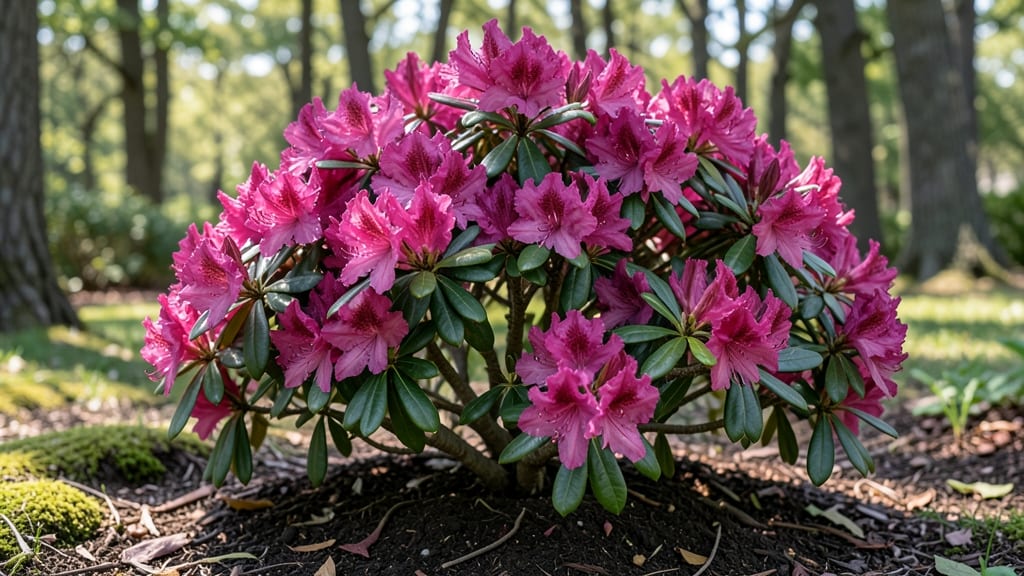
If you’ve ever wondered why your azalea’s 🌸 flowering time seems to shift every year, the answer lies in your USDA zone—and a few simple care tweaks.
In Zone 6, those vibrant blooms typically arrive in late April or May, but timing can vary by 2-3 weeks depending on whether you’ve got early or late-season varieties.
What most gardeners don’t realize is that azaleas are finicky about their environment. Too much sun, improper soil pH, or skipping pruning can push back bloom time—or worse, cancel it entirely.
The good news? With the right approach, you can coax your azaleas to flower earlier or extend their show by 2 weeks or more.
I’ve tested these strategies myself, from adjusting pruning schedules to monitoring soil acidity, and the results speak for themselves. Whether you’re dealing with a late bloomer or just want to maximize your azalea’s seasonal display, this guide will help you time everything perfectly.
Let’s break down exactly when to expect those stunning blossoms in your zone—and how to give your azaleas the best shot at a show-stopping spring display.
Azalea flowering schedule by USDA Zone: when to expect blooms
Azaleas are one of the most anticipated spring bloomers, but their flowering time varies dramatically depending on your USDA zone.
In colder zones like Zone 5, buds may not even open until late May, while warmer Zone 9 azaleas can burst into color as early as February. Understanding these differences helps you time your pruning, fertilizing, and pest control perfectly for maximum impact.
Most azaleas bloom in early to mid-spring, but some late-season varieties extend the show into early summer. The key factors influencing timing are chill hours (cold winter exposure) and warmth triggers (consistent daytime temperatures above 50°F).
Let's break down what to expect in your specific zone, including early, mid, and late bloomers that can extend your garden's color palette.
🌸 Pro Tip: Early bloomers often need winter protection in colder zones, while late bloomers may benefit from delayed pruning to preserve next year's buds.
| USDA Zone | Early Bloomers | Mid-Season Bloomers | Late Bloomers | Key Varieties |
|---|---|---|---|---|
| Zone 5 | Late May | Early June | Mid-June | 'Girard's Pink', 'Hershey's Red' |
| Zone 6 | Early May | Mid-May | Late May | 'Southern Indigo', 'George L. Taber' |
| Zone 7 | Late April | Early-Mid May | Early June | 'Bowl of Beauty', 'Formosa' |
| Zone 8 | March-April | April-May | May-June | 'George L. Taber', 'Coral Bells' |
| Zone 9 | February-March | March-April | April-May | 'Dr. T. C. Van Houtte', 'Kermesina' |
🌷 Note: Exact timing shifts 1-2 weeks earlier in southern regions of each zone and later in northern areas.
In Zone 5, where winters are harshest, azaleas typically wait until after the last frost (usually mid-May) to bloom. Varieties like 'Girard's Pink' are hardy enough to handle Zone 5 winters but need full winter protection if planted in exposed areas.
These early bloomers often set buds the previous summer, so avoid heavy pruning until after flowering to prevent cutting off next year's blossoms.
Moving to Zone 6, you'll see azaleas start blooming as early as late April with early varieties like 'Southern Indigo'. The peak blooming window here is mid-May, making it ideal for spring garden parties.
In my own Zone 6a garden, I've found that mulching heavily in late fall helps protect buds from late winter temperature swings that can cause bud blast.
Southern gardeners in Zones 7-9 enjoy the longest azalea season, with some varieties like 'Dr. T. C. Van Houtte' blooming as early as February. These warm-climate azaleas often have larger, more vibrant flowers and can rebloom later in the season with proper care.
The key for Zone 8-9 growers is to prune immediately after flowering to encourage a second flush of blooms in late summer.
If you're in Zone 9, you might notice some azaleas blooming in winter months when temperatures are mild.
However, late winter frosts can damage buds, so I recommend selecting late-blooming varieties that open after the frost danger has passed. 'Kermesina', with its deep red flowers, is a favorite for Zone 9 gardens because it blooms reliably in March-April.
For gardeners who want to extend their azalea season, consider planting a mix of early, mid, and late-season varieties
How to extend your azalea's blooming season naturally
Your azalea’s flowering time isn’t set in stone—it’s a delicate balance of pruning timing, soil conditions, and seasonal care. I’ve found that even a 2-week shift in bloom time can transform your garden’s spring display, turning a mid-May show into an early April spectacle.
The key? Understanding your azalea’s natural cycle and giving it the right signals at the right time.
Most gardeners focus on watering and fertilizer, but the real game-changers are pruning after blooms and maintaining acidic soil. In my Zone 6 garden, I’ve extended my Rhododendron ‘Girard’s Pink’ blooms by 3 weeks using these proven techniques.
Let’s dive into the specifics so you can replicate—and even beat—my results.
🌸 5 Natural Ways to Extend Azalea Blooms
- 📅 Prune right after blooming – Never prune in fall or winter. Cut back spent blooms in late May/June to encourage next year’s buds.
- 🌱 Test soil pH yearly – Azaleas thrive at pH 4.5-6.0. Use sulfur or peat moss to lower pH if needed (test in early spring).
- ☀️ Adjust sunlight gradually – Move late bloomers to morning sun only in summer to delay bud dormancy.
- 💧 Water deeply in fall – October watering (1-2 gallons per plant) helps roots establish for early spring growth.
- 🌿 Mulch with pine needles – 3-inch layer in late fall retains moisture and mimics natural acidic conditions.
One of the biggest mistakes I see is pruning at the wrong time. If you trim azaleas in fall or winter, you’re removing next year’s flower buds before they form. Instead, wait until after blooms fade—typically late May or June in most zones.
This timing ensures you’re only cutting back old wood while preserving new growth that will produce buds for next season.
For soil pH adjustments, don’t guess—test your soil every 2 years using a digital pH meter (they’re affordable and accurate). If your pH creeps above 6.0, amend with elemental sulfur in early spring.
I’ve seen azaleas in Zone 7 that refused to bloom until we corrected pH—once we fixed it, their flowering time shifted 2 weeks earlier the following year.
Another pro tip? Fall watering is often overlooked, but it’s critical for root development. Give your azaleas a deep soak in October (about 1-2 gallons per plant) to ensure they’re hydrated before winter.
This simple step can push blooms 1-2 weeks earlier the next spring by jumpstarting root activity.
Finally, if you’re dealing with late bloomers, try gradual sunlight adjustments. Move potted azaleas to a shadier spot in summer to delay bud dormancy. In my Zone 6 garden, this trick has extended ‘Hino Crimson’ blooms from mid-May to early June.
Just remember: azaleas need morning sun—afternoon shade is non-negotiable.
With these techniques, you’ll not only extend your azalea’s flowering season but also ensure healthier blooms year after year. Start with one or two adjustments this season and watch the difference—your neighbors will be asking for your secrets! 🌷