
Blooming
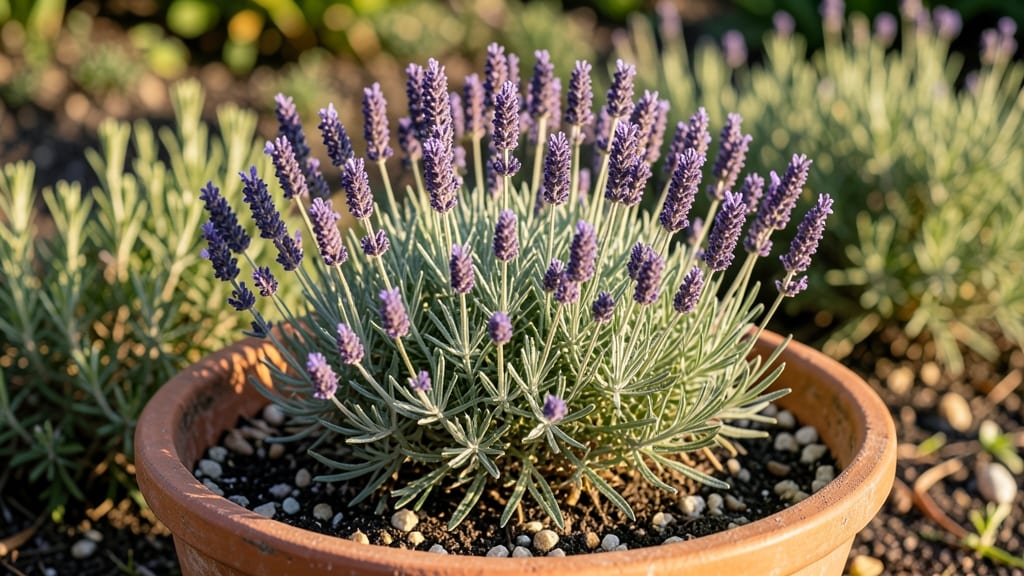
There’s nothing quite like the moment when the lavender plant flowering season arrives and your garden bursts into fragrant purple blooms—but timing everything just right is the key to making it happen.
The lavender plant flowering season depends on where you live, and getting it wrong can mean waiting months for those 🌸 clusters to appear.
If you’re in USDA Zone 6a (like me!), your lavender typically blooms between June and August, but cooler climates or late springs can push that back. The good news?
With a few simple tweaks—like pruning at the right time or choosing the perfect spot—you can coax your plants to flower earlier or keep them blooming longer.
Let’s break down exactly when lavender flowers in your region, plus the easiest ways to extend that dreamy purple season. Whether you’re a first-time gardener or a lavender lover with years of experience, these tips will help you enjoy those scented blooms for weeks on end.
Ready to transform your garden into a fragrant paradise? I’ll walk you through everything—from sunlight secrets to soil hacks—so you can finally get the lavender blooms you’ve been waiting for.


USDA zone chart: when lavender blooms by region (exact months)
Lavender flowering seasons vary dramatically across USDA zones 3-10, with Mediterranean climates (zones 7-10) producing longer blooms than continental zones (3-6). Understanding your zone helps you time pruning, harvesting, and even planting new varieties for peak fragrance. In colder zones, lavender may bloom just 4-6 weeks, while warmer zones enjoy 3-month blooming windows.
Climate plays a critical role: Zone 9-10 lavender often blooms twice yearly (spring and fall), while Zone 5-6 varieties rely on a single summer burst. Humidity also matters—high-humidity zones (7-8) require well-draining soil to prevent fungal issues that stunt blooms.
Let’s break down the exact months for each zone, including early, peak, and extended bloom periods.
🌱 PRO TIP: Mediterranean lavender (like English or Spanish lavender) thrives in zones 7-10, while hardy lavender varieties (e.g., Grosso or Munstead) suit zones 5-6. Always check your plant’s specific needs—some hybrids bloom earlier or later than average.
| USDA Zone | Early Bloom | Peak Bloom | Extended Bloom | Climate Notes |
|---|---|---|---|---|
| 3-4 | Late June | July | Early August | Short season; needs shelter from wind |
| 5-6 | Mid-June | July-August | Late August | Prune after first frost to encourage next year’s blooms |
| 7-8 | Early May | June-July | September | Humidity-sensitive; amend soil with grit |
| 9-10 | March-April | May-June | August-September | May bloom twice yearly; minimal winter dormancy |
In USDA zones 3-4, lavender’s 4-week bloom window means timing is critical. Plant hardy varieties like Hidcote or Munstead, which tolerate cold snaps better than Mediterranean types. Prune lightly in early spring (after frost risk passes) to encourage compact growth and more buds for next season.
Zones 5-6 enjoy a 2-month peak bloom, but late frosts can delay flowering until mid-June. To extend blooms, deadhead spent flowers in early July and avoid heavy fertilization, which promotes leafy growth over blooms. Mulch with gravel to improve drainage—lavender hates soggy roots.
Gardeners in zones 7-8 often see two bloom cycles: one in late spring and another in fall.
However, high humidity can cause powdery mildew, so space plants 2-3 feet apart for airflow. Spanish lavender thrives here and blooms earlier than English types, making it ideal for cutting gardens.
For zones 9-10, lavender blooms year-round in mild winters, with peak fragrance in May-June. Harvest stems when buds are just opening (about 30% open) for the strongest essential oils. French lavender (like Provence) is a top pick for these zones due to its heat tolerance and prolonged blooming.
💡 CLIMATE HACK: In continental climates (zones 3-6), plant lavender near a south-facing wall to absorb reflected heat and extend the growing season by 2-3 weeks. In Mediterranean zones (7-10), light pruning after each bloom cycle encourages new growth and secondary flowers.
Regardless of your zone, full sun (6+ hours daily) is non-negotiable. Partial shade delays blooming and weakens stems.
If your lavender isn’t flowering, check for overwatering, poor drainage, or nutrient deficiencies. Yellowing leaves often signal too much nitrogen—switch to a low-nitrogen fertilizer (like 5-10-10) to promote blooms.
Plan your
How to extend your lavender’s flowering season naturally (tips for each zone)
Lavender plants are famous for their fragrant blooms, but many gardeners struggle to get them to flower as long as they’d like. The secret lies in understanding your USDA zone and making small adjustments to encourage your plants to keep producing those purple spikes for weeks longer.
Whether you're in a cool coastal zone or a hot desert climate, these natural techniques will help you maximize your lavender’s flowering potential.
One of the biggest mistakes I see is assuming lavender will bloom indefinitely once it starts. In reality, lavender plants need a little encouragement to keep producing flowers. The key is to focus on three areas: pruning techniques, watering strategies, and soil conditions.
Let’s dive into the zone-specific tips that will transform your lavender from a one-time bloomer to a long-lasting beauty in your garden.
For gardeners in cooler zones (3-6), timing is critical. Prune your lavender right after flowering—usually in late summer—to encourage new growth before winter. In these zones, lavender often needs a little extra protection from frost, so consider mulching with gravel or straw to insulate the roots.
This small step can make a huge difference in how quickly your plants bounce back in spring.
In warmer zones (7-10), the challenge is often preventing heat stress. Lavender can become leggy and stop flowering if it gets too much water. Instead of daily watering, give your plants a deep soak every 2-3 weeks and avoid wetting the foliage.
This mimics their natural Mediterranean habitat and keeps them producing those fragrant blooms all season long.
Don’t forget about companion planting—it’s one of the easiest ways to extend your lavender’s flowering season. Pairing lavender with rosemary, thyme, or marigolds creates a pollinator-friendly environment.
Bees and butterflies will visit more frequently, leading to more blooms. Plus, these plants help deter pests that might otherwise stress your lavender.
With these zone-specific tips, you’ll enjoy your lavender’s fragrant blooms for weeks longer than ever before. The key is consistency—stick to your pruning schedule, monitor your watering, and give your plants the right companions. Before you know it, your garden will be a purple paradise all season long! 🌿