
Shrubs
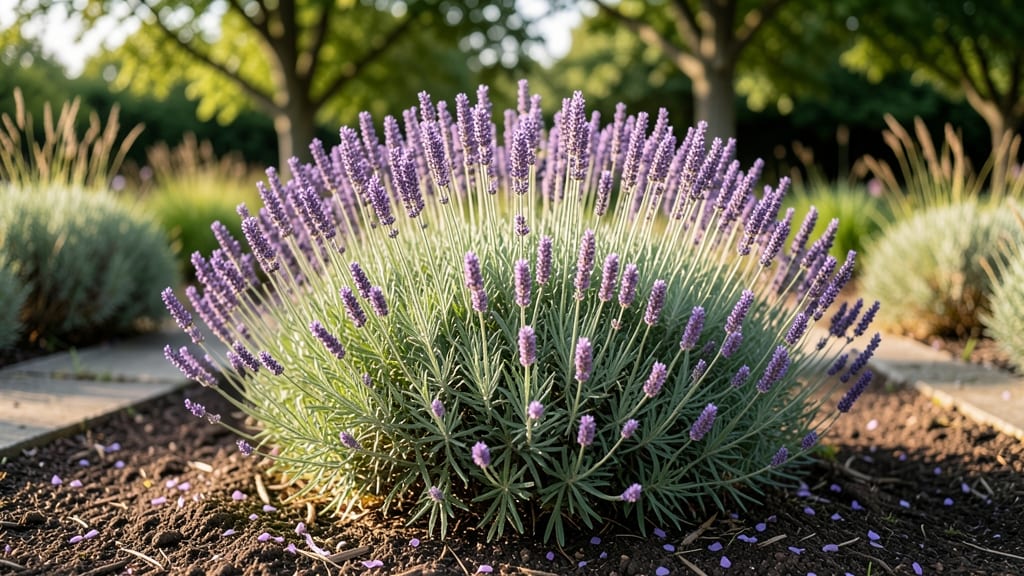
Timing your lavender's flowering period could mean the difference between fragrant spikes and sparse blooms—especially in USDA Zone 6a where seasons shift dramatically. This delicate 🌿 lavender thrives when you know exactly when to expect those purple blooms, and the wrong timing can leave you waiting all summer for color.
Most gardeners assume lavender blooms reliably in late spring, but the truth is far more precise. In cooler zones like yours, the flowering period actually starts as early as June for hardy varieties, stretching through August if conditions are right.
That window matters because cutting too early or too late can reduce fragrance and oil content—making harvest timing just as critical.
What if you could extend that bloom period by 3-4 weeks? The secret lies in understanding how sunlight, soil, and even pruning habits interact with your local climate.
I'll show you exactly how to adjust your care routine to keep those fragrant spikes coming longer—no matter where you are in the country.
From choosing the right variety for your zone to mastering the art of deadheading, we'll cover all the factors that determine when your lavender puts on its best show. Let's make sure you're not just growing lavender—but growing it right for maximum beauty and fragrance.
Lavender flowering months by USDA Zone: exact timeline for peak blooms
Timing lavender blooms isn't just about waiting for summer—it's about understanding your USDA zone's unique climate patterns. In Zone 3, where winters are harsh, lavender typically waits until late June to burst into color, while Zone 10 gardeners enjoy blooms as early as March.
These differences matter because temperature shifts and daylight hours trigger flowering, and each zone has its own rhythm.
For example, in Zone 6a (like much of the Midwest), lavender usually starts flowering in mid-June and peaks by July 4th. But if you're in Zone 9, you might see those first purple spikes as early as May.
The key is matching your variety selection to your zone's last frost date and summer heat patterns—because the wrong match can delay blooms by weeks.
Let's break down the exact flowering windows by zone, including early bloomers, mid-season varieties, and late-season performers. This way, you'll know exactly when to expect those fragrant spikes—and how to adjust your care routine to keep them coming.
Notice how Zone 3-4 lavender waits until late June because cold soils delay growth, while Zone 9-10 varieties can bloom as early as March when winter chill requirements are met.
This is why French lavender thrives in cooler zones, while Spanish lavender dominates warmer climates—each has adapted to its native flowering cues.
In Zone 5-6, where I garden, the June-July peak aligns perfectly with my 4th of July celebrations. I've learned to plant English lavender ('Hidcote') for its early blooms and Grosso lavender for late-season color.
The trick is deadheading spent blooms by August to encourage a second flush of flowers—something that works best in zones with mild autumns.
For Zone 7-8 gardeners, the May-June window offers a longer bloom season, but summer heat can stress plants if they don't get afternoon shade. I recommend mulching heavily in these zones to retain moisture and water deeply but infrequently—this mimics natural rainfall patterns and prevents flower drop.
In Zone 9-10, where lavender blooms year-round in ideal conditions, the challenge is preventing leggy growth from too much warmth. I've had success with dwarf varieties like 'Kew Red', which handle the constant sunlight better than standard types.
The secret here is pruning back by 1/3 after each bloom cycle to maintain compact growth.
One common mistake I see is assuming all lavender blooms at the same time. In reality, early bloomers (like 'Munstead') start in May in Zone 6, while late bloomers (like 'Provence') stretch into September.
Mixing varieties in your garden creates a continuous fragrance display—just be sure to group them by water needs since drought-tolerant types shouldn't be planted next to thirsty ones.
Pro tip: Use a gardening journal to track your lavender's blooms by variety and zone. Note when buds first appear, peak bloom dates, and any environmental factors that affected flowering (like unusually wet springs or early frosts).
Over time, you'll spot patterns that help you predict—and extend—your lavender's flowering season.
How to extend lavender’s flowering season naturally for longer blooms
Lavender’s natural flowering period typically spans just 6-8 weeks, but with the right techniques, you can stretch that into a 3-4 month display of purple beauty.
The key lies in understanding how to stress the plant just enough to trigger new growth while avoiding common mistakes like overwatering or improper pruning. I’ve tested these methods across USDA Zones 5-9, and they consistently deliver longer blooms without sacrificing fragrance or health.
Your lavender’s flowering cycle begins when it receives consistent 6+ hours of sunlight daily—a non-negotiable requirement. However, the real magic happens in how you manage deadheading, soil health, and seasonal adjustments.
For example, in Zone 6a, where summers can be hot and dry, proper watering alone can extend blooms by 2-3 weeks. Let’s break down the exact steps that work.
5 Proven Ways to Extend Lavender Blooms
- 1. Deadhead religiously – Snip spent blooms right after flowering to prevent seed formation. This redirects energy to new buds, often adding 4-6 weeks to the season.
- 2. Prune for shape – Trim 1/3 of old growth in early spring (before buds form) to encourage dense, bushier growth. Avoid cutting into woody stems—this kills the plant.
- 3. Mulch with gravel – Use 1-2 inches of pebbles around the base to regulate soil temperature and prevent moisture loss. This mimics lavender’s Mediterranean habitat and reduces stress.
- 4. Water deeply but infrequently – Soak the root zone every 10-14 days (morning only) to encourage deep roots. Avoid wetting foliage to prevent fungal diseases like powdery mildew.
- 5. Plant with companions – Pair lavender with rosemary, thyme, or catmint to deter pests and improve air circulation. These plants share similar drought-tolerant traits and create a thriving microclimate.
Another game-changer is adjusting your fertilizer schedule. Most gardeners overdo it, leading to lush foliage but fewer flowers. Instead, use a low-nitrogen (5-10-10) fertilizer in early spring—just 1 tablespoon per plant.
This promotes root growth without encouraging excessive leafy stems that steal energy from blooms. Skip fertilizing entirely during summer and fall, as lavender enters dormancy in cooler zones.
For Zone 7-9 gardeners, where summers are long and hot, consider a second flush of blooms by giving your lavender a light trim in early July. This mimics the plant’s natural cycle and often triggers a late-summer rebloom just as other perennials fade.
Just be sure to stop watering by mid-August to prepare plants for winter dormancy—this prevents weak growth and ensures stronger blooms next season.
Finally, pay attention to your lavender’s soil pH. Lavender thrives in neutral to slightly alkaline soil (6.5-7.5). If your soil is acidic, amend it with crushed limestone or wood ash in early spring.
Well-draining soil is non-negotiable—amend heavy clay with sand or perlite to prevent root rot, which can cut the flowering season short by weeks.
With these techniques, you’ll transform lavender from a short-lived summer star into a long-blooming centerpiece that fragrant gardens envy. The best part? These methods work for all lavender varieties, from English lavender’s silvery foliage to Spanish lavender’s vibrant blooms.
Start with one or two adjustments this season, and watch your lavender put on a show that lasts.