
Watering
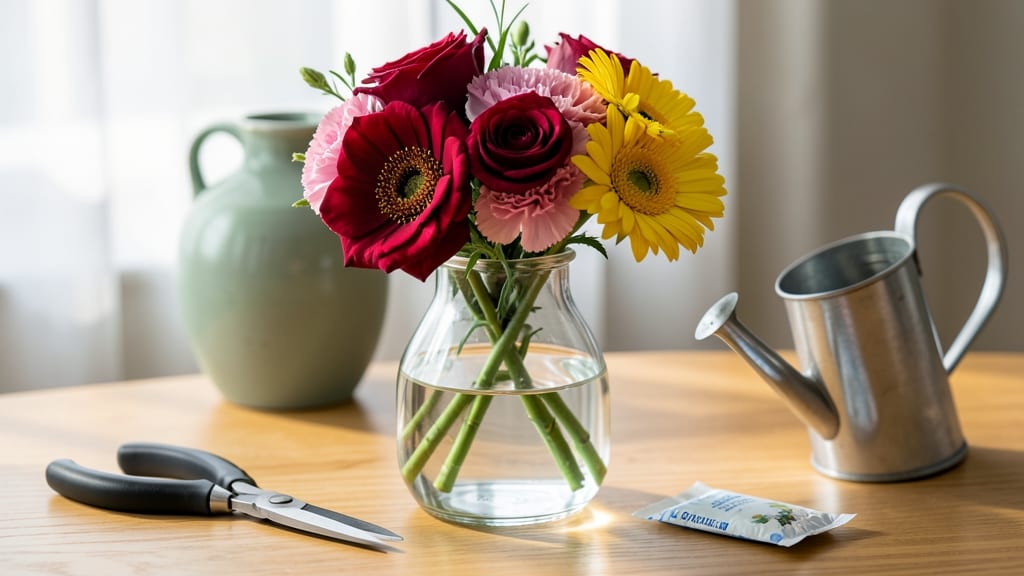
To keep your 🌸 cut flowers thriving in a vase, you might be surprised to learn that the answer to how much water do flowers need in a vase isn’t just "more water"—it’s about the right amount at the right time.
Too little, and they wilt within days; too much, and you risk bacterial growth that cuts their life even shorter. The key lies in understanding how different blooms drink up moisture and when to refresh their supply.
Most cut flowers need about 2 to 3 inches of water in their vase, enough to cover the stems by at least one-third. But here's the trick: change it every 2 to 3 days—or sooner if the water looks cloudy or smells funky.
This simple habit can extend your bouquet's life by nearly a week, saving you money and frustration.
Beyond the basics, factors like flower type, room temperature, and even the vase material play a role. Delicate blooms like roses or tulips need more frequent top-ups, while hardy varieties like sunflowers can go a bit longer.
I'll break down exactly how to tailor your watering routine for the longest-lasting arrangements.
Ready to transform your vase from a temporary display to a long-term centerpiece? Let's dive into the science-backed secrets that'll keep your flowers fresh, vibrant, and beautiful—without the guesswork.


The perfect water amount for different flower types (and when to change it)
Not all flowers drink the same way—some guzzle water like thirsty sunflowers, while others sip delicately like orchids. The perfect water amount depends on the flower type, vase size, and even your home’s humidity.
For most cut blooms, aim for 2 to 3 inches of water in the vase, enough to submerge stems by one-third their length. This ensures hydration without drowning the stems, which can rot or block water absorption.
Delicate flowers like roses, lilies, and peonies need more frequent water changes—every 1 to 2 days—because their stems clog easily with bacteria. Hardy varieties such as sunflowers, chrysanthemums, or snapdragons can stretch their water supply to 3 to 4 days without wilting.
The key is monitoring, not guessing: if the water looks cloudy or smells off, it’s time for a refresh.
Vase size matters too. A small vase (under 6 inches) holds less water, so it evaporates faster. For a tall, narrow vase, fill it to 2 inches—enough to cover stems but leave room for air circulation.
Wide, shallow vases need 3 inches of water to prevent stems from drying out. Think of it like a water reservoir: bigger vase, deeper fill.
Here’s a pro tip: use the cut-and-refresh method to extend vase life by 3 to 5 days. Every 2 days, trim ½ inch off each stem at a 45-degree angle.
This opens fresh pores for water absorption and removes blocked ends. Pair this with a weekly vase scrub to kill bacteria lurking in the glass.
| Flower Type | Water Amount | Refresh Frequency | Vase Size Guide | Longevity Boost |
|---|---|---|---|---|
| Roses, Lilies, Tulips | 2–3 inches | Every 1–2 days | Small to medium | Trim stems + flower food |
| Sunflowers, Daisies, Alstroemeria | 3–4 inches | Every 3–4 days | Medium to large | Deep vase + weekly water change |
| Orchids, Succulents, Cacti | 1–2 inches (minimal) | Every 5–7 days | Small, narrow | Dry stems + indirect light |
| Peonies, Hydrangeas, Carnations | 2–3 inches | Every 2–3 days | Medium | Remove foliage + cool water |
Environmental factors like room temperature and humidity also tweak your watering schedule. In dry, heated spaces, water evaporates faster—check vases daily and top up as needed. High humidity (like bathrooms) slows evaporation, so you can stretch refreshes to 4 days for most blooms.
Always use room-temperature water; cold water shocks stems and accelerates wilting.
Signs your flowers are thirsty or overwatered are easy to spot. Wilting petals or drooping stems mean they need water, while yellowing leaves or mushy stems signal rot from too much moisture.
Pro tip: if your vase has green slime, it’s a bacterial party—ditch the water and scrub the vase with 1 part bleach to 10 parts water, then rinse thoroughly.
For the longest-lasting arrangements, pair proper watering with flower food (store-bought or DIY). A pinch of sugar (1 tsp per quart), a drop of bleach (to kill bacteria), and a splash of vinegar (for acidity) can add 2 to 3 extra days of vibrancy.
I swear by this mix for my weekly grocery bouquets—it’s a game-changer for wilt-prone varieties like gerberas or snapdragons.
Don’t overlook the vase material. Glass vases show water levels clearly, but ceramic or metal can hide bacterial buildup. If using a decorative vase with a narrow neck, trim stems to 4–6 inches to ensure they reach the water.
For bud vases (like those for peonies), fill with tepid water and change it daily until buds fully open.
5 Daily habits to refresh flowers and prevent premature wilting
Keeping your cut flowers fresh isn't just about how much water you add—it's about creating a daily routine that mimics their natural environment. I’ve learned that even the most delicate blooms, like peony or orchids, can last nearly twice as long with these simple habits.
The key is consistency: small actions that prevent bacterial buildup and ensure stems drink up water efficiently.
Start by trimming stems every 2-3 days at a 45-degree angle. This opens up fresh vascular bundles, allowing flowers to absorb water like they would if still attached to the plant.
I use clean, sharp scissors to avoid crushing stems—a common mistake that blocks water uptake. Pair this with removing any leaves submerged in water to prevent rot and cloudy buildup.
- 1
- 2
- 3
- 4
- 5
Never underestimate the power of flower food—even homemade versions work wonders. I mix 1 tablespoon of sugar (for energy) with 2 drops of household bleach (to kill bacteria) in every quart of water. This simple combo can extend vase life by 3-5 days compared to plain water alone.
For extra care, add a splash of apple cider vinegar (1 tsp per quart) to lower the pH, which some flowers like carnations and alstroemeria thrive in.
Avoid these common mistakes that sabotage freshness: overcrowding stems in the vase (which blocks water flow), using metal vases that can leach minerals, or placing flowers near fruits (ethylene gas speeds wilting).
I’ve also found that glass vases are best—they let you monitor water levels and keep stems clean. Pro tip: Rinse vases with vinegar before use to remove residue from previous flowers.
Watch for signs your flowers are thirsty: drooping petals, curled leaves, or stems that feel soft to the touch. These are red flags to refresh immediately.
On the flip side, if water pools at the top of the vase or stems float, they’re getting too much—drain excess and trim again. Balance is everything, and these habits will keep your bouquets looking like they just came from the garden.
With these daily refreshes, your flowers will stay vibrant longer—no more sad, wilted stems cutting their life short. The secret isn’t complicated: it’s about consistent care, clean water, and a little extra attention to detail.
Try it with your next bouquet, and you’ll be amazed at the difference! 🌿