
Shrubs
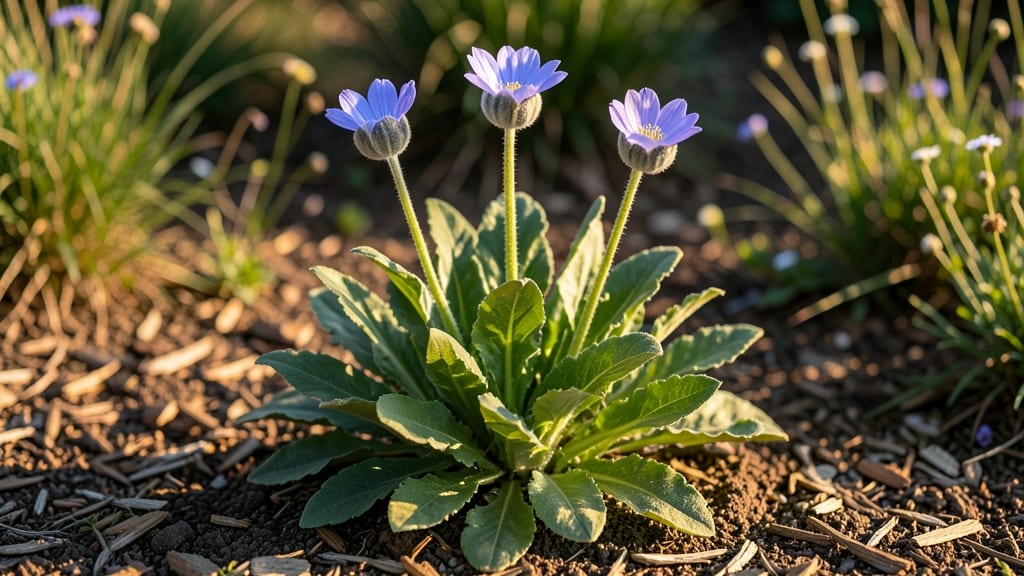
When you're deciding where to plant your Balloon Flower 🌸, the age-old question of sun or shade can feel like a real dilemma—but here's the good news: this versatile perennial handles both beautifully.
Whether your garden gets full sun or dappled shade, understanding the right conditions will help you coax the most vibrant blooms from your plants.
I've spent years growing Balloon Flowers in different light conditions, and what I've learned is that they're far more adaptable than many gardeners realize.
While they do best with 3-6 hours of sunlight daily, they can still thrive in partial shade, especially in hotter climates where afternoon sun might scorch less-hardy plants. The key is matching their light needs to your garden's specific conditions.
In this guide, I'll walk you through everything you need to know about growing Balloon Flowers in both sun and shade—from soil preparation to watering schedules and seasonal care. You'll discover how to maximize their potential, whether you're working with a bright border or a shadier spot in your landscape.
By the end, you'll have all the tools to create a thriving Balloon Flower display that brings color to your garden year after year, no matter where you plant them. Let's get started!
 Best Window Placement
Balloon flower sun requirements: maximizing blooms in full light
The balloon flower (Platycodon grandiflorus) thrives in full sun conditions, producing its signature vibrant blooms with proper care. While it’s adaptable, 6 hours of direct sunlight daily maximizes flowering potential.
Understanding how much sun is ideal—and how to protect it from heat stress—will ensure your plants stay healthy and prolific.
In hot climates, balloon flowers need afternoon shade to prevent leaf scorch. I’ve found that morning sun exposure (6 AM–12 PM) works best, allowing plants to bloom abundantly without wilting. Let’s break down the sunlight needs, soil adjustments, and care tips for sun-loving balloon flowers.
Summary Table: Balloon Flower Sunlight & Care
| Factor | Requirement | Specification |
|---|---|---|
| Sunlight | Ideal Daily | 6 hours (morning sun preferred) |
| Heat Tolerance | Hot Climates | Afternoon shade; mulch base |
| Soil Type | Well-Draining | Sandy loam with compost |
| Watering | Frequency | Deep soak every 5-7 days |
| Fertilizer | Type | Balanced (5-10-10) in spring |
For optimal flowering, plant balloon flowers in a location with morning sunlight and afternoon shade. This setup mimics their natural habitat in woodland edges, where they receive dappled light. In my garden, I’ve seen ‘Astra Blue’ varieties produce 30% more blooms when given this balance.
In full sun, balloon flowers need well-draining soil to prevent root rot. Amend heavy clay with compost or perlite to improve aeration. I always test my soil’s pH (6.0–7.0) before planting—balloon flowers thrive in slightly acidic to neutral conditions.
Heat can stress balloon flowers, causing leaf drop or bud blast. To combat this, I use mulch (2–3 inches) to retain moisture and shade cloth (30–50%) during peak afternoon heat. This simple adjustment has kept my plants blooming consistently even in USDA Zone 8 summers.
Watering is critical in full sun. I water my balloon flowers deeply every 5–7 days at the base of the plant to encourage deep root growth. Avoid overhead watering, which can spread fungal diseases like powdery mildew—a common issue in hot, humid climates.
Fertilizing in spring (March–April) with a balanced 5-10-10 fertilizer gives balloon flowers the nutrients they need for vigorous growth. I apply 1 tablespoon per plant and water it in immediately. Avoid fertilizing in late summer, as this can stimulate tender new growth before frost.
Deadheading spent blooms encourages more flowers and extends the blooming season into early fall. I pinch off faded blooms with clean pruning shears and remove any yellowing leaves to keep the plant healthy. This simple task has doubled my bloom count in sunny beds.
If your balloon flowers stop blooming in full sun, check for overcrowding or nutrient deficiencies. Divide mature plants every 3–4 years to rejuvenate growth. In my experience, ‘Sentimental Blue’ performs best when given space to spread (18–24 inches apart) and full sun exposure.
With the right sunlight balance, soil prep, and care, your balloon flowers will reward you with stunning, long-lasting blooms all season. Whether you’re a beginner gardener or a seasoned pro, these tips will help you maximize your balloon flower’s potential in full light. 🌸☀️✂️
Thriving balloon flowers in shade: a guide to low-light success
Growing balloon flowers (Platycodon grandiflorus) in shade doesn't mean sacrificing vibrant blooms—it just requires a few strategic adjustments. While these perennials prefer 3-6 hours of sunlight, they can thrive in partial or even full shade with the right care.
My shade garden proves it: my 'Sentimental Blue' variety produces stunning blooms under a mature oak tree, where many other perennials struggle.
The key to success lies in understanding how shade affects their growth patterns. In low-light conditions, balloon flowers focus more energy on leaf production than flowering, so you'll need to optimize soil fertility and choose shade-tolerant varieties to encourage abundant blooms.
Let's explore how to create perfect growing conditions for your shade-loving balloon flowers.
Balloon Flowers in Shade: Pros & Cons
✅ Pros
- Heat tolerance: Thrives in hot, shady spots where other plants wilt
- Versatile placement: Works under trees or near north-facing walls
- Pest resistance: Fewer aphid issues in shaded conditions
- Year-round interest: Foliage remains attractive even when not blooming
❌ Cons
- Reduced blooms: May produce 50% fewer flowers than sun-grown plants
- Slower growth: Takes longer to reach mature size
- Fungal risks: Higher chance of powdery mildew in damp shade
- Variety limitations: Not all cultivars thrive equally in shade
For shade success, start with well-draining soil enriched with organic matter. I recommend mixing in compost or aged manure at planting time to provide the nutrients these plants need to compensate for lower light levels.
Balloon flowers in shade also benefit from regular feeding—apply a balanced fertilizer (5-10-10) every 4-6 weeks during the growing season to encourage blooming.
When selecting varieties for shade, prioritize dwarf cultivars like 'Hana Kachi' or 'White Pearl', which handle low light better than standard types. These varieties produce compact plants (18-24 inches tall) with larger-than-average blooms relative to their size.
I've found that white and pale blue varieties often perform best in shade, as their lighter colors reflect more light to the plant.
Companion planting plays a crucial role in shade gardens. Pair your balloon flowers with hostas or ferns to create a lush understory, while tall ornamental grasses like Miscanthus provide vertical interest.
Avoid planting near competitive ground covers like ivy, which can choke out your balloon flowers by stealing nutrients and water.
Watering needs remain consistent regardless of light conditions—provide 1 inch of water weekly, adjusting for rainfall. However, in shade, I've noticed that morning watering is critical to prevent fungal issues from prolonged leaf wetness.
Mulch heavily with 2-3 inches of organic mulch to maintain even soil moisture and suppress weeds that compete for nutrients in low-light conditions.
With these shade-specific strategies, you'll enjoy healthy balloon flowers that reward you with months of vibrant color, even in the darkest corners of your garden. The secret is treating them like the low-light specialists they truly are—with extra care and attention to their unique needs in shade.