
Flowers
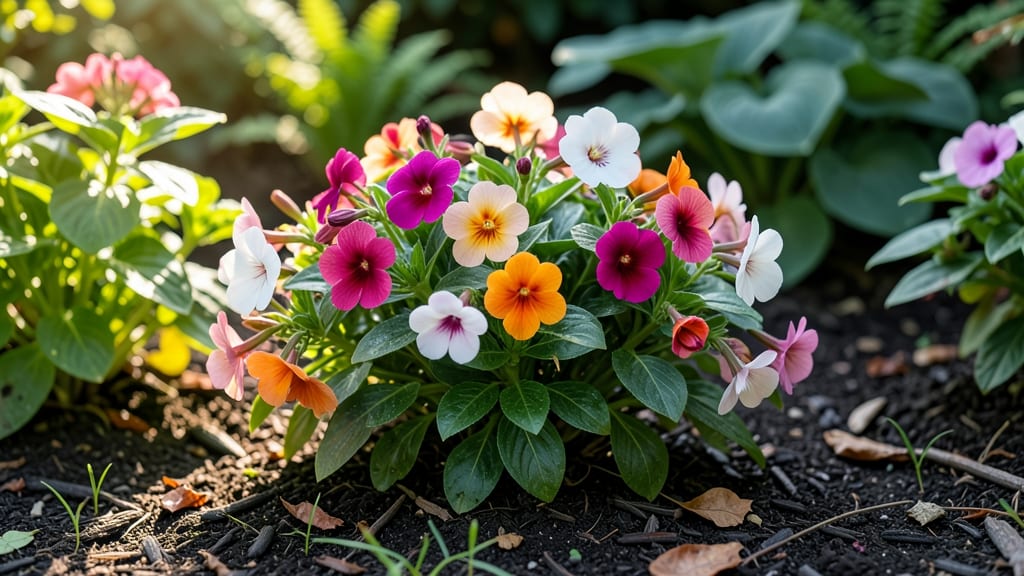
If your 🌸 impatiens flowers thrive best in the sun or shade—but only when given the right balance—you might be missing the trick that keeps them blooming vibrantly.
These shade-loving beauties actually have specific sunlight requirements that most gardeners overlook, and the difference between thriving and fading can be as simple as adjusting their exposure.
Impatiens love bright, indirect light—think dappled sunlight or filtered shade—rather than harsh afternoon rays. Too much direct sun causes leaf burn, while too little shade leads to leggy, sparse growth. The key is finding that perfect balance where they stay lush and packed with vibrant blooms all season.
Not all impatiens are created equal, either. Classic impatiens prefer cooler, shadier spots, while New Guinea varieties can handle a little more light.
I’ll show you how to tell which type you have and how to tweak your garden setup for maximum blooms, whether you’re working with containers or garden beds.
Ready to transform your impatiens from lackluster to showstopping? Let’s dive into the light conditions that will keep them blooming beautifully from June through September—and beyond.
 Best Window Placement
Ideal sunlight conditions for impatiens flowers: finding the perfect balance
If you love the vibrant blooms of impatiens but struggle with fading flowers or leggy growth, sunlight might be the culprit. These shade-loving annuals need a delicate balance—too much sun scorches them, while too little weakens their chlorophyll production.
Understanding their light needs is key to year-round color in your garden.
Impatiens thrive in partial shade, meaning they need 2-4 hours of morning sun and protection from hot afternoon rays. This setup mimics their natural habitat under dappled forest canopies.
When grown in full shade, they may produce fewer blooms, while direct sun causes leaf burn and wilting.
Here’s how to create the perfect microclimate for your impatiens, whether in garden beds or containers. The right light conditions boost flower production and plant resilience.
| Condition | Specification | Impact on Impatiens |
|---|---|---|
| Morning Sun | 2-4 hours | Encourages blooming and compact growth |
| Afternoon Sun | Avoid (0-1 hour max) | Causes leaf burn and stress |
| Full Shade | 6+ hours indirect light | Reduces flower production but prevents wilting |
| Direct Sun | 4+ hours | Leads to yellowing leaves and stunted growth |
| Microclimate Tips | Use reflective surfaces or lattice screens | Boosts light diffusion for even growth |
For New Guinea impatiens, a sun-tolerant variety, you can extend morning sun to 4-6 hours without risk. However, classic impatiens (like Impatiens walleriana) need gentler conditions. Watch for leaf curling or pale foliage, which signal light stress.
In containers, rotate pots weekly to ensure even light exposure. This prevents one-sided growth and keeps plants bushy. Place them near north-facing windows or under tree canopies for natural shade. If indoors, supplement with grow lights for 6-8 hours daily.
Prune leggy stems to encourage denser foliage and more flower buds. Remove yellow leaves promptly to redirect energy to blooming. In hot climates, provide afternoon shade with lightweight shade cloth (30-50% coverage).
Companion plants like hostas or ferns create natural shade, while tall grasses block harsh winds. Mulch with organic matter to retain moisture and regulate soil temperature. This combo keeps your impatiens thriving all season.
Remember, chlorophyll production peaks in moderate light. Too little light weakens plants, while too much causes oxidative stress. Balance is key—aim for bright indirect light with protection from midday sun. With these tips, your impatiens will reward you with nonstop blooms from spring to frost.
🌿
Best shade-tolerant impatiens varieties for low-light gardens
If you're growing impatiens in shady spots, choosing the right variety makes all the difference. While most impatiens love partial shade, some cultivars thrive in full shade—where others would struggle.
The key is selecting plants bred for low-light conditions, like 'Super Elfin' or 'Diamond Falls', which produce vibrant blooms without needing direct sunlight.
These shade-tolerant varieties often have darker foliage and larger flowers than sun-loving types, making them perfect for under trees or north-facing beds. But they still need some light—too little shade can lead to leggy growth and fewer blooms.
Let’s break down the best options and how they compare to sun-tolerant varieties like the 'Beacon' series.
Shade-Tolerant vs. Sun-Tolerant Impatiens
Shade-Tolerant Varieties
- 'Super Elfin' – Compact, 10-12" tall, bright colors in full shade
- 'Diamond Falls' – Trailing, 18" long, double blooms in low light
- 'Celebrity Series' – Heat-tolerant, vibrant hues in partial shade
- 'New Guinea' – Larger leaves, tolerates morning sun
Sun-Tolerant Varieties
- 'Beacon Series' – Needs morning sun, fades in deep shade
- 'Accent Series' – Smaller flowers, requires bright light
- 'Habitat Series' – Heat-loving, struggles in full shade
For containers or small spaces, 'Super Elfin' is my top pick—it stays compact and blooms nonstop in shady patios. If you have trailing spots, 'Diamond Falls' cascades beautifully over pots or window boxes, producing double blooms even in deep shade.
Both varieties handle humidity well, making them ideal for woodland gardens or shady porches.
Sun-tolerant varieties like 'Beacon' series, on the other hand, need morning sunlight to prevent leaf burn and pale blooms. These work best in east-facing beds or partially sunny spots with afternoon shade.
If you’re unsure which type you have, check the leaf color: darker green usually means shade-tolerant, while lighter green signals sun-loving.
To maximize blooms in low-light areas, deadhead regularly and use a balanced fertilizer like 10-10-10 every 4-6 weeks. Avoid overwatering—shady spots stay damp longer, and soggy soil leads to root rot. Mulch with organic matter to retain moisture and keep roots cool.
Pro tip: If your impatiens start looking leggy or sparse, move them to a brighter spot (but not direct sun). With the right variety and care, your shade garden can burst with color from June to frost—no sun required! 🌿