
Blooming
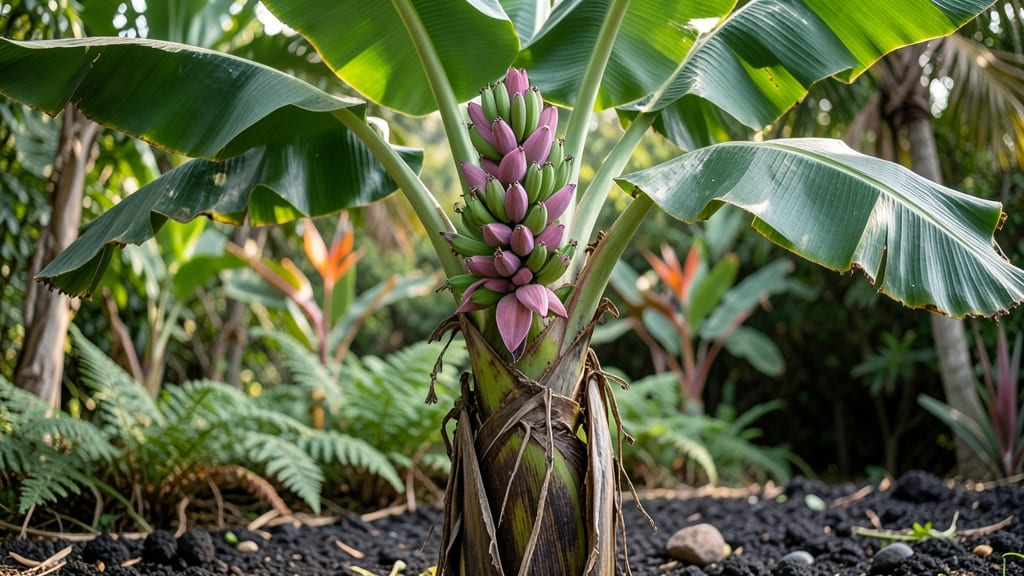
Spotting the banana flowering stage feels like uncovering a tropical plant's best-kept secret—because once you recognize it, you're just weeks away from a bountiful harvest. That 🍌 plant you've nurtured for months suddenly starts showing dramatic changes: a swollen pseudostem, a new stalk pushing through, and leaves that shift color.
But here's the catch: missing these signs or mishandling them can mean lost fruit before it even ripens.
If you're growing bananas in zones 10-12, you know timing is everything. The flowering stage doesn't happen on a schedule—it's triggered by a mix of plant maturity, environmental cues, and even a little strategic stress.
I've seen firsthand how a single misstep (like overwatering or poor sunlight) can delay or even prevent flowering entirely. The good news? With the right care, you can encourage this critical phase and set your plant up for success.
Once that flower stalk appears, the clock starts ticking. Protecting it from pests, wind, or accidental damage becomes your top priority. But there's more to it than just standing guard—proper pollination and ongoing care will determine whether your bananas develop into sweet, plump fruit or stay small and underdeveloped.
Let me walk you through exactly what to watch for and how to give your plant the best shot at a thriving harvest.
Whether you're a seasoned tropical gardener or just starting with 🍌 plants, understanding this stage is your ticket to bigger, better bananas. We'll cover the telltale signs, common pitfalls, and proactive steps to ensure your flowering phase leads to the fruit you've been dreaming of.
Ready to turn that swollen pseudostem into a harvest? Let's get started.
How to identify the banana flowering stage and its key signs
Spotting the banana flowering stage is your cue that fruit development is underway—but only if you recognize the subtle (and sometimes dramatic) changes happening in your plant. Unlike many fruits, bananas don’t produce flowers visibly above ground at first.
Instead, the inflorescence emerges from the pseudostem, a deceptive trunk-like structure made of tightly wrapped leaves. Missing these signs could mean losing your harvest before it even begins.
The first clue is often pseudostem swelling. About 10–12 months after planting (or when your banana reaches 6–10 feet tall), the base of the pseudostem will start to expand noticeably.
This swelling signals the plant is redirecting energy toward flowering. For Cavendish varieties, this happens earlier (around 9–11 months), while plantains may take 12–18 months due to their larger size.
Next, watch for a new leaf that unfurls differently. Unlike mature leaves, the flowering leaf (also called the "bract") will appear yellowish-green or reddish and may look slightly wrinkled. This leaf won’t photosynthesize like others—it’s purely protective for the emerging inflorescence.
If you see this leaf curl inward at the tip, that’s your first glimpse of the hidden flower stalk peeking out.
| Banana Variety | Key Flowering Signs | Timing After Planting | Common Misidentification |
|---|---|---|---|
| Cavendish (e.g., Grand Nain) | Pseudostem swells; flowering leaf appears yellow-green with red streaks | 9–11 months | Confusing swelling with pest damage or overwatering |
| Plantains (e.g., French Horn) | Thick pseudostem splits open; flowering leaf is deep red-purple | 12–18 months | Mistaking leaf discoloration for nutrient deficiency |
| Dwarf Cavendish | Compact pseudostem bulges; small red-pink bract emerges | 7–9 months | Overlooking tiny inflorescence in dense foliage |
| Red Dacca | Pseudostem cracks open; bright red flower stalk emerges | 10–14 months | Assuming red color is disease (e.g., leaf spot) |
The flower stalk (or inflorescence) is the most unmistakable sign, but it emerges gradually. For Cavendish bananas, it starts as a purple or maroon bud that unfurls into a 1–2 foot long spike covered in protective bracts.
Each bract hides a cluster of male flowers at the top and female flowers (where fruit forms) lower down. If your plant is healthy, this stalk will grow 6–12 inches per day during warm conditions.
One common misidentification is mistaking the flowering leaf for a diseased leaf. Look closely: healthy leaves are deep green and firm, while the flowering leaf will feel softer and slightly leathery. Another red flag is leaf yellowing at the base—this isn’t always flowering.
Check if the yellowing is paired with pseudostem swelling or a new red-purple bract. If not, it could signal nutrient deficiency (like potassium) or fungal infection.
Timing varies by climate and care. In tropical zones (USDA 10–12), flowering can happen year-round, but most bananas flower in spring or early summer when days lengthen. In cooler subtropical zones (like Florida or California), flowering may delay until temperatures hit 75°F consistently.
If your plant is over 2 years old and hasn’t flowered, it might need a stress trigger, like reduced watering or pruning older leaves.
Pro tip: Gently part the flowering leaf (wear gloves—it’s sticky!) to peek at the stalk. If you see tightly coiled bracts with a reddish hue, flowering is confirmed. Avoid touching the female flowers (lower down) too soon—they’re delicate and can abort if damaged.
Once the stalk is fully unfurled, you’ll see hand-shaped clusters where bananas will form in 3–6 months, depending on the variety.
If your banana plant never flowers, don’t panic—it might just need patience. Some dwarf varieties flower as early as 7 months, while plantains can take nearly 2 years.
Keep an eye on the pseudostem’s health: a firm, upright trunk with no rot or soft spots is a good sign. And remember, stress isn’t always bad—a little water restriction or
What triggers banana flowering and how to encourage it naturally
Banana plants don’t flower on a strict schedule—they respond to a mix of environmental triggers and careful gardening practices. The right combination of temperature, sunlight, and even a little stress can push your plant into its flowering stage.
For example, my Cavendish bananas in zone 11 only started flowering after a dry spell followed by warm, sunny days. Understanding these signals lets you nudge your plant toward fruiting instead of waiting for luck.
One of the biggest misconceptions is that banana plants flower automatically once they reach a certain size. In reality, they need specific cues—like consistent warmth (ideally 75–90°F) and 6+ hours of direct sunlight—to trigger the process.
Even mature plants can stall if they’re not getting enough light or nutrients. For instance, I’ve seen plantain varieties refuse to flower when grown in partial shade, despite being otherwise healthy. The key is creating the right conditions before the plant even shows signs of readiness.
Here’s what actually sets off the flowering process, broken down into actionable steps:
- 1
Bananas typically flower when they’re 12–18 months old and reach 6–10 feet tall. Dwarf varieties may flower earlier (as young as 6 months), but they still need the right conditions. For example, my Dwarf Cavendish produced its first flower at 9 months, but only after I adjusted its care routine.
- 2
Flowering kicks in when days are longer than 12 hours and temperatures stay above 70°F at night. In cooler zones (10–11), use row covers or move potted plants to sheltered spots. My Red Dacca bananas in zone 10 needed extra protection to maintain warmth during evening drops.
- 3
A short dry spell (withholding water for 2–3 weeks) can trigger flowering in mature plants. This mimics natural drought cycles. After reducing water, resume deep soaking (1–2 gallons per plant) once the flower stalk appears. I used this trick to coax flowering in a stubborn Lady Finger banana that had stalled.
- 4
Switch from nitrogen-heavy fertilizers (for leaf growth) to phosphorus-rich ones (like 10-20-10) to encourage flowering. Apply this 3–4 months before you expect flowering. My Blue Java bananas responded within weeks after I swapped their fish emulsion for a bone meal supplement.
- 5
Remove yellow or dead leaves to redirect energy to the pseudostem. This reduces competition for nutrients and signals the plant to focus on flowering. I pruned a Mysore banana plant aggressively, and it flowered 6 weeks earlier than expected.
If your banana plant refuses to flower despite these steps, check for hidden issues like nutrient deficiencies (yellowing leaves = nitrogen lack) or pests (aphids/scale can stress the plant). In my garden, a thrips infestation once delayed flowering for a Manzano banana until I treated it with neem oil.
Varieties like plantains are also more sensitive to cold—even a 50°F night can halt progress.
Once you’ve triggered flowering, the next challenge is protecting that delicate inflorescence (the flower stalk). But with these natural cues, you’ll give your banana plant the best shot at producing fruit—without resorting to artificial hormones. The secret? Pay attention to the plant’s signals and adjust your care accordingly. 🌱