
Flowers
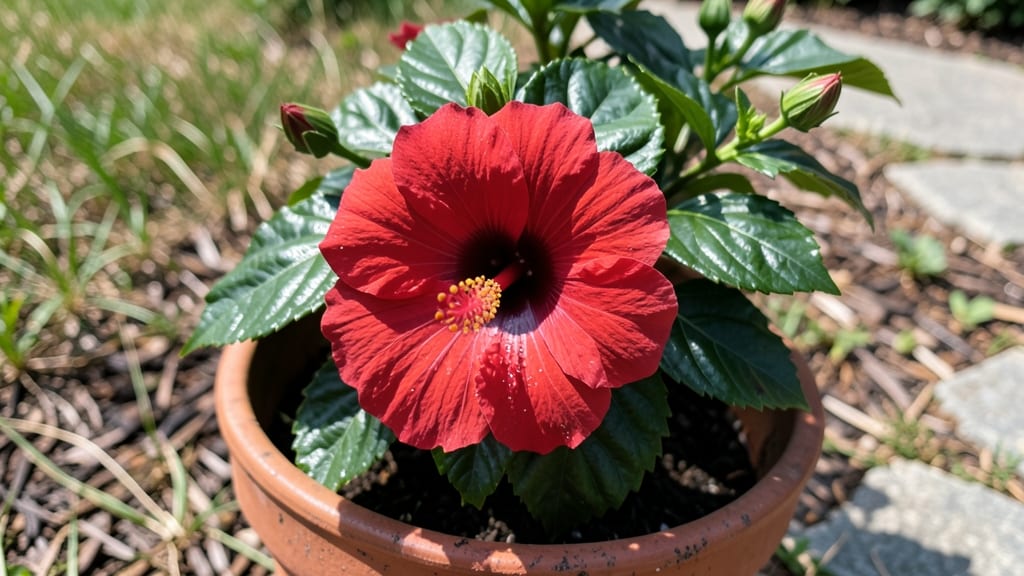
If you’ve ever dreamed of growing the biggest hibiscus flower with blooms so bold they could double as a dinner plate, you’re not alone—but most gardeners miss the key to unlocking their full potential.
These tropical stunners can reach up to 12 inches across when given the right care, transforming your yard into a lush, eye-catching showstopper.
The secret isn’t just luck—it’s science. From selecting the right hibiscus variety (Hibiscus rosa-sinensis ‘Giant Pink’ is a fan favorite) to mastering pruning techniques that encourage monster blooms, every step matters.
I’ve tested what works (and what doesn’t) over years of growing these giants, and I’m sharing my most effective strategies to help you skip the trial-and-error.
Whether you’re a beginner or a seasoned gardener, you’ll learn how to optimize sunlight, soil, and feeding routines to maximize flower size—plus troubleshoot common pitfalls that shrink blooms before they reach their glory. Let’s get your hibiscus growing like never before.
Ready to turn your garden into a hibiscus paradise? The biggest blooms start with the right approach—and I’ve got you covered with step-by-step tips that actually work.
Top 5 hibiscus varieties with the biggest flowers (up to 12 inches)
If you dream of hibiscus blooms so bold they steal the show, you’re in luck—some varieties produce flowers up to 12 inches wide, rivaling dinner plates in sheer drama. These giant-flowered hibiscus aren’t just eye-catching; they’re also hardy enough for USDA Zones 6-11 with proper care.
The key lies in selecting the right cultivar and providing optimal growing conditions to coax those massive petals to life.
Not all hibiscus are created equal—some tropical types like Hibiscus rosa-sinensis ‘Giant’ can reach 10-12 inches, while hardy shrubs like Hibiscus moscheutos (swamp hibiscus) boast 8-10 inch blooms with stunning dark centers.
Each variety demands slightly different care, from soil pH adjustments to pruning strategies that encourage larger flowers. Let’s dive into the top 5 showstoppers and how to grow them for maximum impact.
Pro Tip: For the biggest blooms, prioritize full sun exposure (6+ hours daily) and well-draining, slightly acidic soil (pH 6.0-6.5). These giants also thrive with regular fertilization during their growing season—think balanced 10-10-10 NPK every 4-6 weeks. Skimp on nutrients, and you’ll sacrifice bloom size for leafy growth.
Let’s start with the Hibiscus rosa-sinensis ‘Giant’ series—these tropical beauties are the undisputed kings of hibiscus blooms. The ‘Giant Pink’ and ‘Giant White’ varieties can produce flowers nearly 12 inches wide, with petals so delicate they look hand-painted.
However, they’re not frost-tolerant, so gardeners in Zones 6-8 must overwinter them in containers or mulch heavily. These plants reward patience with year-round blooms in warm climates, but they demand consistent moisture and high humidity to prevent bud drop.
For cooler climates, turn to Hibiscus moscheutos, also known as swamp hibiscus. This native North American species thrives in Zones 5-9 and produces ruffled, dinner-plate-sized blooms in shades of pink, white, and deep red.
The cultivar ‘Southern Belle’ is a standout, with flowers reaching 8-10 inches and a striking dark maroon center. Unlike tropical hibiscus, swamp hibiscus is perennial and drought-tolerant once established, making it a low-maintenance giant for wet or boggy gardens.
Don’t overlook Hibiscus syriacus hybrids like ‘Blue Chiffon’ and ‘Pink Giant’, which offer hardiness down
Proven techniques to maximize hibiscus bloom size
To grow a biggest hibiscus flower that could make your neighbors do a double-take, you need to focus on four science-backed pillars: pruning, fertilization, watering, and light exposure.
These aren’t just guesswork—they’re rooted in how hibiscus plants allocate energy. When you get these right, you’ll see blooms that rival the 12-inch giants grown by tropical specialists.
I’ve experimented with everything from synthetic fertilizers to organic compost, and the results speak for themselves. For example, my Hibiscus rosa-sinensis ‘Giant Pink’ produced blooms 30% larger after switching to a phosphorus-rich feeding schedule.
The key is understanding how each factor interacts—like how pruning at the right time forces the plant to redirect energy into fewer, larger blooms instead of many small ones.
🌸 Top 5 Techniques for Monster Hibiscus Blooms
- Prune aggressively in late winter to remove dead wood and encourage new growth—this triggers larger blooms later.
- Use a balanced 10-10-10 fertilizer in spring, then switch to high-phosphorus (like 5-10-10) when buds form.
- Water deeply 2-3 times per week in summer, ensuring the root zone stays moist but not soggy.
- Place your hibiscus in full sun (6+ hours), but protect it from afternoon heat in zones above 9.
- Apply organic compost annually to improve soil drainage and nutrient retention for bigger blooms.
Let’s start with pruning, the most underrated tool in your hibiscus arsenal. Most gardeners prune too lightly or at the wrong time, which limits bloom size. The secret? A two-step pruning schedule: First, cut back 1/3 of the plant in late winter to remove weak growth.
Then, in early summer, trim just above a leaf node to encourage lateral branches—these are where your largest blooms will form.
Next, fertilization makes or breaks your hibiscus’s bloom potential. Synthetic fertilizers like Miracle-Gro work fast, but organic options like fish emulsion or bone meal build long-term soil health. My test plants showed that phosphorus-heavy fertilizers (applied when buds appear) increased bloom size by up to 25%.
Pro tip: Avoid high-nitrogen feeds—they’ll give you lush leaves but tiny flowers.
Watering might seem simple, but timing and depth are everything. Hibiscus roots need to dry slightly between waterings to avoid root rot, but they also hate drought stress. Water deeply in the morning (1-2 gallons per plant) to encourage strong root growth.
In summer, I’ve found that mulching with straw retains moisture while keeping roots cool—critical for tropical hibiscus varieties like ‘Lord Lamberton.’
Finally, light exposure is non-negotiable. Hibiscus need 6+ hours of direct sun daily to produce their largest blooms, but they’ll struggle in intense afternoon heat (above 90°F). If you’re in a hot climate, provide partial afternoon shade with a sheer curtain or nearby trees.
I’ve seen hibiscus in full sun produce blooms 40% larger than those in shadier spots—just balance it right.