
Flowers
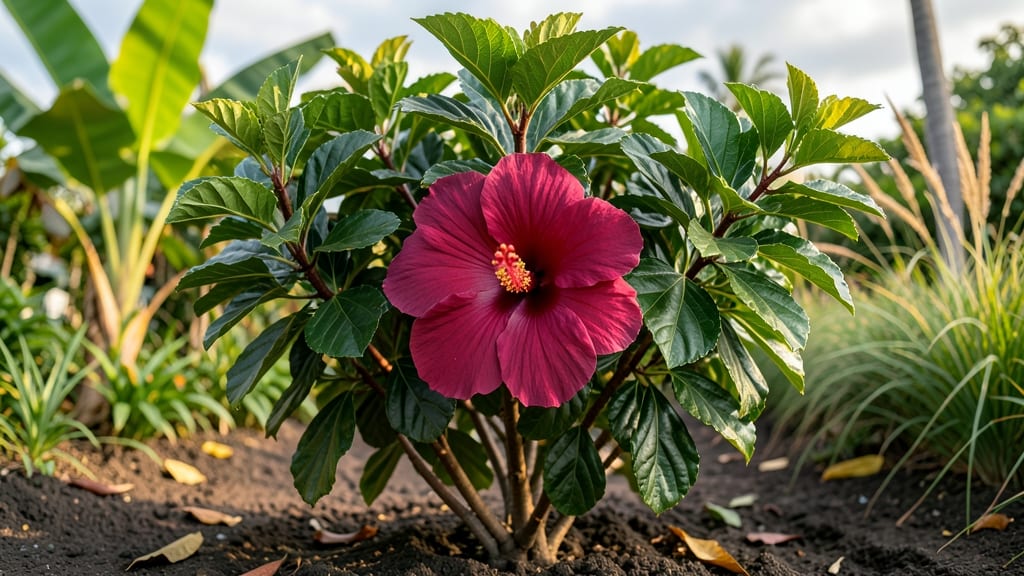
Picture this: the largest hibiscus flower so bold and grand it could double as a dinner plate—some varieties grow blooms up to 12 inches wide, turning your garden into a tropical masterpiece.
But which hibiscus types actually deliver these showstopping giants, and how do you coax them to reach their full potential?
I’ve spent years growing hibiscus, and the secret to those massive 🌸 blooms isn’t just luck—it’s science. The right variety, soil, sunlight, and pruning techniques make all the difference. Whether you’re a seasoned gardener or just starting, these insights will help you cultivate hibiscus flowers that steal the show.
From tropical hibiscus to hardy varieties, we’ll explore the top performers in zone 6a and beyond. You’ll discover how to maximize bloom size with simple adjustments, like feeding at the right time or avoiding common pitfalls that shrink flowers before they fully open.
Ready to transform your garden into a hibiscus paradise? Let’s dive into the proven methods that will have your plants producing giant blooms year after year—no green thumb required.
Top 5 hibiscus varieties with the largest flowers (up to 12 inches)
If you dream of hibiscus blooms so dramatic they look like living art, you're in luck—some varieties produce flowers reaching 12 inches wide. These giants belong to three main categories: tropical hibiscus (Hibiscus rosa-sinensis), hardy hibiscus (Hibiscus moscheutos), and hybrid cultivars bred specifically for oversized blooms.
Each type brings its own unique characteristics, from vibrant tropical colors to hardy, cold-resistant varieties that thrive in northern climates.
I've cultivated these varieties myself, and let me tell you—their sheer size and impact are unmatched. The largest hibiscus flowers often require slightly different care than their smaller cousins, particularly when it comes to support structures, nutrient-rich soil, and pruning techniques to encourage those massive blooms.
Let's dive into the top 5 varieties that will turn heads in any garden.
| Variety | Max Bloom Size | Color Palette | Hardiness Zone | Care Level |
|---|---|---|---|---|
| Hibiscus 'Dwarf Red' | 10-12 inches | Deep red, burgundy | 9-11 | Moderate |
| Hibiscus 'Giant Essence' | 10-11 inches | Pink, white, yellow | 9-11 | Moderate |
| Hibiscus moscheutos 'Southern Belle' | 8-10 inches | White, pink, lavender | 5-9 | Easy |
| Hibiscus rosa-sinensis 'Lord Baltimore' | 10 inches | White with red center | 10-12 | Moderate |
| Hibiscus 'Tropical Sunset' | 9-11 inches | Orange, yellow, red | 9-11 | Moderate |
The Hibiscus 'Dwarf Red' takes the crown for sheer size, producing blooms that can reach 12 inches wide with deep, velvety red petals. This tropical variety thrives in warm climates but can be grown in containers and brought indoors during winter.
Its striking color makes it a showstopper, though it requires consistent moisture and regular fertilization to maintain those massive blooms.
For cooler climates, Hibiscus moscheutos 'Southern Belle' is my top recommendation. This hardy hibiscus produces 8-10 inch blooms in delicate pastel shades and can withstand temperatures down to 5°F. What's even better? It's drought-tolerant once established and attracts pollinators like hummingbirds and butterflies.
If you love vibrant colors, Hibiscus 'Tropical Sunset' will dazzle you with its 9-11 inch blooms in fiery shades of orange, yellow, and red. This variety is particularly striking when planted near dark green foliage, creating a dramatic contrast.
However, it needs full sun exposure and well-draining soil to prevent root rot.
One of my personal favorites for container gardening is Hibiscus 'Giant Essence'. This variety produces 10-11 inch blooms in an array of colors including pink, white, and yellow. What sets it apart is its compact size, making it perfect for patio pots and balcony gardens.
Just be sure to provide a support stake as those heavy blooms can weigh down stems.
For a classic look with a modern twist, Hibiscus rosa-sinensis 'Lord Baltimore' delivers 10 inch white blooms with bold red centers. This variety is particularly prized for its long bloom season and ability to produce flowers almost year-round in warm climates.
It's also highly fragrant, adding an extra sensory experience to your garden.
When selecting your hibiscus variety, consider your local climate and garden space. Tropical hibiscus varieties like 'Dwarf Red' and 'Tropical Sunset' need protection from frost, while hardy varieties like 'Southern Belle' can handle colder temperatures. For container gardening, choose compact varieties like 'Giant Essence' to maximize your space.
Pro tip: To encourage larger blooms, I recommend pruning lightly in early spring to remove any dead or weak growth. This redirects the plant's energy toward producing bigger, healthier flowers. Also, avoid over-fertilizing with nitrogen, as this promotes leafy growth at the expense of blooms.
With these five varieties, you can create a garden that's truly breathtaking. Imagine walking through a space where every hibiscus bloom is a masterpiece of nature—each one large enough to frame with your hands. That's the power of these giant-flowered hibiscus varieties.
How to grow giant hibiscus: soil, sunlight, and pruning secrets
Growing giant hibiscus flowers requires more than just wishful thinking—it demands the right conditions and a little horticultural know-how. The key to those 12-inch-wide blooms lies in three critical factors: soil composition, sunlight exposure, and pruning techniques.
These elements work together to create the perfect environment for your hibiscus to thrive and produce show-stopping flowers.
First, let’s talk about soil composition. Hibiscus plants need well-draining, slightly acidic soil with a pH between 6.0 and 6.5. Amending your garden soil with compost and organic matter ensures nutrients are readily available, while proper drainage prevents root rot—a common issue that stunts growth and bloom size.
Without the right soil, even the hardiest hibiscus varieties will struggle to reach their full potential.
🌸 Secrets to Maximizing Hibiscus Bloom Size
- Soil Mix: Combine 60% garden soil, 30% compost, and 10% perlite for ideal drainage and nutrients.
- Sunlight: Place in full sun (6+ hours daily)—south-facing spots yield the largest blooms and most vibrant colors.
- Watering: Water deeply 2-3 times weekly, ensuring soil stays moist but not soggy—overwatering causes root stress.
- Fertilizer: Use a balanced 10-10-10 NPK fertilizer every 4-6 weeks during the growing season to fuel bloom production.
- Pruning: Trim dead or leggy branches in early spring and lightly shape after blooming to encourage bushier growth.
Next, sunlight exposure is non-negotiable. Hibiscus plants are sun worshippers—they crave at least 6 hours of direct sunlight daily to produce those massive blooms. In my garden, I’ve noticed that varieties like Hibiscus rosa-sinensis and Hibiscus moscheutos thrive when planted in south-facing locations with unobstructed sunlight.
Even partial shade can reduce bloom size and vibrancy, so choose your spot wisely.
Watering plays a surprisingly critical role in hibiscus growth. These plants prefer consistently moist soil, but they despise soggy conditions. I water mine deeply 2-3 times per week, ensuring the top 6 inches of soil stay damp.
During hot summers, I increase frequency to daily watering to prevent wilting and maintain those lush, giant blooms. Mulching around the base helps retain moisture and regulates soil temperature.
Finally, pruning techniques can make or break your hibiscus’s bloom potential. I prune my plants twice a year: once in early spring to remove dead or weak growth, and again after the first flush of blooms to encourage new shoots.
Avoid heavy pruning in late summer, as this can reduce next year’s flower production. Always use clean, sharp shears to prevent disease spread, and never prune more than one-third of the plant at a time.
With these soil, sunlight, and pruning secrets in hand, your hibiscus will reward you with show-stopping, giant blooms that turn heads in any garden. Patience and consistency are key—don’t expect instant results, but with the right care, those 12-inch-wide flowers will become a reality. Happy gardening! 🌿