
Flowers
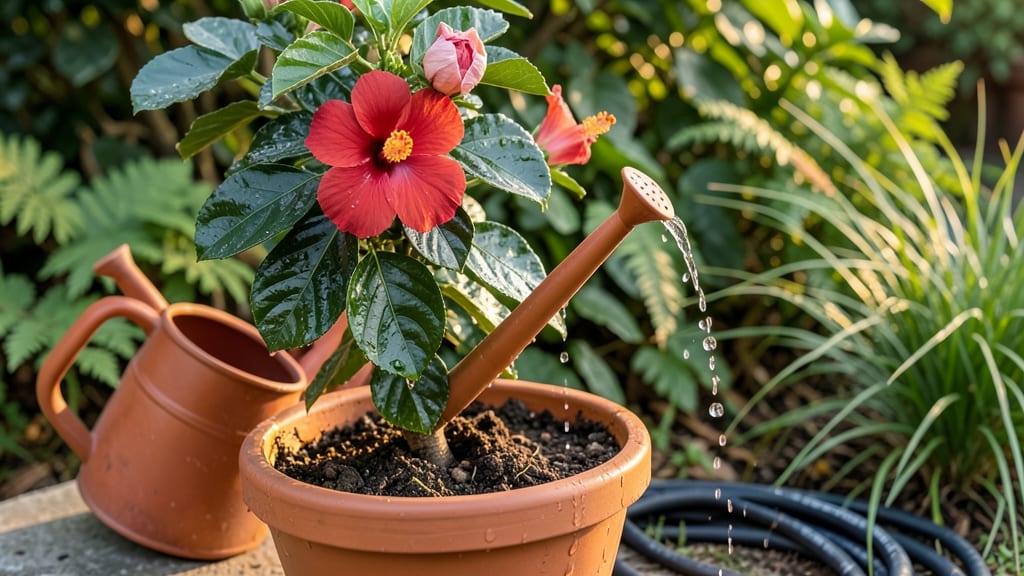
Mastering hibiscus flower watering could be the game-changer your garden needs—because these stunning 🌸 plants don’t just tolerate moisture, they thrive on it (but not too much!).
If you’ve ever watched your hibiscus droop after a hot day or struggle to produce blooms, you’re not alone. The key lies in understanding how much water these tropical beauties truly need—and when to hold back.
Too little, and they wilt; too much, and their roots suffocate. Let’s break down the soil moisture secrets that keep hibiscus flourishing from spring through summer.
From container-grown specimens to in-ground plants in USDA Zone 6a, your watering approach should shift with the seasons. We’ll cover exactly how often to water, what signs to watch for, and how to adjust when summer heat ramps up. Ready to give your hibiscus the perfect drink?
Think of watering as a conversation with your plant—not a one-size-fits-all routine. With the right balance, you’ll reward yourself with vibrant blooms all season long. Let’s dive into the details.


How often to water hibiscus flowers for maximum blooms
Your hibiscus flowers thrive on consistency, but getting the watering schedule right can feel like guessing. Too much water causes root rot, while too little stresses the plant and cuts back on those stunning blooms.
The key is understanding how seasonal changes and soil types affect your hibiscus's moisture needs—because what works in summer won’t cut it in winter.
Hibiscus plants love moisture but hate soggy roots. They’re tropical at heart, so they need deep, infrequent watering that encourages strong root growth. Think of it like giving your plant a long drink instead of frequent sips.
The top 2-3 inches of soil should dry out between waterings, but never let it get bone-dry. This balance is what triggers those vibrant blooms you’re after.
Let’s break down the science-backed watering schedule by season and soil type so you can keep your hibiscus thriving year-round. Whether you’re growing in containers or garden beds, these guidelines will help you avoid common pitfalls.
| Season | Soil Type | Watering Frequency | Moisture Check | Notes |
|---|---|---|---|---|
| Spring | Well-draining | Every 2-3 days | Top 2" dry | Increase as temps rise |
| Spring | Clay/heavy | Every 3-4 days | Top 3" dry | Avoid waterlogging |
| Summer | Well-draining | Daily or every other day | Top 1-2" dry | Morning watering preferred |
| Summer | Clay/heavy | Every 2-3 days | Top 2-3" dry | Mulch to retain moisture |
| Fall | Well-draining | Every 3-4 days | Top 2" dry | Reduce as temps drop |
| Winter | All types | Bi-weekly | Top 3-4" dry | Dormant phase |
| Containers | Any | Every 1-2 days | Top 1" dry | Dries faster than ground |
In spring, your hibiscus is waking up from dormancy and needs a steady increase in water as temperatures rise. If you’re growing in well-draining soil, water every 2-3 days when the top 2 inches feel dry.
For clay or heavy soils, extend this to every 3-4 days since these soils retain moisture longer. Look for wilting leaves or a lighter soil color as signals it’s time to water.
Summer is when hibiscus plants drink the most, especially in
Common hibiscus watering mistakes that kill blooms (and how to fix them)
Your hibiscus might look healthy on the surface, but if its blooms are sparse or leaves yellow, watering could be the culprit. Tropical hibiscus plants like consistent moisture, but they’re just as sensitive to overwatering as they are to drought.
The biggest mistake? Assuming "more water = more blooms" when the opposite is often true.
I’ve seen gardeners drown their hibiscus roots with daily watering, only to watch their plants develop root rot and drop buds. On the flip side, underwatering causes buds to shrivel before they even open.
Both extremes send your hibiscus into survival mode—cutting back on those show-stopping blooms you planted it for.
Let’s tackle the two most common watering mistakes head-on: overwatering and underwatering. Recognizing the symptoms early can save your plant—and your patience—as you adjust your routine.
⚠️ Warning Signs: Overwatering vs. Underwatering
Overwatering: Yellowing leaves, mushy stems, soil that smells sour, and roots that appear brown/mushy when checked.
Underwatering: Crispy leaf edges, wilting even when watered, soil pulling away from pot sides, and buds dropping before opening.
Fix: For overwatering, let soil dry 2-3 inches deep between waterings. For underwatering, water deeply until it drains from the bottom.
If your hibiscus shows signs of root rot, act fast. Gently remove the plant from its pot and inspect the roots—healthy roots are white or light tan, while rotten roots are dark and mushy.
Trim away the damaged roots with sterilized scissors, then repot your hibiscus in fresh, well-draining soil mixed with perlite or sand.
For underwatered hibiscus, the fix is simpler but requires consistency. Water deeply in the morning, ensuring the top 6 inches of soil are moist. Mulch around the base to retain moisture, and avoid letting the soil dry out completely between waterings.
Tropical hibiscus thrive on regular moisture, so aim for watering every 2-3 days in summer or when the top inch of soil feels dry.
Pro tip: Adjust your watering based on your hibiscus’s environment. Container-grown plants dry out faster than in-ground ones, while clay pots wick moisture away quicker than plastic.
Always check soil moisture before watering—stick your finger in the soil up to your knuckle. If it’s dry, water; if it’s still damp, wait another day.
Remember, hibiscus plants communicate their needs through their leaves and blooms. Pay attention to these subtle cues, and you’ll find the perfect watering rhythm that keeps your hibiscus blooming like crazy all season long. 🌸