
Flowers
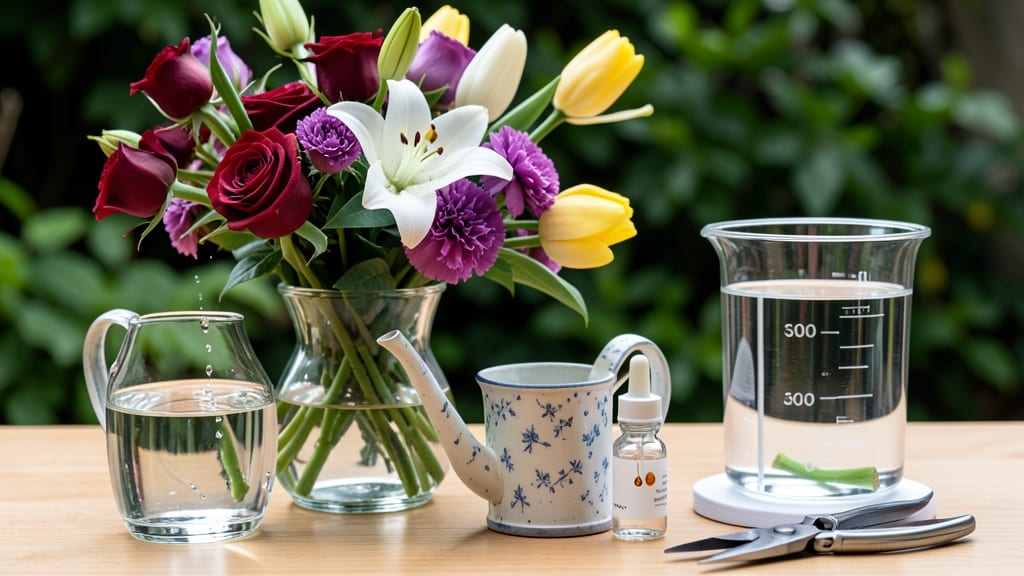
To keep your 🌸 Cut Flowers (Vase Flowers) looking fresh for days, the right amount of water isn’t just a guess—it’s a precision formula that makes all the difference. Too little, and they’ll wilt before their time; too much, and you risk stagnant water that speeds up decay.
The secret lies in balancing water levels with your flowers’ needs, whether you’re arranging roses, delicate orchids, or mixed bouquets.
Most vases need 2-3 inches of fresh water to start, but that’s just the beginning. I’ve tested what works best: refilling every 2-3 days, trimming stems at an angle, and removing leaves submerged in water to prevent bacteria.
These small tweaks can extend your flowers’ life by nearly a week—no fancy tools required.
Common mistakes like overcrowding or ignoring water quality can cut your blooms’ lifespan short. For example, orchids need less water than sunflowers, and roses thrive with a splash of flower food. Let’s break down the exact measurements and care steps so you never waste another bouquet.
Ready to master the art of vase life? I’ll walk you through flower-specific tips, troubleshooting tricks, and the one rule that keeps your arrangements vibrant longer than ever. Let’s get started.


The perfect water-to-flower ratio for different bloom types
Not all flowers drink the same way—just like us, they have different hydration needs! The water-to-flower ratio depends on stem thickness, bloom size, and even the type of flower.
Too little water, and your blooms wilt in days. Too much, and you risk bacterial growth. Let’s break down the science-backed measurements for your favorite cut flowers.
For most standard cut flowers like sunflowers or carnations, aim for 2-3 inches of water in your vase. This ensures enough hydration pressure to reach the top stems while leaving room for flower food or a splash of bleach (1 tsp per quart) to prevent bacteria.
But this isn’t a one-size-fits-all rule—delicate orchids or thin-stemmed lilies need a gentler approach.
| Flower Type | Stem Thickness | Water Depth (inches) | Vase Size | Notes |
|---|---|---|---|---|
| Roses | Thick (0.5" diameter) | 3-4 inches | Medium to large (12-18 oz) | Trim stems at 45° angle; change water daily. |
| Lilies | Medium (0.25" diameter) | 2-3 inches | Small to medium (8-12 oz) | Remove lower leaves to prevent bacteria. |
| Orchids | Very thin (0.1" diameter) | 1-2 inches | Small (4-6 oz) | Use distilled water; avoid direct sunlight. |
| Sunflowers | Thick (0.75" diameter) | 4 inches | Large (20+ oz) | Trim stems every 2 days to encourage uptake. |
| Tulips | Medium (0.3" diameter) | 2 inches | Small (6-8 oz) | Keep in cool room (60-65°F) for longevity. |
| Alstroemeria | Thin (0.2" diameter) | 1.5-2 inches | Small (6-8 oz) | Natural preservative; lasts 7-10 days. |
Roses, with their thick stems, are the thirstiest of the bunch. They need 3-4 inches of water to stay hydrated, especially if you’ve got a full bouquet.
Think of it like filling a large vase (12-18 oz) with water—this ensures the hydration pressure is strong enough to reach the top blooms. Pro tip: Add a splash of bleach (1 tsp per quart) to keep the water clean longer.
On the other end of the spectrum, orchids and delicate lilies have thin stems that can’t handle deep water. For these, 1-2 inches is plenty. Use a small vase (4-6 oz) to avoid overcrowding, which can lead to bacterial growth.
Orchids, in particular, prefer distilled water to avoid mineral buildup in their stems.
How to adjust water levels for maximum freshness
Adjusting water levels in your vase isn’t just about filling it up—it’s about creating the perfect hydration environment for your flowers. Start with 2-3 inches of fresh, room-temperature water to ensure stems drink up immediately.
This depth works for most cut flowers, but delicate blooms like orchids need less, while hearty stems like sunflowers can handle a bit more.
Before adding water, always clean your vase thoroughly with soap and warm water to remove bacteria or residue from previous arrangements. A clean vase prevents bacterial growth, which can clog stems and shorten your flowers’ lifespan.
I like to use a mix of 1 part vinegar to 3 parts water for extra sterilization—it’s a game-changer for longevity.
Now, let’s dive into the exact steps to keep your flowers thriving. Follow this step-by-step guide to adjust water levels like a pro:
Don’t forget to place your vase in a spot with bright, indirect light—direct sunlight can overheat the water and cause wilting. If you notice stems bending toward the light, rotate the vase daily to keep them straight and upright.
For long-stemmed flowers like lilies or snapdragons, consider using a clear vase so you can monitor water levels easily. If the water level drops too low, stems can’t absorb enough moisture, leading to drooping blooms.
Pro tip: Add a few ice cubes to keep water cool and slow evaporation in warm rooms.
With these adjustments, your cut flowers will stay fresh for up to 2 weeks—or even longer for hardy varieties like carnations or chrysanthemums. The key is consistency: clean vase, right water level, and regular trimming are all you need to beat the wilting blues.