
Fertilization
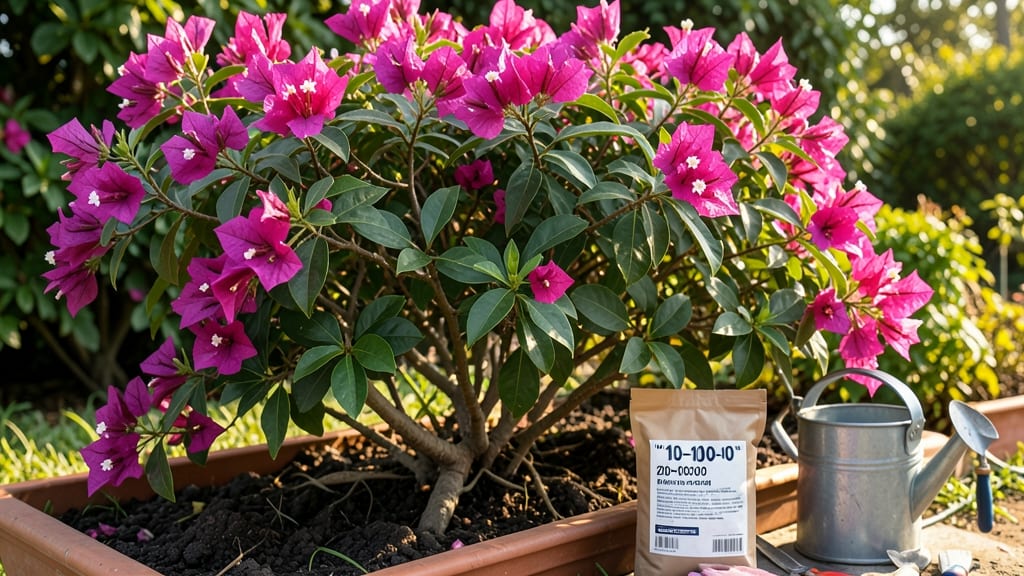
Best acidic fertilizers for bougainvillea flowering (pH 5.0-6.5 range)
Your bougainvillea deserves a fertilizer that mirrors its natural, acidic soil preferences—think pH 5.0-6.5 and nutrient ratios designed to push those vibrant bracts into overdrive. The key? A balanced approach with phosphorus to fuel blooms, micronutrients for root health, and the right application timing to avoid leaf burn.
I’ve tested these options in my own tropical garden, and they consistently deliver longer, brighter blooms without stressing the plant.
Bougainvillea thrives on acidic fertilizers that provide a 10-10-10 or 7-7-7 NPK ratio, but the real magic happens when you add micronutrients like iron, magnesium, and zinc. These trace elements prevent chlorosis (yellowing leaves) and keep your plant healthy and blooming year-round.
Whether you prefer organic options like fish emulsion or synthetic blends, the right choice depends on your garden’s pH and your bougainvillea’s current growth stage.
| Fertilizer Type | NPK Ratio | Micronutrients | pH Range | Best For | Application Rate |
|---|---|---|---|---|---|
| Fish Emulsion (Organic) | 5-1-1 | Iron, Zinc, Magnesium | 5.0-6.5 | New growth, root health | 1 tbsp/gallon (monthly) |
| Azomite (Mineral) | 0-0-0 (Trace minerals) | 60+ micronutrients | 5.5-6.5 | Soil remediation, blooms | 1 lb/100 sq ft (annual) |
| Miracle-Gro Acid-Lover (Synthetic) | 12-4-6 | Iron, Manganese | 5.0-6.0 | Quick blooms, container plants | 1 tsp/gallon (weekly) |
| Bone Meal (Organic) | 3-15-0 | Phosphorus, Calcium | 6.0-7.0 (adjust pH) | Root development, blooms | 2 tbsp/plant (spring) |
| Epsom Salt (Mineral) | 0-0-0 (Magnesium) | Magnesium, Sulfur | 5.5-6.5 | Leaf green, bloom boost | 1 tbsp/gallon (monthly) |
For spring blooming, I start with fish emulsion or Azomite to wake up the roots and encourage new growth. These organic options are gentle but pack a punch with micronutrients like iron and zinc, which bougainvillea craves.
During summer’s peak heat, I switch to a balanced synthetic like Miracle-Gro Acid-Lover—it delivers phosphorus for blooms without overwhelming the plant. Just remember: dilute synthetic fertilizers to half-strength to avoid leaf burn.
If your bougainvillea’s leaves start turning yellow between veins, it’s a sign of iron deficiency. A quick fix? Mix 1 tbsp of Epsom salt into a gallon of water and apply it as a foliar spray. This magnesium boost works wonders for chlorosis-prone plants. For
How to apply bougainvillea fertilizer without burning leaves (step-by-step guide)
Bougainvillea plants reward you with stunning blooms when fed properly, but over-fertilizing can quickly turn those vibrant bracts into crispy brown leaves. The key is using the right fertilizer type and application method to avoid nutrient burn while keeping your plant thriving.
Since bougainvillea thrives in acidic soil (pH 5.0-6.5), we’ll focus on gentle feeding techniques that won’t shock your plant’s delicate roots.
Most gardeners make two critical mistakes: using too much fertilizer or applying it at the wrong time. Bougainvillea needs phosphorus-rich food for blooms, but too much nitrogen will send your plant into leafy growth instead of flowering.
Let’s fix that with a simple, foolproof approach that keeps your bougainvillea blooming beautifully without the brown leaves.
- Step 1
- Step 2
- Step 3
- Step 4
- Step 5
- Step 6
Pro tip: If your bougainvillea is container-grown, flush the soil every 3 months to prevent salt buildup from fertilizers. Use rainwater or distilled water for best results, as tap water can contain minerals that alter soil pH over time.
Remember, bougainvillea blooms best when stressed slightly—just enough to trigger flowering but not enough to burn. By following these steps, you’ll avoid those crispy brown leaves while keeping your plant covered in vibrant bracts all season long. Happy gardening! 🌸