
Flowers
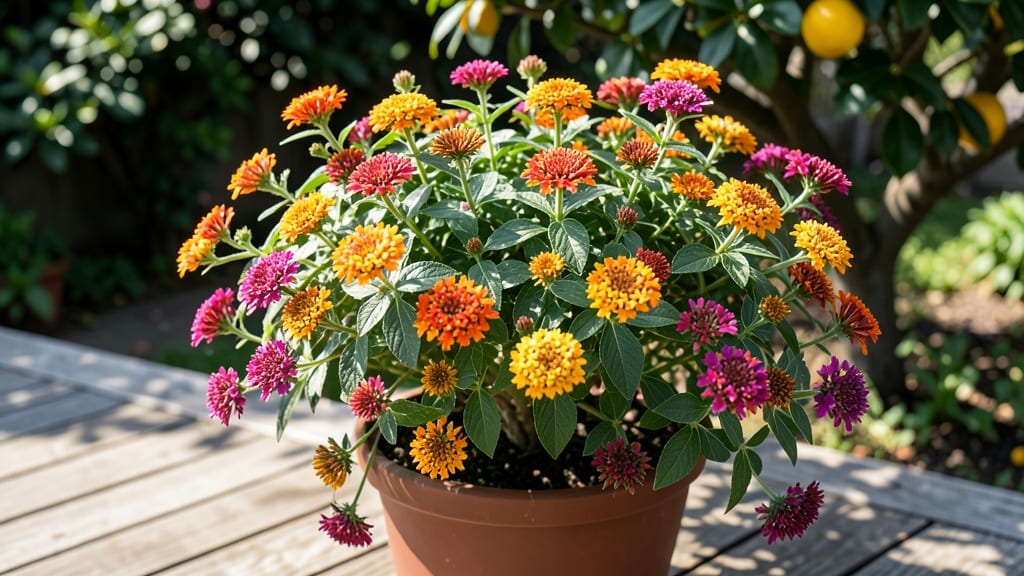
There’s nothing quite like watching a butterfly land on a cluster of lantana flowers 🌸—it’s like your garden just became a stage for nature’s most graceful performers. But here’s the secret: lantana isn’t just pretty; it’s a pollinator powerhouse, designed to lure butterflies with its nectar-rich blooms and long-lasting flowers.
If you’ve ever dreamed of turning your yard into a buzzing, fluttering paradise, lantana is your best ally. This hardy shrub thrives in USDA Zone 6a and beyond, offering season-long color from spring through fall.
The key? Planting it right and pairing it with the right companions to create a butterfly buffet.
I’ll show you exactly how to maximize those visits—from the perfect planting window to companion plants that keep butterflies coming back. Plus, we’ll cover common mistakes that might be keeping them away. Ready to transform your garden into a pollinator hotspot?
Let’s dive into the simple steps that’ll have butterflies flocking to your lantana before you know it.
Why lantana flowers are a butterfly’s favorite plant (and how to grow them)
Lantana flowers aren’t just stunning—they’re a butterfly’s dream thanks to their nectar-rich blooms and long flowering season. These vibrant clusters produce copious amounts of nectar, making them irresistible to pollinators like monarchs, swallowtails, and fritillaries.
The secret lies in their clustered flower heads, which provide both food and shelter for butterflies throughout the growing season.
Butterflies aren’t the only fans—lantana also attracts bees, hummingbirds, and beneficial insects. This makes it a multi-purpose pollinator magnet that keeps your garden buzzing with activity.
The key to maximizing butterfly visits is creating the right conditions, starting with proper planting techniques that ensure your lantana thrives from spring through fall.
To grow lantana that butterflies can’t resist, start with the right location. These plants thrive in full sun, so choose a spot that receives at least 6 hours of direct sunlight daily.
Lantana is remarkably adaptable to different soil types, but it prefers well-draining soil to prevent root rot. If your soil is heavy clay, consider amending it with compost or sand to improve drainage.
When planting, space your lantana 2-3 feet apart to allow for proper air circulation, which helps prevent fungal diseases. The ideal planting window is after your last frost date, typically April or May in USDA Zone 6a.
For container growing, use pots with drainage holes and a balanced 10-10-10 fertilizer to encourage lush growth and abundant blooms.
Watering is simple once established—lantana is drought-tolerant but benefits from deep watering every 3-5 days during its first growing season. Always water in the morning to allow foliage to dry quickly, reducing the risk of fungal infections.
Once your lantana reaches maturity, you can reduce watering to every 5-7 days or even less during dry spells.
Pruning plays a crucial role in keeping your lantana bushy and blooming. After the first flush of flowers in late spring, give your plant a light trim to encourage new growth. Deadhead spent blooms throughout the season to promote continuous flowering.
In late fall, you can cut back one-third of the plant to prepare for the next growing season—just avoid heavy pruning in early spring when new growth is just beginning.
For maximum butterfly attraction, pair your lantana with companion plants that provide additional nectar sources. Try planting milkweed (for monarchs), bee balm, or coneflowers nearby. These plants create a pollinator buffet that keeps butterflies visiting your garden all season long.
Avoid using pesticides, as even residual chemicals can harm these delicate visitors.
With these simple steps, your lantana will become the star of your pollinator garden, drawing butterflies in droves. The key is creating a welcoming environment that provides food, shelter, and safe habitat.
Before you know it, your garden will be aflutter with these beautiful insects, making every sunny afternoon a delightful spectacle.
5 Proven tips to attract even more butterflies to your lantana garden
Planting lantana is just the first step to creating a butterfly haven. To truly transform your garden into a buzzing pollinator paradise, you need to think like a butterfly.
These delicate visitors aren't just drawn to flowers—they need water sources, safe resting spots, and a variety of nectar sources throughout the year. Let's explore five actionable strategies that will have butterflies flocking to your lantana like never before.
First, consider adding a shallow water source. Butterflies don't sip from puddles like birds—they need muddy water sources where they can safely drink. Create a simple butterfly watering station by filling a shallow dish with sand and water.
The gritty texture gives them purchase while drinking, and they'll return daily. Place it near your lantana where they can easily access both water and nectar.
Next, strategically place companion plants that provide additional resources. Native milkweed is essential for monarch butterflies, particularly if you want to support their lifecycle. Plant it within 10 feet of your lantana to create a pollinator corridor.
Other excellent companions include bee balm, which blooms from summer through fall, and coneflowers that thrive in similar conditions. These plants extend the feeding season for butterflies when lantana's blooms begin to fade.
Creating pesticide-free zones is crucial for butterfly survival. Even residual chemicals from lawn treatments can harm these delicate insects. Establish a 20-foot buffer around your lantana where you avoid all chemical treatments. Instead, use organic pest control methods like neem oil or introduce beneficial insects like ladybugs.
This safe haven will encourage butterflies to stay longer and bring their larvae to feed on your plants.
For year-round attraction, incorporate seasonal bloomers that provide continuous nectar. In early spring, plant columbine or violets to kickstart butterfly activity. Summer favorites like black-eyed susans and bee balm will keep them coming, while fall-blooming asters and goldenrod extend the season.
This layered approach ensures butterflies have food sources at every stage of their lifecycle, from caterpillar to adult.
Finally, resist the urge to clean up completely in fall. Leave some seed heads and dried flowers on your lantana and companion plants. These provide essential shelter and overwintering sites for caterpillars and adult butterflies.
Many butterfly species rely on these natural structures to survive cold winter months. Plus, the seeds often attract birds that help disperse your plants naturally, creating an even more vibrant ecosystem next year.
With these five strategies, your lantana garden will become a true butterfly hotspot. Remember, butterflies are drawn to gardens that feel like a natural ecosystem rather than a perfectly manicured landscape.
Embrace a little wildness, provide essential resources, and watch as your garden transforms into afluttering paradise that delights both you and these beautiful pollinators all season long. 🌿🦋