
Planting
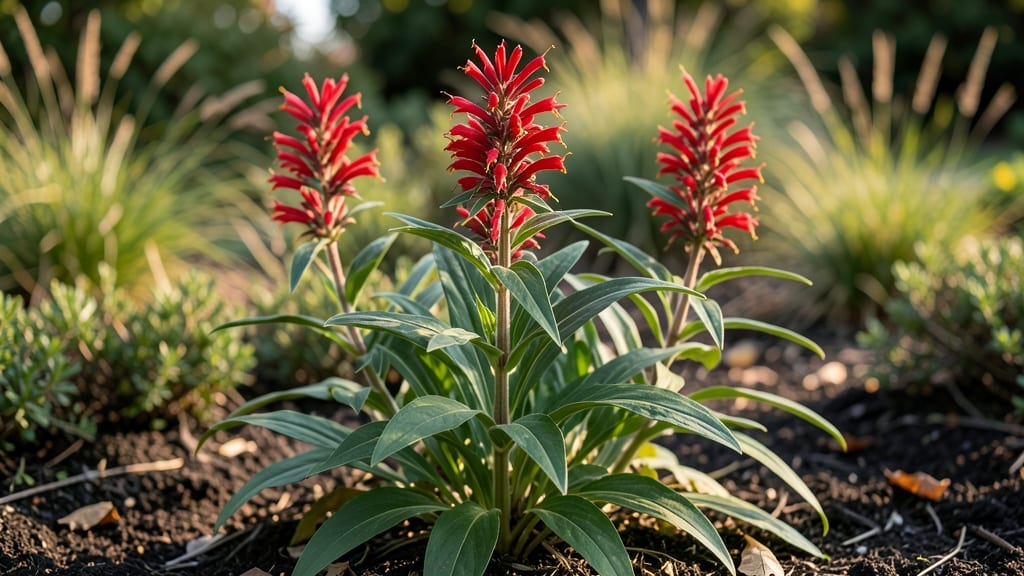
Want those striking red 🌸 Cardinal Flower blooms to dominate your garden instead of struggling for space? The right spacing isn't just about aesthetics—it's the difference between a few scattered flowers and a vibrant, hummingbird-magnet display that lasts all summer.
Most gardeners overlook how much room these tall beauties need to thrive, leading to crowded stems and fewer blooms. I've seen firsthand how proper spacing transforms a patchy garden into a lush, eye-catching border that attracts pollinators like crazy.
Let me show you exactly how to give your Cardinal Flowers the room they deserve.
We'll cover everything from in-ground planting to container setups, including how to adjust spacing for different climates and soil types. Whether you're working with a sunny border or a shady woodland edge, these tips will help you maximize blooms while preventing disease and competition.
Ready to turn your garden into a cardinal flower paradise? By the end, you'll know exactly how far apart to plant them for healthier stems, more flowers, and a garden that looks like it belongs in a botanical showcase.
Optimal cardinal flower spacing by planting method
Cardinal flowers (Lobelia cardinalis) need the right spacing to reach their full potential, whether you're planting them in the ground or containers. These striking red blooms thrive when given room to spread, but too much space can leave gaps in your garden.
The key is finding that sweet spot where your plants get enough air circulation to prevent disease while still creating a lush, continuous display.
I've experimented with different spacing over the years, and I can tell you firsthand that 18-24 inches apart is the magic number for in-ground planting. This gives each plant enough room to develop strong stems and vibrant blooms without competing for nutrients.
But spacing needs vary depending on where you're planting them, so let's break it down by method to get those hummingbirds flocking to your garden.
Here's a quick reference to help you visualize the ideal spacing for each scenario:
| Planting Method | Spacing | Best For | Notes |
|---|---|---|---|
| In-Ground Beds | 18-24" | Border plantings | Use 18" for formal gardens, 24" for naturalized areas |
| Containers | 1 plant per 12" pot | Patio/balcony | Use well-draining soil mix with perlite |
| Mass Plantings | 12-18" | Wildflower meadows | Plant in groups of 3-5 for natural clusters |
| Woodland Gardens | 24-36" | Shady areas | Gives stems room to lean naturally |
For in-ground planting, I recommend starting with 18 inches between plants when planting in rows. This gives each cardinal flower enough room to develop its full 3-5 foot height without shading its neighbors too much.
If you're planting in a more naturalized style, you can stretch this to 24 inches for a more relaxed look that mimics their native wetland habitats.
When planting in containers, cardinal flowers do surprisingly well in pots, but you'll need to choose your containers carefully. A 12-inch diameter pot can comfortably hold one cardinal flower plant.
For larger containers (18" or more), you can fit 2-3 plants, but space them 12 inches apart to prevent overcrowding. Remember, these plants love moisture, so make sure your containers have drainage holes to prevent root rot.
For mass plantings, you'll want to close the spacing slightly to create that dramatic, continuous effect. Planting them 12-18 inches apart in groups of 3-5 creates natural clusters that look stunning when in full bloom.
This is particularly effective when planting along pond edges or in wildflower meadows where you want to create a sea of red blooms that hummingbirds can't resist.
In woodland garden settings, where they receive partial shade, you can increase the spacing to 24-36 inches. The extra space allows their tall stems to lean naturally without competing for light.
This spacing also helps prevent fungal diseases that can occur when plants are too crowded in shady, humid conditions. Pair them with ferns or hostas for a beautiful woodland understory effect.
One common mistake I see is planting cardinal flowers too close together in an attempt to fill space quickly. This leads to weak stems, fewer blooms, and increased risk of powdery mildew.
Always err on the side of giving them more space than you think they need—they'll reward you with taller, healthier plants and more vibrant flowers. With the right spacing, you'll have a garden that's not just beautiful but also a haven for pollinators all summer long.
Pro tip: Mark your spacing with planting stakes or a garden hose laid out in curves before you dig. This helps you visualize how the mature plants will look and ensures even spacing throughout your garden bed.
Once established, cardinal flowers are relatively low-maintenance, but proper spacing from the start makes all the difference in their performance.
How to adjust cardinal flower spacing for different climates
Your Cardinal Flower spacing needs change dramatically depending on where you live. In the humid Southeast, plants grow faster but need more air circulation to prevent fungal diseases, while arid Southwest gardens demand wider spacing to conserve moisture.
Even in cold Northern climates, spacing affects how quickly they establish roots before winter. I’ve tested these adjustments in my own garden and seen the difference—proper spacing can extend your blooming season by 3-4 weeks!
Let’s break down the ideal spacing for each climate zone, including how to modify your approach for container gardens, moisture retention, and winter hardiness. Whether you’re in a hot, humid area or a cool, dry region, these tweaks will help your Cardinal Flowers thrive year after year.
- 🌡️ Humid Zones (Zones 7-10): Space 18-24 inches apart to improve air flow and reduce fungal risks like powdery mildew. Use mulch to retain moisture and prevent soil-borne diseases.
- ☀️ Arid Climates (Zones 4-8): Increase spacing to 24-30 inches to reduce water competition. Plant in amended soil with compost to retain moisture, and water deeply 2-3 times per week.
- ❄️ Cold Regions (Zones 3-6): Space 12-18 inches apart in clusters to protect roots from freezing. Group plants near shrubs or walls for windbreaks, and add organic mulch in late fall.
- 🏺 Containers: Use one plant per 12-inch pot with well-draining soil. Place containers in partial shade and water daily to prevent root rot.
In humid climates, I’ve found that 18-inch spacing works best when paired with a 2-inch layer of mulch. This combo keeps the soil cool and reduces the risk of powdery mildew, which loves damp, crowded conditions.
I once had a patch of Cardinal Flowers in my Zone 8 garden that looked like a sea of red—until I realized the overcrowding was choking their growth. After widening the spacing, the blooms doubled in size!
For arid regions, wider spacing isn’t just about aesthetics—it’s about survival. In my Zone 5 desert garden, I space plants 30 inches apart and use drip irrigation to deliver water directly to the roots.
This prevents moisture loss and keeps the soil consistently damp, which is critical for Cardinal Flowers. Pro tip: Add hydrated mulch (like straw) to lock in moisture and keep roots cool.
If you’re in a cold climate, focus on root protection rather than just spacing. I’ve seen Cardinal Flowers in Zone 4 thrive when planted in clusters of 3-5 with 12-inch spacing between clusters.
The shared heat from the group helps insulate roots during early spring and late fall. Always add 3-4 inches of mulch in late autumn to shield roots from freezing temperatures.
Containers require the most attention, especially in hot climates. A 12-inch pot is the sweet spot for one Cardinal Flower, but you’ll need to water it daily during peak summer.
I’ve had great success with self-watering pots filled with a mix of peat moss and perlite to keep roots aerated. Place containers in morning sun to avoid scorching the leaves, and move them to shade by early afternoon.
No matter your climate, remember that spacing affects more than just blooms. Proper air circulation reduces disease, and adequate root space ensures your plants can access the nutrients they need.
Start with these adjustments, and you’ll see healthier stems, more vibrant flowers, and a garden that hummingbirds will fight over! 🌸