
Planting
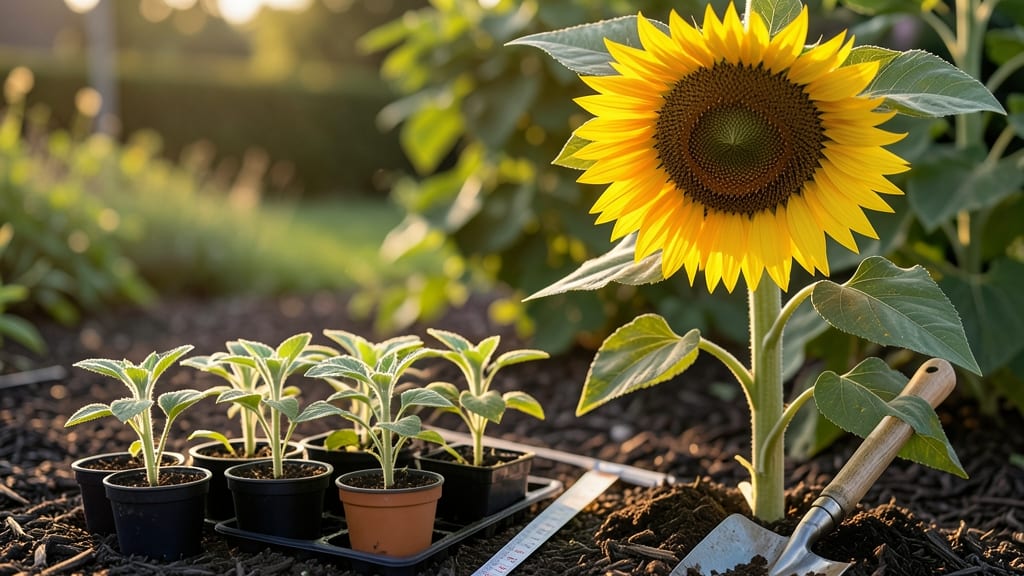
How far apart to plant mammoth sunflowers is the key to unlocking their full potential—crowding these giants (🌻) into tight spaces is like forcing a 12-foot-tall friend into a closet, and the results are just as frustrating. These towering beauties need room to stretch their roots and soak up sunlight, or you’ll watch them fight for nutrients instead of reaching their full potential.
Most gardeners swear by 12–18 inches between plants, but the right spacing depends on your soil, climate, and even the variety. Get it wrong, and you’ll deal with weak stalks, fewer blooms, or worse—disease from poor airflow. Let’s break down the science so your sunflowers thrive, not just survive.
Whether you’re working with a sprawling backyard or a cozy container, I’ll show you how to maximize space without sacrificing those dramatic, sun-drenched blooms. Plus, we’ll cover companion plants and clever tricks to squeeze in more sunflowers—even in tight spots.
Ready to grow mammoth sunflowers that steal the show? Let’s get your spacing strategy nailed down for a garden that’s as healthy as it is stunning.


Optimal spacing for mammoth sunflowers by variety and growth conditions
Mammoth sunflowers need careful spacing to reach their full 12–16-foot potential. Too close, and they’ll compete for nutrients and sunlight, leading to weak stalks and disease. Too far apart, and you’ll waste garden space.
The right spacing depends on your sunflower variety, soil type, and climate zone. Let’s break it down so your sunflowers thrive from seed to towering bloom.
Most mammoth sunflower varieties like 'Mammoth Russian' and 'American Giant' thrive with 18–24 inches between plants. However, soil fertility and moisture levels can shrink or expand this range. In poor soil, give them extra room (24–36 inches) to compensate.
In rich, loamy soil, you can reduce spacing to 18 inches without sacrificing height or flower size.
Here’s how spacing affects your sunflowers:
- Stalk strength: Tighter spacing (12–18 inches) can cause stalks to lean or snap under wind or rain.
- Flower size: Overcrowding reduces sun exposure, leading to smaller blooms and fewer seeds.
- Disease resistance: Proper airflow (18+ inches) prevents fungal issues like powdery mildew.
For container gardening, mammoth sunflowers need large pots (5+ gallons) with one plant per container. Use a lightweight potting mix to prevent tipping and add stakes or cages for support. In small gardens, consider vertical trellises to save space while maintaining airflow.
In USDA Zones 3–5, plant mammoth sunflowers 18–24 inches apart in rows spaced 3 feet apart to allow for future growth and easy maintenance. In warmer zones (6–9), reduce spacing to 18 inches but increase row spacing to 4 feet to improve airflow and reduce heat stress.
If you’re growing mammoth sunflowers for cut flowers, prioritize 18–24 inches of space to maximize stalk strength and longevity. For seed production, widen spacing to 24–36 inches to ensure full sun exposure and prevent disease spread.
Always thin seedlings to the recommended spacing once they reach 4–6 inches tall.
Pro tip: Use a string or tape measure to mark spacing before planting. This prevents overcrowding and ensures even sunlight distribution. After planting, mulch with straw or wood chips to retain moisture and suppress weeds, which can compete with your sunflowers for space and nutrients.
Remember, proper spacing isn’t just about numbers—it’s about creating an environment where your mammoth sunflowers can thrive without competing. With the right distance, you’ll enjoy taller stalks, larger blooms, and healthier plants all season long. Happy planting!
Common spacing mistakes that stunt mammoth sunflower growth (and how to fix them)
Even with the right variety and soil, mammoth sunflowers often fail to reach their full height because of spacing mistakes. The most common error? Planting too closely—many gardeners assume these giants can handle tight quarters like smaller varieties.
But when you cram them into 12-inch or less spacing, you’re essentially forcing them to compete for every drop of water and ray of sunlight.
Another frequent misstep is ignoring wind exposure. Tall sunflowers need room to sway without toppling. In open areas, I’ve seen 18-inch spacing turn into a disaster when strong winds snap weak stalks.
Even worse? Poor soil preparation before planting—skipping compost or drainage tests can make spacing adjustments meaningless if roots can’t access nutrients.
The minimum safe spacing for mammoth sunflowers is 18 inches, but this changes based on:
- 🌱 Variety: 'Russian Giant' needs 24–36"
- 💧 Soil type: Clay soil? Add 12" extra
- 🌬️ Wind exposure: Open areas? Use 36" spacing
- ☀️ Sunlight: Shady spots? Reduce to 18" max
Pro Tip: Mark rows with wooden stakes or string lines before planting to avoid guesswork.
Let’s diagnose the most common spacing-related problems. If your mammoth sunflowers show yellowing leaves or stunted growth, check your spacing against this crowding severity chart. For example, stalks under 6 feet tall with yellowing lower leaves often signal overcrowding (12" or less spacing).
The fix? Thin to 18–24 inches immediately and add compost to boost root growth.
Another red flag is leaning stalks. This usually means your plants are competing for light—common in tight rows (under 3 feet apart). To correct this, widen row spacing to 3–4 feet and stake taller varieties for support.
I’ve also seen gardeners overlook wind exposure in open fields, leading to snapped stalks. If your area gets strong winds, increase spacing to 36 inches and consider windbreaks.
For container gardeners, the biggest mistake is underestimating pot size. Mammoth sunflowers in 5-gallon pots need one plant per container—any more, and roots will circle, causing stunted growth.
Always use lightweight potting mix and rotate containers daily to ensure even sunlight exposure. If you’re growing in small spaces, try vertical trellises to save room while maintaining proper airflow.
Finally, don’t forget to thin seedlings early. Many gardeners plant seeds 6–12 inches apart but forget to thin once they sprout. This leads to overcrowded seedlings that weaken as they compete.
Thin to your target spacing when plants reach 4–6 inches tall—it’s a small effort that pays off with taller, healthier stalks.
By fixing these spacing mistakes, you’ll give your mammoth sunflowers the room they need to thrive. Next time you’re planting, measure twice and space wisely—your sunflowers will thank you with dramatic, towering blooms that steal the show. 🌻