
How To
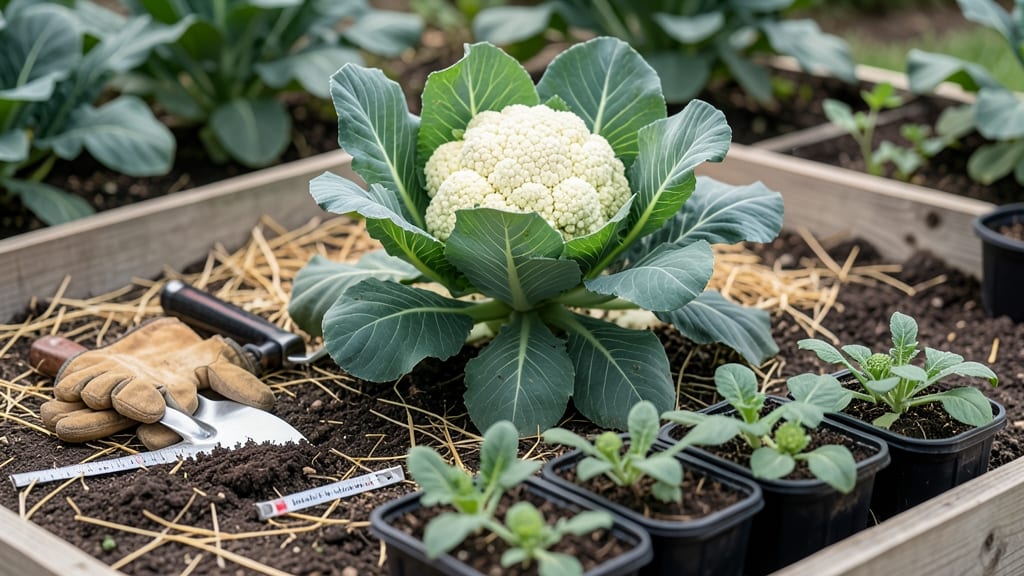
Figuring out how far apart to plant cauliflower is like solving a puzzle—get it wrong, and your harvest turns into a sad, crowded mess. If you’ve ever pulled up a lumpy, bitter head from your garden, you know the frustration. The truth? Spacing matters more than you think, and getting it right means the difference between grocery-store cauliflower and the kind you’ll brag about at potlucks.
Most gardeners assume "close enough" will do, but 18–24 inches apart is the sweet spot for 🥬 to thrive. Why? Because proper spacing prevents disease, ensures airflow, and lets those heads grow plump and tight—not stringy or stunted.
And if you’re working with limited space or giant varieties like ‘Cheddar,’ I’ll show you how to tweak those numbers without sacrificing yield.
Whether you’re planting in rows, raised beds, or containers, the rules change slightly. I’ll break down the exact measurements you need, plus pro tips for adjusting spacing based on your soil, climate, and even companion plants. No more guessing—just stress-free, high-yield cauliflower every time.
Ready to stop the crowding chaos? Let’s dive into the spacing secrets that’ll transform your garden from "meh" to "wow." Your next harvest will thank you.


Cauliflower spacing guidelines: exact measurements for perfect heads
Cauliflower plants may look delicate, but they need ample space to develop those tight, flavorful heads you crave. Spacing isn’t just about fitting more plants in—it’s about airflow, sunlight access, and preventing disease. When you plant too close, you’ll end up with small, bitter heads or worse—fungal infections like clubroot or downy mildew.
But get the spacing right, and you’ll grow cauliflower heads that are dense, sweet, and uniform.
The golden rule for cauliflower spacing is 18–24 inches apart, whether you’re planting in rows or a raised bed. This range works for most standard varieties, but Romanesco and giant varieties like ‘Cheddar’ need even more room—up to 30 inches apart.
Think of it like giving each plant its own personal bubble to thrive without competing for nutrients or sunlight.
Here’s the science behind it: Cauliflower plants develop broad leaves that shade the soil and heads below. Without proper spacing, leaves overlap, trapping moisture and creating the perfect conditions for fungal diseases. Plus, crowded plants struggle to access sunlight, leading to weak, leggy growth and poor head formation.
Your soil type also plays a role.
In heavy clay soil, where roots struggle to spread, you’ll want to space plants closer to 24 inches to avoid root competition. Sandy soil, on the other hand, allows roots to expand more freely, so you can plant on the tighter end of the range—18–20 inches apart.
Always loosen the soil before planting to encourage root growth.
Now, let’s talk about rows vs. beds. If you’re planting in rows, space plants 18–24 inches apart within the row and 24–36 inches between rows. This gives you enough walking space to tend to your garden without compacting the soil.
For raised beds, you can plant in a grid pattern with 24 inches between plants in all directions, maximizing your space while still allowing airflow.
Don’t overlook companion planting when planning your layout. Cauliflower pairs well with beans, celery, and onions, which can help deter pests like cabbage moths. However, avoid planting near tomatoes or strawberries, as they can compete for nutrients or attract the same pests.
Strategic spacing lets you interplant these companions without sacrificing your cauliflower’s needs.
Here’s a quick pro tip: Use a string and stakes to mark your planting grid before you drop seeds or seedlings into the ground. This ensures consistency and helps you visualize the final layout. Skipping this step often leads to uneven spacing, which can throw off your entire harvest.
| Variety | Mature Size | Ideal Spacing (inches) | Notes |
|---|---|---|---|
| Standard (e.g., 'Snowball Y Improved') | 18–24 inches tall | 18–24 inches apart | Best for home gardens; compact heads |
| Romanesco (e.g., 'Green Bunching') | 24–30 inches tall | 24–30 inches apart | Fractal-shaped heads need extra room |
| Giant (e.g., 'Cheddar', 'Purple of Sicily') | 30+ inches tall | 30–36 inches apart | Heavy heads require sturdy stems |
| Dwarf (e.g., 'Purple Cape') | 12–18 inches tall | 12–18 inches apart | Great for containers or small gardens |
| Container-Grown | 12–18 inches tall | 1 plant per 5-gallon container | Use dwarf varieties; ensure drainage |
If you’re growing cauliflower in containers, the rules change slightly. Since pots limit root growth, opt for dwarf varieties like ‘Purple Cape’ or ‘Snowball’. Plant one seedling per 5-gallon container, ensuring the pot has drainage holes to prevent root rot.
Containers dry out faster, so monitor soil moisture closely—cauliflower hates soggy roots.
One mistake I see often is planting seedlings too deep. When transplanting, bury only the stem up to the first set of leaves.
If you bury the stem too deeply, it can rot or fail to produce a head. Always firm the soil gently around the base to eliminate air pockets, which can cause the plant to wilt or lean.
Finally, remember that succession planting can help maximize your harvest. Instead of planting all your cauliflower at once, stagger plantings every 2–3 weeks during the growing season. This ensures a continuous supply of fresh heads and prevents overcrowding in your garden layout.
Common mistakes that ruin cauliflower spacing (and how to fix them)
If your 🥬 cauliflower plants look like they’re playing musical chairs, you’re not alone. Many gardeners unintentionally crowd their cauliflower, thinking more plants mean more harvests. But overcrowding actually backfires—leading to stunted growth, bitter flavors, and even disease.
The most common mistake? Planting too close, often just 12 inches apart, which is a recipe for disaster in humid climates.
Even worse, some gardeners go too far the other way, spacing plants 3 feet apart or more, thinking they’re giving their cauliflower room to breathe. But this wastes precious garden space and can leave gaps where weeds take over.
The key is finding that sweet spot—18–24 inches apart—where plants get enough airflow and sunlight without competing for nutrients.
⚠️ WARNING: Overcrowding = Fungal Nightmare
Cauliflower hates poor airflow. When plants are too close, moisture lingers on leaves, creating the perfect conditions for downy mildew and black rot.
These diseases turn your lush green leaves into a sad, slimy mess. Fix it now: Thin seedlings to 18–24 inches apart as soon as they’re 4 inches tall. If you’re already dealing with crowding, snip the weakest plants at the base with clean scissors.
🌱 Pro Tip: Mulch around plants to keep soil moist but reduce surface moisture on leaves.
Another frequent error is ignoring variety size. A Romanesco cauliflower, with its fractal-like heads, needs more space than a standard variety. If you’re growing giant varieties like ‘Cheddar’, bump spacing up to 24–30 inches.
Meanwhile, dwarf varieties like ‘Snowball Y Improved’ can handle 16–18 inches apart. Always check the seed packet for mature plant width—this is your spacing guide.
Let’s talk about soil and climate. In hot, dry climates, you might need slightly wider spacing (24 inches) to reduce competition for water.
But in cool, wet regions, closer spacing (18 inches) can work because plants grow slower and don’t outcompete each other. Test your soil’s drainage first—if it’s heavy clay, wider spacing helps prevent root rot.
If you’ve already planted too close, don’t panic. You can still salvage your patch by thinning aggressively. Start by removing the smallest or weakest seedlings, leaving the healthiest ones with at least 18 inches between them.
For stubborn crowds, consider transplanting some seedlings to a different bed or container. Just be gentle—cauliflower roots are delicate.
Finally, resist the urge to over-fertilize crowded plants. Too much nitrogen makes them grow leggy and leafy instead of forming tight heads. Instead, focus on balanced fertilizer (5-10-10) and consistent watering.
A well-spaced cauliflower garden should look like a neat, airy forest, not a jungle. Your future harvests will thank you!