
Flowers
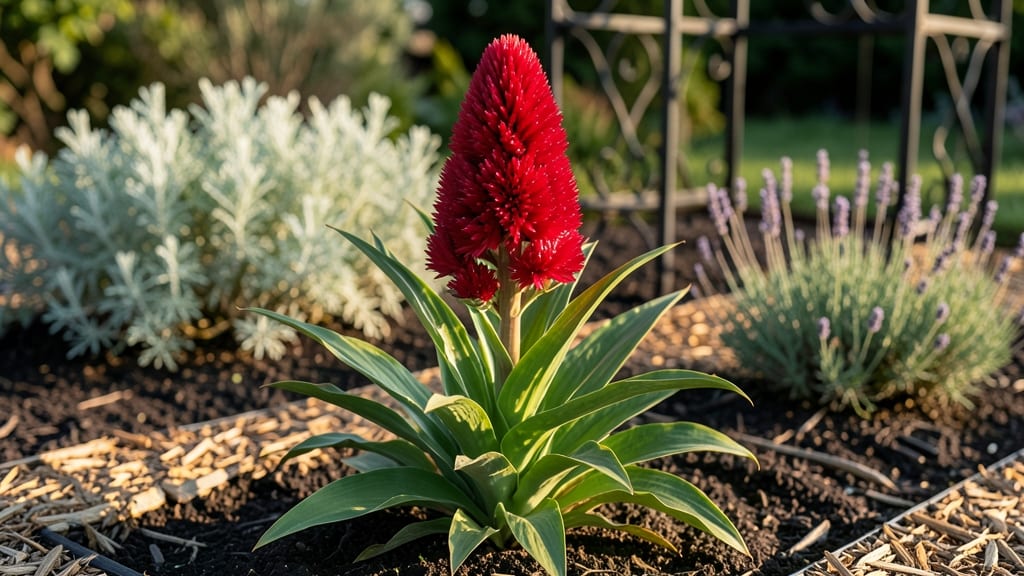
If you’ve ever stared at a seed packet for the celosia flower height and wondered how tall those fiery plumes will really get, you’re not alone.
The celosia flower height can swing wildly—from barely taller than a coffee mug to reaching over your head—depending on the variety and care you give it.
Picture this: 6-inch dwarf varieties spilling over container edges like a living lantern, while their towering cousins stretch toward the sky, demanding space like a sunflower. The good news? You don’t have to settle for whatever nature throws your way.
With the right tricks—like strategic pruning, spacing, or even a pinch of fertilizer—you can coax your 🌸 celosia to hit your perfect height.
Whether you’re working with a cramped patio or a sprawling garden, knowing how to control growth means you’ll never again feel stuck between "too small" and "too tall."
I’ll walk you through the secrets to keeping your plants at just the right stature, so your garden stays as vibrant as the blooms themselves.
Ready to turn your celosia into the star of your space? Let’s dive into the varieties, techniques, and tips that’ll have your plants growing exactly how you want them—no guesswork required.

Celosia flower height variations: dwarf vs. giant varieties explained
When planning your garden, celosia flower height can make or break your design. Some varieties stay under 12 inches, perfect for window boxes, while others shoot up to 3+ feet, creating bold focal points.
The difference isn’t just about space—it’s also about bloom structure, growth habits, and even maintenance needs. Let’s explore how these variations work so you can choose the perfect fit for your garden.
First, understand that celosia height is determined by genetics, but environmental factors like sunlight exposure, soil nutrients, and pruning practices can influence final size. Dwarf varieties, for example, are bred to stay compact, while giant types naturally reach towering heights.
Knowing these distinctions helps you avoid overcrowding or underutilized space in your garden beds.
Dwarf celosia (6–12 inches) are ideal for containers, hanging baskets, or small gardens. Their plumed or crested blooms add vibrant color without overwhelming nearby plants. In contrast, giant celosia (2–3 feet) thrive in borders or as backdrop plants, their bold flower spikes drawing attention from a distance. Both types share heat tolerance and drought resistance, but their height management strategies differ.
| Type | Height Range | Bloom Structure | Best For | Spacing Needs |
|---|---|---|---|---|
| Dwarf Celosia | 6–12 inches | Plumed or crested | Containers, window boxes | 6–12 inches apart |
| Semi-Dwarf Celosia | 1–1.5 feet | Plumed or velvety | Border edges, mixed beds | 12–18 inches apart |
| Standard Celosia | 2–3 feet | Large plumes | Backdrop plants, focal points | 18–24 inches apart |
| Giant Celosia | 3+ feet | Massive velvety spikes | Large borders, cut flowers | 24+ inches apart |
Popular dwarf celosia varieties like 'Impala' series (8–12 inches) or 'Tom Thumb' (6–9 inches) are perfect for container gardening. Their compact growth makes them ideal for balconies or patios, where space is limited.
These varieties often produce bright red, yellow, or orange plumes that last all summer with minimal care.
On the opposite end, giant celosia like 'Chocolate Cherry' or 'Cockscomb Giant' can reach 36+ inches tall. Their bold, velvety blooms make them standout features in large garden beds or as cut flowers. However, their height requires staking or support to prevent flopping, especially in windy conditions.
If you’re unsure which celosia flower height suits your space, consider mixed planting. Place dwarf varieties in the front of borders and taller types in the back. This creates depth and visual interest while maximizing your garden’s potential. Just remember: overcrowding can stunt growth, so always follow spacing guidelines.
For container gardening, choose dwarf or semi-dwarf celosia to avoid root competition. In large landscapes, giant varieties add drama but may need regular pruning to control spread. Always check seed packets for mature height estimates—this ensures you pick the right variety for your vision.
One final tip: pruning young plants can encourage bushier growth in taller varieties, while pinching back dwarf types helps maintain their compact shape. With the right approach, you can customize celosia height to fit any garden, no matter its size.
Now that you’ve explored the height spectrum, you’re ready to pick the perfect celosia varieties for your space. Whether you love tiny containers or towering borders, there’s a celosia that’ll bring your garden to life—just choose wis
How to control celosia flower height: pruning, pinching & spacing tips
Controlling celosia flower height starts with understanding your plant’s natural growth habits.
Whether you’re growing dwarf varieties for containers or tall types for borders, the right techniques can make all the difference. Pruning, pinching, and proper spacing are your best tools to shape your celosia into the perfect size for your garden.
For compact growth, focus on early pinching and regular pruning to encourage bushier, shorter stems. If you’re dealing with tall celosia varieties, strategic spacing and staking can prevent flopping while keeping them upright. Let’s break down the exact steps to achieve your desired 🌸 celosia height effortlessly.
Start with dwarf varieties (like ‘Impatient’ or ‘Tom Thumb’) for containers or tall types (like ‘Cockscomb’) for borders. This sets your baseline height.
When seedlings reach 4-6 inches, pinch off the top set of leaves to encourage branching. Repeat every 2-3 weeks for bushier growth.
Trim 1/3 of the plant when it reaches half its desired height. Use clean bypass pruners and remove spent blooms to redirect energy.
Dwarf celosia: 6-12 inches apart. Tall varieties: 18-24 inches apart. Proper spacing reduces competition and prevents leggy growth.
Use a balanced fertilizer (5-10-10) every 4-6 weeks to promote compact growth. Avoid over-fertilizing, which can lead to tall, weak stems.
Insert bamboo stakes or use tomato cages for varieties over 2 feet. Secure stems gently to prevent flopping.
Don’t forget that soil quality plays a role too. Well-draining, nutrient-rich soil helps celosia stay sturdy. If your plants start leaning, it’s a sign they need more support or better growing conditions.
With these 6 simple steps, you’ll have celosia that fits your garden perfectly—whether you want a compact container display or a dramatic border. Try one technique at a time to see what works best for your space! 🌱
Pro tip: For extra compact growth, try growing celosia in smaller pots. Root-bound conditions naturally stunt height while encouraging bushier blooms. Just ensure pots have drainage holes to prevent soggy soil.