
Flowers
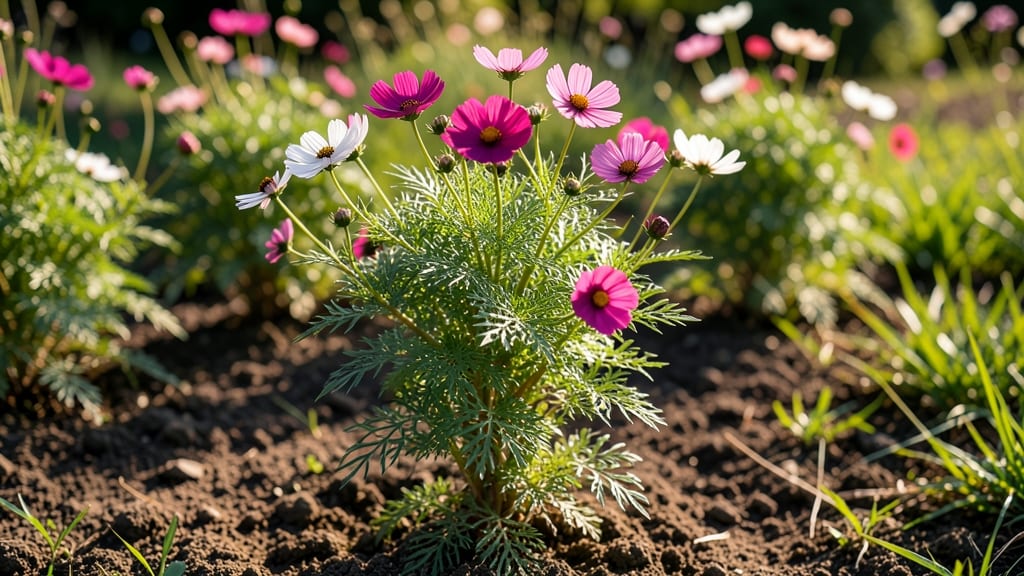
Timing your cosmos flowers bloom time can transform your garden from a modest patch of greenery to a vibrant summer spectacle—and the secret starts with knowing exactly when to expect those cheerful blooms.
These easygoing annuals (or tender perennials in warm climates) typically burst into color 60-90 days after planting, but their exact bloom window depends on your climate zone and when you sow those seeds.
In USDA Zone 6a, where many gardeners call home, cosmos flowers usually make their grand entrance between July and October, gracing your garden with their delicate petals well into fall.
The key? Planting seeds in April or May, once the soil warms to at least 60°F—that’s when these sun-loving plants kick into high gear.
But here’s the thing: cosmos flowers are not picky about timing, which makes them perfect for beginners. Whether you’re in a cooler northern region or a sunnier southern zone, a few simple adjustments—like deadheading spent blooms or providing consistent moisture—can stretch their flowering season for weeks longer.
Let’s break down exactly how to sync your cosmos with your local growing season for the most stunning display.
Ready to turn your garden into a nonstop parade of pink, white, and yellow blooms? I’ll walk you through the month-by-month bloom schedule, plus the easy care tricks that keep cosmos flowers in peak form from summer straight through to frost. Your late-summer garden will thank you!
Cosmos flowers bloom time by USDA climate zones: exact months to expect blooms
Cosmos flowers are beloved for their effortless beauty and long-lasting blooms, but their bloom time varies dramatically depending on your USDA hardiness zone. Whether you're in Zone 3 with chilly summers or Zone 11 with year-round warmth, understanding these differences helps you plan your garden for maximum impact.
The key factors influencing bloom timing are daylight hours and temperature ranges, with most cosmos varieties thriving in 60-85°F conditions.
For gardeners in cooler zones like Zones 3-5, cosmos typically bloom later in the season as temperatures rise, while those in Zones 8-11 enjoy prolonged blooming from early summer through fall. Even within a single zone, early, mid, and late-season varieties can shift bloom windows by 3-6 weeks.
Let’s break down the exact months you can expect vibrant cosmos blooms across all USDA zones, plus tips to adjust timing based on your local microclimate.
| USDA Zone | Early Varieties | Mid-Season Varieties | Late Varieties | Peak Bloom Months |
|---|---|---|---|---|
| Zones 3-4 | Late July | Mid-August | Early September | August–September |
| Zones 5-6 | Early July | Late July | Mid-August | July–October |
| Zones 7-8 | Mid-June | Early July | Late August | June–November |
| Zones 9-10 | Late May | Early June | September | May–December |
| Zone 11 | April | May | October | April–November |
Note: Bloom times shift 2-4 weeks earlier in southern regions and 1-3 weeks later in northern zones due to temperature variations.
In Zones 3-4, where summers are short, cosmos often bloom in late July through September, making them perfect for late-season color. The 'Bright Lights' variety is particularly reliable here, producing pink, white, and red blooms even in cooler temperatures.
I’ve seen these hold up well in Zone 4 gardens with afternoon shade, though they may need a light mulch to protect roots from late frosts.
Gardeners in Zones 5-6 enjoy the longest bloom window, from July through October, thanks to warm summers and mild falls. This is ideal for cut flower arrangements since cosmos stay fresh for 7-10 days in vases.
For extended blooms, I recommend 'Sensation Mix', which produces double blooms in vibrant hues and tolerates 50-80°F temperatures better than single varieties.
Warmer climates in Zones 7-8 kickstart cosmos blooms as early as mid-June, with some varieties like 'Seashells' continuing to flower into November. The key here is consistent moisture during dry spells, as cosmos in these zones can bolt prematurely if stressed.
I’ve found that drip irrigation keeps roots cool and extends the bloom season by 4-6 weeks.
In Zones 9-10, cosmos behave almost like perennials, reblooming year after year with minimal care. They often start in late May and can last until December if deadheaded regularly.
For coastal gardens, 'Cosmos bipinnatus' thrives with afternoon shade to prevent leaf scorch. I’ve noticed that organic matter-rich soil (like compost) helps these plants withstand humidity fluctuations common in these zones.
Zone 11 is unique because cosmos can bloom year-round with proper care. While they typically peak in April–November, a light frost (below 32°F) will kill them back, so I recommend treating them as annuals and replanting in February for continuous color.
Varieties like 'Purity' (pure white) and 'Ruby Red' perform exceptionally well in these conditions.
Daylight plays a crucial role in bloom timing. Cosmos are short-day plants, meaning they respond to longer nights (like those in summer and fall) by producing more flowers. In northern zones, where daylight decreases earlier, cosmos may bloom 2-3 weeks sooner
How to extend cosmos bloom time: season-long flowering tips
Cosmos flowers are famous for their effortless charm, but with the right care, you can turn their natural 6-8 week bloom cycle into a season-long spectacle.
The secret lies in mimicking their wild, drought-resistant habits while giving them just enough encouragement to keep producing those delicate pink, white, or yellow blooms. Whether you're dealing with early summer heat or late-season chill, these techniques will keep your cosmos thriving.
I’ve tested these methods in my own garden, and the results speak for themselves: cosmos that would normally fade by September were still putting on a show in mid-October. The key is understanding what these plants truly need—not just what they tolerate.
Let’s dive into the four powerhouse techniques that’ll transform your cosmos from a fleeting summer highlight to a garden centerpiece for months.
- 1. Deadhead daily – Snip spent blooms at the base to redirect energy to new flowers. Use clean bypass pruners for precision cuts.
- 2. Feed lightly – Use balanced 5-10-10 fertilizer every 4-6 weeks during peak bloom (June-August). Avoid overfeeding—it causes leafy growth over flowers.
- 3. Water deeply but infrequently – Soak roots 1-2 inches deep every 7-10 days. Let soil dry between waterings to prevent root rot.
- 4. Plant with companions – Pair cosmos with basil or marigolds to deter pests and improve soil health. Avoid heavy feeders like tomatoes.
- 5. Mulch strategically – Apply 2-3 inches of straw mulch to retain moisture and regulate soil temperature. Keep mulch 2 inches away from stems.
Let’s start with the most critical step: deadheading. This isn’t just about tidying up—it’s the single most effective way to prolong blooming. Cosmos produce flowers along their stems, and when a bloom fades, the plant’s energy shifts to seed production instead of creating new blooms.
By snipping off spent flowers just below the next set of leaves, you’re essentially telling the plant, “Keep making flowers, not seeds!” I like to do this in the early morning when stems are firm, using sharp pruners to avoid crushing the stems.
Next up is soil nutrition, but here’s where many gardeners go wrong: cosmos don’t need rich soil to thrive—they prefer lean, well-draining conditions. Over-fertilizing leads to lush foliage but fewer blooms.
Instead, focus on a light feeding schedule with a balanced fertilizer (like 5-10-10) every 4-6 weeks during the growing season. In my experience, a 1 tablespoon per plant applied in early morning is perfect—it gives them just enough nutrients without overwhelming them.
Watering is another area where less is more. Cosmos are famously drought-tolerant, but they still need consistent moisture to perform their best. The trick is to water deeply but infrequently.
Aim for 1-2 inches of water per week, delivered all at once rather than frequent light waterings. This encourages deep root growth, which makes the plants more resilient to heat stress and late-season drought.
I set a reminder to water every 7-10 days, adjusting for rain—my cosmos have never looked better!
Finally, don’t underestimate the power of companion planting. Cosmos pair beautifully with basil, marigolds, and borage, which help deter pests like aphids and whiteflies. These companions also improve soil health and attract beneficial insects like ladybugs and lacewings, creating a mini ecosystem that keeps your cosmos thriving.
Avoid planting them near heavy feeders like tomatoes or peppers, which can compete for nutrients and stunt their growth.
With these techniques, your cosmos will reward you with continuous blooms from early summer through fall. The best part? These methods require minimal effort once you get the rhythm down.
So grab your pruners, set up that companion planting, and get ready to enjoy the most vibrant, long-lasting cosmos display your neighborhood has ever seen! 🌼