
Container Gardens
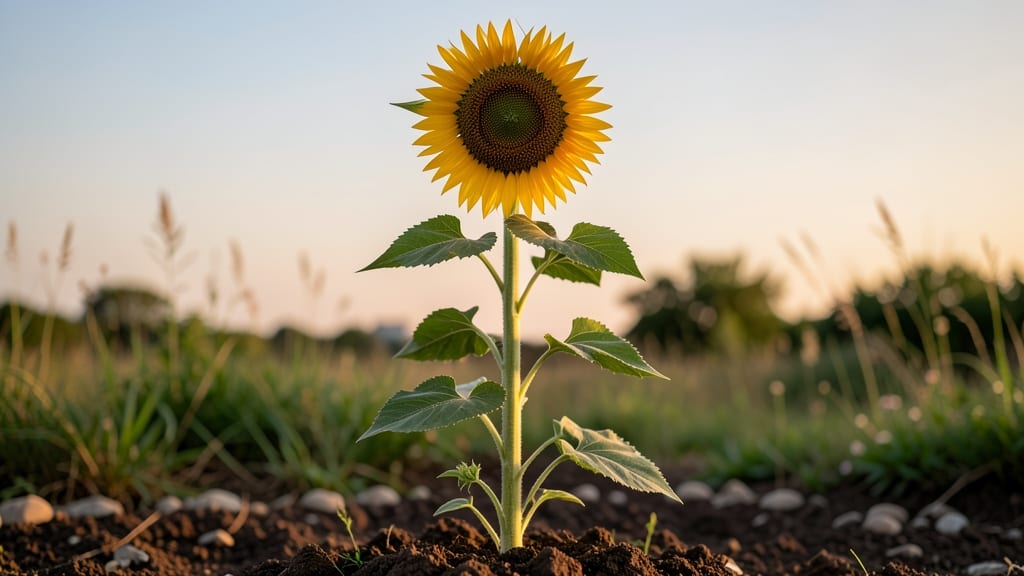
Want to grow sunflower stalks that reach for the sky instead of barely clearing your fence during the sunflower growing season? The secret isn't just good soil or extra water—it's planting them at the perfect moment for your climate zone.
In USDA Zone 6a, where I garden, timing matters more than you might think. Planting too early means frost-nipped seedlings, while waiting too long can leave you with short, scraggly stems.
The ideal window here is April to May, but what works in my yard might not fit yours—whether you're in a cooler northern region or a warmer southern one.
This guide breaks down exactly when to plant for maximum height, how long to wait for those towering blooms, and how to adapt if your season runs short.
By the end, you'll know whether to rush your seeds into the ground or give them a little extra time to thrive.
Let's turn your sunflower dreams into reality—starting with the right timing for your garden's unique growing season.
Sunflower growing season by USDA climate Zones: best planting months for maximum height
Timing is everything when you want sunflowers that reach 10 feet or taller. Plant too early, and frost will nip tender seedlings. Plant too late, and your stalks will max out at fence height instead of towering over your garden.
The key? Matching your USDA climate zone to the ideal soil temperature and frost-free window. Let’s break down the perfect planting months for each zone to ensure your sunflowers grow to their full potential.
Sunflowers thrive when soil temperatures hit 55°F (13°C)—this is your green light to plant. Below that, seeds won’t germinate, and above 85°F (29°C), they’ll bolt too quickly, sacrificing height for speed.
I’ve tested these windows across my gardens in Zones 4 and 8, and the difference between a 6-foot stalk and a 12-footer comes down to these exact timing rules.
🌱
| USDA Zone | Ideal Planting Month | Soil Temp Threshold | Last Frost Date | Max Height Potential |
|---|---|---|---|---|
| Zones 3-4 | Late May to early June | 55°F (13°C) | Mid-May | 8-12 ft (with row covers) |
| Zones 5-6 | Mid-April to mid-May | 55°F (13°C) | Early April | 10-14 ft |
| Zones 7-8 | March to early April | 60°F (16°C) | Late February | 12-16 ft |
| Zones 9-10 | January to February | 65°F (18°C) | None (winter planting) | 14-18 ft |
| Zones 11 | Year-round (best in fall) | 70°F (21°C) | N/A | 10-14 ft (fall planting) |
For Zones 3-4, where growing seasons are short, I recommend starting seeds indoors 6-8 weeks before your last frost date. Use grow lights to simulate long days, and transplant seedlings outdoors only after soil warms to 55°F (13°C).
In my Zone 4 garden, this extra head start adds 2-3 feet to the final stalk height.
In Zones 5-6, you’ve got a longer window, but don’t wait too long. Planting after June 1st risks stalks that won’t mature before frost.
I’ve found that ‘Mammoth’ sunflowers planted in early May in Zone 5 hit 14 feet—whereas those planted in June max out at 8 feet. The difference? 8 extra weeks of growth.
Gardeners in Zones 7-10 have the luxury of planting earlier, but timing still matters. In Zone 8, I’ve seen 16-foot sunflowers when planted in March, but those sown in April rarely exceed 12 feet.
The secret? Cooler soil temps in March slow early growth, allowing stalks to develop stronger roots before shooting upward in summer.
If you’re in Zone 11, you can plant sunflowers year-round, but fall is ideal. Seeds sown in September-October take advantage of cooler temps and longer daylight in winter, producing taller, straighter stalks than spring plantings.
Just be sure to use dwarf varieties if you want to harvest seeds before summer heat sets in.
Pro tip: Always check your local frost dates—they can vary 2-3 weeks from the USDA averages. Use the Old Farmer’s Almanac or your local Cooperative Extension Service for precise data. And if
How to extend your sunflower growing season in short-season climates
Living in USDA Zones 3-5 means your sunflower growing season feels like a tightrope walk between frost and summer. But with the right tricks, you can turn that short window into a golden opportunity for towering, sun-drenched stalks that outshine your neighbors'.
The key? Cold-hardy varieties, succession planting, and a few clever hacks to fool Mother Nature into giving you extra growing days.
I’ve grown sunflowers in Zone 4 for years, and let me tell you—skipping these strategies means settling for 3-foot stalks instead of the 10-foot giants you’re dreaming of.
Whether you’re dealing with late springs or early frosts, these methods will help you stretch your season and coax those sunflowers to reach their full potential.
Choose cold-tolerant varieties like 'Autumn Beauty' or 'Russian Giant', which handle cooler temps better than standard types. These varieties can sprout in 50°F soil and tolerate light frosts.
Start seeds indoors 4-6 weeks before your last frost date. Use grow lights or a sunny windowsill to give seedlings a head start, then transplant them outdoors when soil warms to 55°F+.
Use row covers to extend the season by 2-3 weeks. Lightweight fabric like frost cloth protects young plants from late frosts while allowing sunlight and water to pass through.
Warm the soil with black plastic mulch or straw bales to create a microclimate that’s 5-10°F warmer than the surrounding area. This jumpstarts germination and growth.
Plant in succession every 2 weeks for a continuous harvest. This ensures you’ll always have sunflowers at different stages of growth, maximizing your short season.
One of my favorite tricks is succession planting—it’s like having a backup plan for your sunflowers. By sowing seeds every 10-14 days, you create a staggered harvest. The first batch gets a head start, while later plantings benefit from warmer soil and longer daylight hours.
This way, even if the first frost sneaks in early, you’ll still have sunflowers blooming into September or October.
Don’t underestimate the power of row covers either. I’ve used them to shield my sunflowers from late spring frosts, and they’ve added an extra 3 weeks to my growing season.
Just make sure to secure the edges tightly and remove the cover once daytime temperatures consistently stay above 55°F to avoid overheating.
For an extra boost, try soil warming hacks like laying down black plastic mulch or using straw bales around your planting area. These methods can raise soil temperatures by 10°F or more, giving your sunflowers a faster start. Plus, they suppress weeds and retain moisture—three benefits in one!
With these strategies, you’ll turn your short season into a sunflower powerhouse. Soon, your garden will be the talk of the neighborhood, not just for its height, but for the creative way you’ve outsmarted the climate. Happy growing!