
Flowers
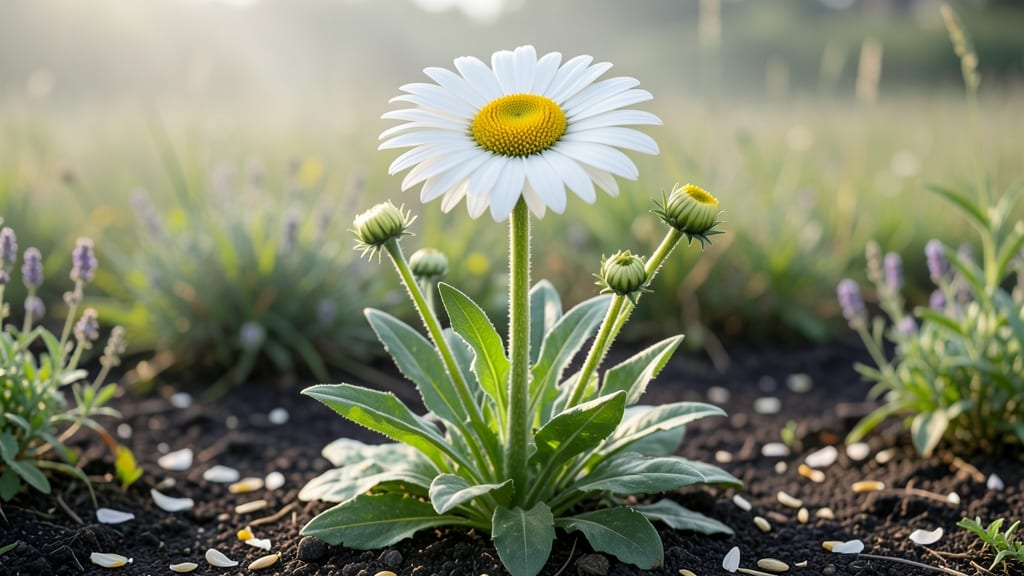
Timing your daisy flower season planting just right can mean the difference between a garden bursting with cheerful 🌼 blooms all summer and a season of disappointment.
The secret to zero-frost daisy success lies in understanding your USDA zone and planting during the optimal window—typically March to April—when the soil warms and frost fears fade.
Whether you're growing daisies for their pollinator-friendly charm, as cut flowers, or to brighten borders, getting the timing right is everything.
I've seen firsthand how a few weeks can shift your blooms from sparse to spectacular, and I'm here to share the exact strategies that work in Zone 6a and beyond.
From choosing the right varieties to extending their seasonal beauty, we'll cover everything you need to know. You'll discover how to plant for maximum impact, when to expect those first vibrant blooms in June, and how to keep them thriving through September—and sometimes even longer.
Let's cut through the guesswork and get your daisies blooming like clockwork, no matter where you garden. Ready to transform your outdoor space with these easy-care favorites?
USDA zone planting calendar for daisy flower season success
Timing your daisy planting by USDA zone ensures vibrant blooms all season long. Whether you grow perennial daisies or annual varieties, understanding your frost-free dates transforms your garden into a pollinator paradise.
My zone-specific calendar covers everything from soil prep to optimal bloom periods, tailored for zones 3 through 11.
Daisies thrive with full sun exposure and well-draining soil, but their planting windows shift dramatically across regions. For example, Zone 3 gardeners plant in early May, while Zone 11 growers can start as early as February.
This variation ensures you avoid frost damage while maximizing bloom duration. Let's dive into the month-by-month schedule that keeps your daisies flourishing year-round.
🌼 Pro Tip: Always amend your soil with compost before planting to improve drainage and nutrient availability. Daisies reward proper soil prep with longer bloom seasons and healthier stems.
| USDA Zone | Planting Window | Frost-Free Target | Soil Prep | Bloom Period |
|---|---|---|---|---|
| 3-4 | Early May | May 15 | Add compost, mulch | July-Sept |
| 5-6 | Mid-April | April 20 | Test pH, loosen soil | June-Oct |
| 7-8 | Early March | March 10 | Mulch heavily | May-Nov |
| 9-10 | February | Feb 1 | Add sand for drainage | March-Dec |
| 11 | January | No frost risk | Well-draining mix | Year-round |
🌱 Note: Adjust for microclimates in mountainous or coastal areas.
In Zones 3-4, where frosts linger late, focus on hardy perennial varieties like Oxeye daisies. These tough beauties tolerate cooler soils and still produce cheerful blooms from July through September.
The key is planting after your last frost date—typically around May 15—and using mulch to insulate roots.
Gardeners in Zones 5-6 enjoy a longer growing season, allowing for both perennial and annual daisies. Start seeds indoors in mid-March or transplant hardened-off seedlings in mid-April.
The June-October bloom window makes these zones perfect for cut flower arrangements and pollinator gardens. Remember to deadhead spent blooms to encourage continuous flowering.
For Zones 7-8, where mild winters prevail, daisies can bloom from May through November. This extended season lets you experiment with tropical varieties like Gerbera daisies, which thrive in warmer climates. Plant in early March and use lightweight mulch to retain moisture during occasional dry spells.
In Zones 9-10, daisies practically bloom year-round with minimal care. The March-December bloom period means you can enjoy continuous color in your garden. Focus on well-draining soil mixes to prevent root rot, especially in heavy clay soils. Annual varieties like African daisies shine here, offering bold colors that last.
If you live in Zone 11, consider yourself lucky—daisies grow with year-round potential! Plant in January for immediate blooms and enjoy non-stop color. Use container gardening to create mobile displays that follow the sun. Just ensure containers have drainage holes to prevent waterlogging.
To maximize your daisy season, always monitor local frost dates and adjust planting times accordingly. For example, mountainous areas in Zone 6 may need to wait until late May, while coastal regions can plant two weeks earlier.
Pay attention to microclimates in your garden—south-facing beds warm up faster than north-facing ones.
How to extend daisy flower season without frost damage
Frost can turn your dreamy daisy garden into a sad, brown memory—but it doesn’t have to! With the right strategies, you can keep those cheerful blooms thriving well into fall and even through light frosts.
The key lies in seasonal adjustments and selecting cold-hardy varieties that won’t wilt at the first chill. Whether you’re growing daisies for pollinators, cut flowers, or just pure joy, these techniques will help you beat the frost and enjoy longer bloom times.
First, let’s tackle the most effective methods to protect your daisies from frost damage. Mulching and deadheading are your best friends, but there’s more to it than that. For example, did you know that some daisy varieties can handle temperatures as low as 15°F (-9°C)?
Choosing the right plants for your USDA zone makes all the difference. Let’s dive into the actionable steps that will keep your daisies blooming beautifully, even as the weather turns cooler.
- 1 Mulch Heavily – Apply 3-4 inches of organic mulch (straw or shredded leaves) around the base to insulate roots from light frosts (28-32°F/-2 to 0°C).
- 2 Deadhead Regularly – Snip spent blooms weekly to redirect energy into new flowers instead of seed production.
- 3 Choose Cold-Hardy Varieties – Opt for Shasta daisies (Zones 5-9) or Oxeye daisies (Zones 3-8) for frost-resistant blooms.
- 4 Adjust Watering – Reduce watering in fall to harden off plants before winter, but keep soil moist (not soggy) during frosts.
- 5 Use Row Covers – Lightweight frost cloth (down to 25°F/-4°C) can protect tender varieties overnight.
One of the easiest ways to extend your daisy season is by deadheading consistently. When you remove faded blooms, you’re telling the plant to focus its energy on producing new flowers instead of seeds.
This simple step can add 4-6 weeks to your bloom time, especially if you combine it with regular feeding. Use clean, sharp pruning shears to snip just above a leaf node—this encourages bushier growth and more flowers.
For gardeners in cooler climates (Zones 3-6), selecting the right daisy variety is critical. Oxeye daisies and Shasta daisies are top performers because they’ve evolved to handle chilly temperatures. For example, Oxeye daisies can survive down to -20°F (-29°C), making them ideal for northern gardens.
If you’re in a milder zone (Zones 7-11), consider Gerbera daisies, which bloom prolifically in fall and winter with minimal frost protection.
Don’t overlook the power of mulching—it’s one of the most underrated frost-fighting tools in your gardening arsenal. A thick layer of mulch (like straw or wood chips) acts as an insulating blanket, keeping roots warm during light frosts.
In early fall, apply 3-4 inches of mulch around your daisies to protect them through early winter. Just remember to pull it back in spring to prevent overheating and pests.
Finally, adjust your watering schedule as temperatures drop. Daisies need less water in fall to prepare for dormancy, but they still require consistent moisture during frosts. Water in the morning to allow foliage to dry before evening chills set in.
Avoid overhead watering, as wet leaves can freeze and damage the plant. With these adjustments, your daisies will stay vibrant and healthy well into the cooler months.
With these strategies, you’ll enjoy a longer daisy season without the worry of frost damage. Whether you’re a beginner or a seasoned gardener, these techniques are easy to implement and make a world of difference. Happy gardening—and may your daisies bloom beautifully all season long! 🌼