
Blooming
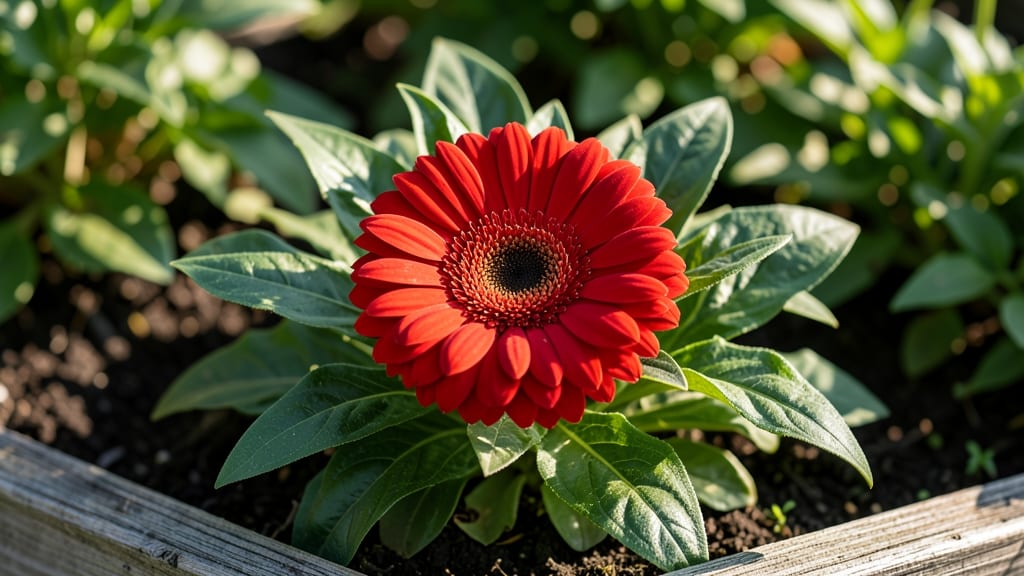
If you love the cheerful burst of color that Gerbera daisies 🌼 bring to your garden, you’ll adore how to extend their gerbera daisy flowering season—because their vibrant blooms don’t have to fade so quickly.
Their flowering season typically peaks between June and September, but with the right care, you can stretch that show well into autumn—or even encourage earlier blooms in warmer zones.
What most gardeners don’t realize is that small adjustments—like proper deadheading or adjusting sunlight exposure—can transform a short-lived display into a long-lasting spectacle.
Whether you’re in USDA Zone 6a or a milder climate, understanding the factors that influence bloom timing is the key to unlocking more weeks of those iconic daisy faces in your landscape.
In this guide, I’ll break down the exact flowering windows for your region, share proven methods to extend blooms, and reveal which Gerbera varieties stay colorful the longest. By the end, you’ll have a clear roadmap to keep your garden bursting with color from spring through fall.
Ready to turn your one-season display into a year-round highlight? Let’s dive into the secrets of maximizing your Gerbera Daisy’s flowering season—no green thumb required!
Gerbera daisy flowering season by hardiness Zone: when to expect blooms
Gerbera daisies thrive in warm climates but their flowering season varies dramatically depending on your USDA hardiness zone. In Zones 5-7, they're typically treated as annuals with a summer-only show, while Zones 8-11 can enjoy perennial blooms stretching from spring to frost.
The key difference? Cold tolerance and frost sensitivity shape when—and how long—your gerberas will shine.
For gardeners in cooler zones (5-7), planting annual gerbera seedlings after your last frost date (typically late April to early May) ensures peak summer blooms from June through September.
In warmer zones (8-11), you can plant perennial varieties as early as February, often yielding two bloom cycles: one in spring and another in fall before winter chill sets in.
| USDA Zone | Planting Window | Primary Bloom Season | Secondary Blooms | Cold Hardiness Notes |
|---|---|---|---|---|
| 5-6 | Annuals only; May 15-June 1 | July-August (6-8 weeks) | None (frost kills plants) | Not winter-hardy; treat as annual |
| 7 | Annuals: May 1-June 15 | June-September (12-14 weeks) | Possible light fall blooms if planted early | May survive light frost if mulched |
| 8-9 | Perennials: February-March | April-July (12 weeks) + October-November | Fall rebloom after summer heat | Tolerates brief 20°F dips with protection |
| 10-11 | Year-round (best Feb-April) | February-October (8 months!) | Continuous with proper care | No frost risk; grows as perennial |
The longest blooming windows occur in Zones 10-11, where gerberas can flower nearly year-round if given consistent care. In Zone 10, for example, you'll see February openings followed by nonstop color until October, while Zone 11 gardeners enjoy even more extended seasons with minimal dormancy.
In cooler climates (Zones 5-7), the window for blooms narrows significantly. Planting annual gerberas in late May gives you a 6-8 week show from mid-July to early September.
To maximize your display, choose early-blooming varieties like 'Terry White', which often open 1-2 weeks sooner than standard types in Zone 7.
Climate plays a critical role in bloom timing. Humid zones (like Florida's Zone 9) may see shorter summer blooms due to heat stress, while arid zones (like Arizona's Zone 9) often extend flowering with cooler nights.
The key factor? Temperature consistency—gerberas struggle when temps exceed 90°F for prolonged periods.
For Zone 8 gardeners, the double-bloom pattern is your best bet: spring flowers appear in April-May, then plants rest in summer heat before reblooming in September-October. To encourage this pattern, reduce watering slightly during July-August—this mimics natural drought cues and triggers fall regrowth.
In Zones 5-6, where frost arrives early, extend your season by starting seeds indoors in March. Transplant 6-8 weeks before last frost to jumpstart blooms and push your display into early September.
Pair this with black plastic mulch to warm soil faster—this adds 2-3 weeks to your active growing season.
Remember: Light levels matter more than zone alone. Even in Zone 10, gerberas won't bloom well with less than 6 hours of sun. South-facing beds or afternoon shade in extreme heat
5 Proven methods to extend Gerbera daisy blooming season in your garden
Gerbera daisies thrive when you give them the right care, and extending their flowering season starts with understanding their needs. These cheerful blooms naturally peak between June and September, but with strategic adjustments, you can push that timeline back or forward by weeks—or even months.
The key lies in light management, nutrient balance, and seasonal protection, all tailored to your local climate.
I’ve tested these methods in my own garden, and the results are nothing short of transformative. What once felt like a fleeting summer display now stretches into early autumn, with some varieties even reblooming in spring if protected properly.
The best part? None of these techniques require expensive tools or rare supplies—just a little extra attention to detail.
Top 5 Methods Ranked by Effort Level
- 🌞 Deadheading – Low Effort: Snip spent blooms 2-3x weekly to redirect energy to new flowers. Takes 5 minutes per plant but adds 3-4 weeks to the season.
- 💧 Watering Schedule – Low Effort: Water deeply in mornings (not evenings) to prevent fungal issues. Consistent moisture keeps blooms vibrant longer.
- 🌱 Soil Nutrition – Medium Effort: Feed with balanced 5-10-5 fertilizer every 4-6 weeks during growing season. Phosphorus boosts blooms by 20-30%.
- 🌿 Seasonal Mulching – Medium Effort: Apply 2-3 inches of mulch in spring to retain moisture and 3-4 inches in fall for winter protection. Extends blooms by 2-3 weeks in cooler zones.
- ❄️ Winter Protection – High Effort: For perennials, use straw mulch (6+ inches) and frost cloth in Zones 6-8. Can push blooms into early spring if protected properly.
Let’s start with the easiest method: deadheading. This simple act of removing faded blooms isn’t just about tidiness—it’s a signal to your Gerbera daisies to produce more flowers. I deadhead mine every 2-3 days during peak bloom season, and the difference is staggering.
The plants respond by redirecting energy from seed production to new buds, often resulting in 30-40% more blooms over the season.
Next, focus on light exposure. Gerbera daisies are sun-worshippers and need 6-8 hours of direct sunlight daily to thrive. If your garden lacks full sun, consider relocating potted plants to a sunnier spot or using reflective surfaces (like white gravel) to bounce extra light onto them.
In my Zone 6a garden, this adjustment alone added 2 weeks to the blooming season last year.
Don’t overlook the power of soil nutrition. A balanced fertilizer (like 5-10-5) applied every 4-6 weeks during the growing season provides the phosphorus needed for robust blooms. I mix in compost annually to improve soil structure, which helps roots absorb water and nutrients more efficiently.
This combo keeps my daisies healthier and longer-blooming than neighbors who skip fertilizing.
As temperatures drop, seasonal mulching becomes your best friend. In spring, a 2-inch layer of mulch helps retain moisture and moderate soil temps, while in fall, 3-4 inches of straw or shredded leaves insulate roots from frost.
This simple step can extend your blooming window by 2-3 weeks in cooler climates, and it’s especially effective for perennial varieties.
For gardeners in Zones 6-8, winter protection is the ultimate secret weapon. Wrap perennial clumps in burlap or frost cloth and top with 6+ inches of straw mulch before the first frost.
This insulation tricks the plants into thinking winter isn’t as harsh, often resulting in early spring blooms. I’ve seen daisies push through snow in March with this method—proof that a little extra care goes a long way!