
Light Requirements
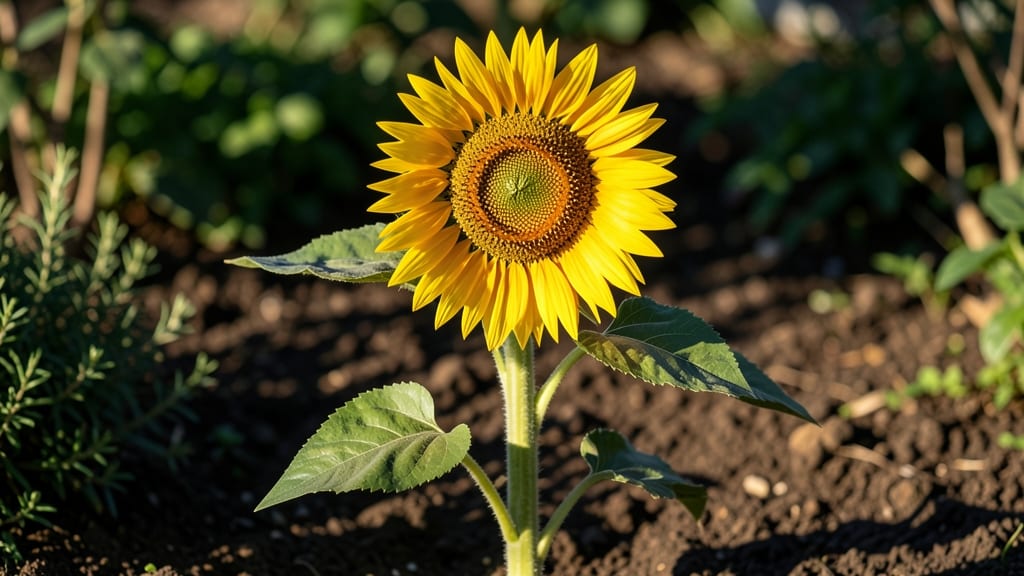
If you’ve ever planted a 🌻 sunflower and wondered, does sunflower need direct sunlight, you might’ve guessed sunlight plays a bigger role than you thought. These cheerful giants don’t just like direct sunlight—they practically demand it to reach their full, towering potential.
Sunflowers thrive in full sun, meaning at least 6 hours of unfiltered rays per day. Skimp on sunlight, and you’ll end up with leggy stems, pale blooms, or—worst of all—a sunflower that never even tries to grow straight.
But here’s the good news: with the right placement, even urban gardeners can give their sunflowers the light they crave.
Let’s break down exactly how much sunlight sunflowers need, what happens when they don’t get enough, and a few clever tricks to maximize their exposure—so you can grow those 10-foot-tall beauties you’ve always dreamed of.
Whether you’re planting in a backyard or a small balcony, this guide will help you position your sunflowers for success. Ready to turn your garden into a sunflower paradise?

How many hours of direct sunlight do sunflowers really need?
Sunflowers are one of the most sun-worshipping plants in your garden, and their light requirements directly impact their height, bloom size, and overall health.
While they can technically survive with less, 6 to 8 hours of direct sunlight per day is the gold standard for growing those iconic towering stalks and vibrant blooms you love.
The amount of sunlight affects every growth stage of a sunflower—from seedling sprouting to stalk elongation and finally flowering. Without enough light, sunflowers become leggy, weak, and prone to disease, often producing small, pale blooms or failing to flower at all.
But don’t worry—even if your garden isn’t bathed in sunlight all day, there are ways to maximize their exposure.
Let’s dive into the science behind sunflower sunlight needs, how sunlight influences their growth stages, and what happens when they don’t get enough light. You’ll also learn how to position your sunflowers for success, whether you’re planting in a backyard, balcony, or urban garden.
| Growth Stage | Sunlight Requirement | What Happens Without Enough Light | Ideal Sunlight Hours |
|---|---|---|---|
| Seedling | 4-6 hours (indirect light) | Slow growth, weak stems, risk of damping-off | 4-6 hours (morning sun preferred) |
| Stalk Elongation | 6-8 hours (direct) | Leggy, thin stalks, poor structural integrity | 6-8 hours (full sun exposure) |
| Flowering | 8+ hours (direct) | Small, pale blooms, delayed or no flowering | 8+ hours (peak sunlight for blooms) |
| Seed Production | 6-8 hours (direct) | Underdeveloped seeds, low yield | 6-8 hours (consistent exposure) |
During the seedling stage, young sunflowers need 4 to 6 hours of light, but it’s best to provide indirect sunlight to prevent scorching. Once they reach the stalk elongation phase, they demand 6 to 8 hours of direct sunlight to develop strong, sturdy stems.
This is when you’ll see them shoot up toward the sky like nature’s sun-tracking robots!
When sunflowers enter the flowering stage, they crave 8 or more hours of sunlight to produce those large, vibrant blooms you adore. Without enough light, their flowers may stay small, pale, or even fail to open entirely.
Think of it like a phototropic response: sunflowers follow the sun, and their growth is directly tied to how much light they receive.
Even if your garden doesn’t get full sun all day, you can still grow sunflowers by positioning them in the sunniest spot available. For example, a south-facing garden in the Northern Hemisphere will give them the most exposure.
If you’re in a shady urban area, consider using reflective surfaces like white walls or mirrors to bounce extra light onto your plants.
Another trick is to rotate your sunflowers every few days so all sides get even exposure. This helps prevent them from leaning or growing unevenly. You can also choose dwarf or semi-dwarf varieties if space is limited—they’re more forgiving with slightly less sunlight while still delivering stunning blooms.
Remember, sunflowers are heliotropic, meaning they track the sun’s movement throughout the day. This behavior is most pronounced during the flowering stage, when they’ll follow the sun from east to west.
It’s one of the most fascinating plant behaviors, and it’s all thanks to their sunlight dependency!
If you’re still unsure about your garden’s sunlight, take note of how much light other plants receive. For example, if your tomatoes or peppers thrive, your sunflowers likely will too. These plants all share similar full-sun requirements, making them great garden companions.
So, whether you’re a beginner gardener or a seasoned pro, prioritizing sunlight will give your sunflowers the best chance to reach their full potential. With the right placement and care, you’ll be rewarded with towering stalks, massive blooms, and maybe even some edible seeds to enjoy!
What happens if sunflowers don’t get enough sunlight?
If your sunflowers aren’t basking in full sun, you’ll quickly notice their growth patterns take a nosedive. Without enough light, these plants become leggy and weak, stretching desperately toward any available rays.
The stems grow thin and brittle, making them prone to snapping in wind or rain—something no gardener wants when aiming for those 10-foot-tall giants.
Beyond the structural issues, pale yellow leaves and tiny, underdeveloped blooms are classic signs of light deprivation. You might even see fewer flowers or none at all, leaving you with nothing but a sad, spindly stalk.
Even the seed heads won’t develop properly, meaning no seeds for next year’s planting. It’s a frustrating cycle, but the good news is that most of these issues are reversible with the right adjustments.
⚠️ callout warning ⚠️
⚠️ Sunlight Shortage = Sunflower Struggle
Sunflowers need 6+ hours of direct sunlight daily. Without it:
- Stems grow weak and brittle
- Leaves turn pale or yellow
- Flowers stay small or never open
- Seed heads fail to develop properly
💡 Fix it: Move plants to sunnier spots, use reflective surfaces, or try dwarf varieties for low-light areas.
One of the first symptoms of light deprivation is etiolation, where sunflowers stretch excessively toward any available light source. This happens because the plant is desperate to reach sunlight, but the result is a top-heavy stalk that can’t support itself.
You might also notice smaller leaves clustered tightly together, as the plant conserves energy. In extreme cases, the leaves may even curl inward, a clear sign of stress.
For urban gardeners or those with shady spots, don’t despair—there are ways to maximize sunlight even in less-than-ideal conditions. Start by positioning your sunflower pots on a south-facing balcony or near a reflective surface, like a white wall or mirror, which can bounce extra light onto your plants.
Another trick is to rotate pots regularly so all sides get even exposure. Even 3-4 hours of direct sun can work for dwarf varieties, though you’ll sacrifice some height and bloom size.
If you’re dealing with partial shade in your garden, consider companion planting taller, shade-tolerant plants like marigolds or basil around your sunflowers. These can help reflect light and improve overall air circulation, which benefits both plants.
Just remember: the more sunlight your sunflowers get, the taller, healthier, and more productive they’ll be.
Even if your sunflowers are already struggling from light deprivation, don’t give up! Prune back the longest stems to encourage bushier growth, and fertilize lightly with a balanced NPK (like 10-10-10) to help them recover.
Once you move them to a sunnier location, you’ll likely see new growth within 2-3 weeks. With patience and the right adjustments, your sunflowers can bounce back—and next season, you’ll be ready to give them the full sun they deserve.