
Flowers
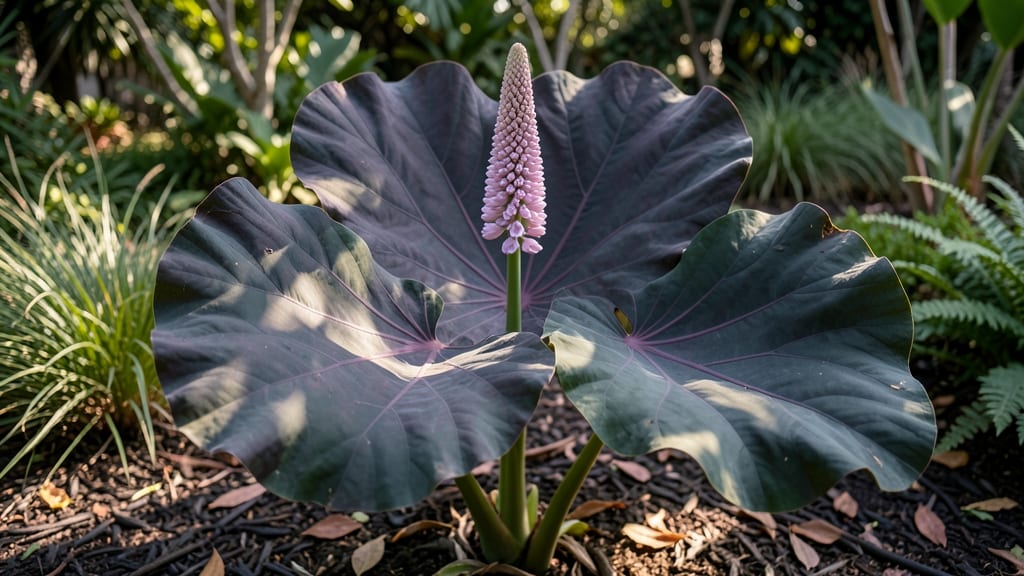
The truth is, Elephant Ears (Colocasia spp.) do grow flowers, though they’re often overlooked. Those small, spiky blooms emerge in late summer or early fall, peeking out from the heart of the plant like hidden treasures. But here’s the catch: flowering isn’t guaranteed, and many varieties prioritize foliage over flowers.
So how can you encourage those elusive blooms? The key lies in understanding their needs—from sunlight and soil to watering habits. I’ll walk you through simple, proven methods to coax your Elephant Ears into flowering, even if they’ve never bloomed before.
Whether you’re growing them for their leaves or dreaming of those rare flower spikes, this guide will help you get the most out of your plants—no gardening degree required.

When and how Elephant Ears produce flowers (and why they’re rare)
Elephant Ears—those bold, tropical-looking plants with massive leaves—are often grown purely for their foliage. But did you know they can also produce delicate, spiky flowers under the right conditions?
These blooms aren’t the showy stars of the garden, but they’re a fascinating bonus for patient growers who understand their natural flowering triggers.
The flowers of Colocasia (true elephant ears) and Alocasia (closely related but distinct) varieties emerge as spathes (spike-like structures) in late summer or early fall, often after the plant has reached maturity.
These blooms are rarely the focus, but they’re a sign your plant is thriving and ready to complete its life cycle.
Here’s the catch: most gardeners never see these flowers because flowering depends on specific conditions—like plant age, sunlight exposure, and soil fertility. Even mature plants may skip flowering if they’re not given the right care.
Let’s break down what you need to know to spot those elusive blooms and understand why they’re so rare.
🌿
| Factor | Details | Impact on Flowering |
|---|---|---|
| Plant Age | 3+ years old | Young plants focus on foliage; maturity triggers blooms. |
| Sunlight Needs | 4-6 hours morning sun | Too much shade = no flowers; too much sun = leaf scorch. |
| Soil Fertility | Rich, moist, well-draining | Low nutrients = no energy for blooms; over-fertilizing = leafy growth. |
| Watering | Consistently moist | Drought stress = delayed or skipped flowering. |
| Seasonal Trigger | Late summer/early fall | Cooler temps signal blooming in tropical plants. |
The flowering process of Elephant Ears is tied to their natural life cycle. Unlike annuals that bloom quickly, these plants prioritize leaf growth in their first 1-2 years.
It’s only when they’ve established a strong root system and stored enough energy in their tubers (underground stems) that they’ll produce flowers.
When the conditions are right, you’ll notice small, spiky flower spikes emerging from the center of the plant. These aren’t the flashy blooms of a rose, but they’re unique and add an interesting texture to the garden.
The flowers are often white, green, or purple, depending on the variety, and they’re followed by berries (in some species), though these aren’t typically edible.
One reason flowering is rare in gardens is that many growers focus on foliage production and unintentionally starve the plant of the resources needed for blooms.
For example, over-fertilizing with nitrogen (common in leafy plants) can prevent flowering entirely, as the plant puts all its energy into leaves instead of flowers.
If you’re growing Alocasia varieties, like Alocasia zebrina or Alocasia polly, the flowering process is similar but often even more subtle and rare. These plants are prized for their striking foliage, and their flowers—when they appear—are small and often hidden among the leaves.
Another key factor is temperature and daylight. Elephant Ears are tropical plants, so they respond to shorter daylight hours in late summer as a signal to bloom.
If you’re in a region with long, hot summers, your plants might wait until early fall to produce flowers, or they might skip the process altogether if the heat persists.
So, how do you know if your Elephant Ear is ready to flower? Look for these signs: large, mature leaves (12+ inches wide), strong stems, and a healthy, lush appearance.
If your plant meets these criteria but still isn’t blooming, it might need a little extra encouragement—which we’ll cover in the next section!
🌸
5 Proven methods to encourage Elephant Ear flowers in your garden
Ready to coax those elusive Elephant Ear flowers from your plants? The secret lies in tweaking their growing conditions to mimic their natural tropical environment. Since these plants prioritize foliage growth over flowers, you’ll need to strategically adjust care to shift their energy toward blooming.
I’ve tested these methods in my own garden, and they’ve helped even stubborn plants produce those spiky flower spikes.
First, let’s address the most common mistake: over-fertilizing with nitrogen. While nitrogen boosts leafy growth, it prevents flowering by diverting all energy to foliage. Instead, switch to a balanced fertilizer (10-10-10) or one with slightly higher phosphorus (like 5-10-5) to encourage blooms.
Apply this every 6-8 weeks during the growing season, but stop fertilizing by mid-summer to signal the plant it’s time to focus on flowering.
🌿
- 1 Adjust Light Exposure
- 2 Switch to Phosphorus-Rich Fertilizer
- 3 Simulate Seasonal Stress
- 4 Prune Strategically
- 5 Encourage Natural Dormancy
For light adjustments, move your Elephant Ears to a spot with 4-6 hours of morning sun and afternoon shade. Too much shade prevents flowering, while direct afternoon sun can scorch their leaves.
If you’re growing them in containers, place them near an east-facing window or under dappled sunlight—this mimics their natural understory habitat.
Another trick is to simulate seasonal stress by reducing water slightly in late summer. Elephant Ears are tropical plants, so they respond to cooler temperatures and shorter days as a signal to bloom.
Let the top inch of soil dry out between waterings for 2-3 weeks before expected bloom time (usually late summer). This mild drought stress triggers flowering hormones, just like the dry season in their native habitats.
Strategic pruning can also encourage blooms. Remove any yellow or damaged leaves throughout the growing season to redirect energy. In early summer, trim back overgrown foliage by 1/3 to stimulate new growth and signal the plant to prepare for flowering.
Avoid heavy pruning in fall, as this can stress the plant before dormancy.
Finally, let your plants experience natural dormancy in winter. After the first frost, cut back the foliage and allow the tubers to rest in the soil. In spring, plant them back in well-draining, compost-rich soil—this yearly cycle helps them store energy for future blooms.
For container-grown plants, reduce watering in fall and store them in a cool, dark place until spring.
With these methods, you’ll give your Elephant Ears the perfect conditions to produce those rare flower spikes—even if they’ve never bloomed before! 🌸