
Flowers
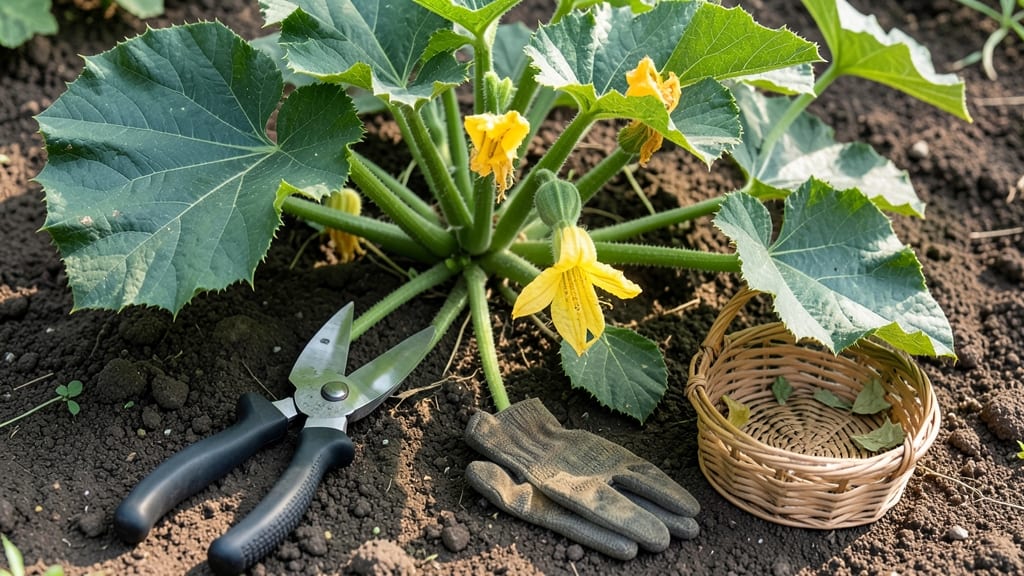
To pick zucchini flowers at their peak—when they’re most tender and flavorful—you’ll want to time it just right. These delicate blooms 🎃 transform dishes like fritters or pasta into something extraordinary, but harvesting too early or late ruins the magic.
The best moment to snip them is in the morning, when petals are fully unfurled but still crisp. This ensures maximum flavor and prevents bitterness that sets in later in the day. Even a slight delay can turn a perfect bloom into a tough, overripe disappointment.
Beyond timing, weather plays a role—cloudy days can delay opening, while sunny mornings signal readiness. I’ll show you how to spot the ideal flower, from vibrant color to subtle fragrance, so you never miss the window again.
Harvesting correctly also boosts your zucchini yield—more flowers mean more fruit down the line. Let’s dive into the exact cues and techniques to make every pick count.
Best time of day and season to harvest zucchini flowers
Timing your zucchini flower harvest is everything. These edible blooms reach their peak tenderness and flavor intensity at a very specific moment—morning hours when petals are fully unfurled but still crisp.
Missing this window means sacrificing delicate texture for tougher, less flavorful blooms. I’ve learned that even a 2-hour delay can turn a perfect flower into one that’s past its prime.
Beyond the clock, seasonal factors matter too. Early-season blooms may open later in the day due to cooler temperatures, while late-season flowers can wilt faster under intense afternoon sun. Understanding these patterns ensures you’re always harvesting at the right moment.
For me, the secret lies in combining daylight timing with seasonal awareness—both are non-negotiable for the best results.
🌱 Morning Harvest Wins: Petals are fully open but still firm, with vibrant colors and a sweet fragrance. This is your ideal 2-hour window—typically between 7 AM and 9 AM—when flowers are at their freshest.
| Factor | Optimal Condition | Why It Matters |
|---|---|---|
| Time of Day | Morning (7-9 AM) | Petals fully unfurled but crisp; avoids afternoon wilting. |
| Seasonal Stage | Peak flowering (July-August) | Flowers open earlier in cooler early season; later in hot late season. |
| Weather | Clear, dry mornings | Prevents dew damage and ensures vibrant color. |
| Flower Size | 3-5 inches wide | Smaller blooms are immature; larger ones may be overripe. |
| Fragrance | Sweet, noticeable aroma | Lack of scent signals immature or stressed flowers. |
The early season (June-July) often means flowers open later due to cooler temperatures. I’ve noticed mine typically unfurl by 9 AM or later during these months. Meanwhile, in late summer (August-September), the heat can cause flowers to open by 6 AM—so adjust your routine accordingly.
Always check the blooms first thing in the morning to confirm readiness.
Weather plays a surprising role too. After a rainy night, flowers may stay closed longer, while dry, sunny mornings accelerate opening. I’ve found that harvesting after light dew has evaporated (around 8 AM) gives the cleanest, most vibrant blooms.
This small detail makes a big difference in both appearance and flavor.
One common mistake I see is harvesting based on flower color alone. While bright yellow or white petals are a good sign, they’re not enough. The stem firmness and subtle fragrance are equally important cues.
Overripe flowers often have curling petals or a faint bitter scent—clear signs you’ve waited too long.
Seasonal shifts also affect how often you’ll need to harvest. During peak flowering (mid-July to early August), I pick 3-5 flowers per plant daily. In contrast, early June and late September yields drop to just 1-2 flowers per plant.
Planning ahead ensures you’re ready to harvest at the right moment, every time.
Pro tip: If you’re also growing zucchini fruits, prioritize harvesting male flowers (the ones with long stems). These are the best for eating and won’t develop into zucchini.
Female flowers (with tiny zucchini forming at the base) are better left on the plant to produce fruit. Knowing which is which saves time and frustration.
For container gardeners, timing matters even more. Smaller plants may produce fewer flowers, so harvesting at the absolute peak (when petals are fully open but still crisp) ensures you don’t miss out.
I’ve found that dwarf varieties like 'Eight Ball' often flower earlier in the day than standard zucchini, so check them first.
Finally, don’t overlook the late-day check. If you missed morning harvests, inspect flowers again by 4 PM to see if any opened later. While these may not be as tender, they’re still usable for cooking.
The key is to act quickly—once petals start wilting, flavor and texture decline rapidly.
How to tell when zucchini flowers are ready for picking
Zucchini flowers reach their peak when they’re fully open but still crisp, typically between 7:00 AM and 9:00 AM on sunny mornings. This window ensures the petals are vibrant, tender, and packed with flavor.
Look for bright yellow or white petals (depending on the variety) that have unfurled completely, revealing the center. The key is catching them just as they’re ready—not before they’ve opened or after they’ve started wilting.
Immature flowers are still tightly closed, with petals curled inward like a bud. These won’t have developed their signature sweet, honey-like fragrance and will taste bland or bitter if harvested.
On the other end, overripe flowers have drooping or curling petals, a mushy stem, and may even start to wilt by midday. Both extremes mean lost flavor and wasted effort, so timing is everything.
Picking flowers after noon leads to tough, bitter petals. Heat and sunlight cause them to wilt quickly, reducing tenderness. Always harvest in the morning when flowers are cool and crisp—this is when their flavor peaks.
Another pitfall? Harvesting female flowers with tiny zucchinis behind them. These are better left on the plant to develop fruit, while male flowers (with long stems) are ideal for picking.
Pay close attention to the stem’s firmness—it should feel sturdy, not soft or woody. A firm stem indicates the flower is at its prime, while a mushy stem signals it’s past its peak.
Gently sniff the flower too; a pleasant, sweet aroma is a dead giveaway that it’s ready. If it smells faint or stale, it’s time to move on to another bloom.
Color is another dead giveaway. Male flowers (the ones you want for cooking) have bright yellow petals and long, slender stems, while female flowers (with tiny zucchinis at their base) often have a slightly greenish hue at the center.
Focus on harvesting the male flowers—these are the stars of your kitchen, perfect for stuffing, frying, or garnishing.
Weather plays a sneaky role too. Cloudy or humid days can delay flower opening, so check blooms a day earlier if skies are overcast. Conversely, hot, dry conditions may cause flowers to open faster—harvest them even earlier in the morning.
Always prioritize crisp petals over color alone; a wilted flower in full sun is a missed opportunity.
Once you’ve mastered these cues, harvesting becomes second nature. Use clean, sharp scissors to snip the stem just above a leaf, leaving the base intact. This encourages more blooms to form, giving you a steady supply of fresh flowers all season long.
With practice, you’ll spot the perfect pick in seconds—no more wasted blooms or bland flavors!