
Blooming
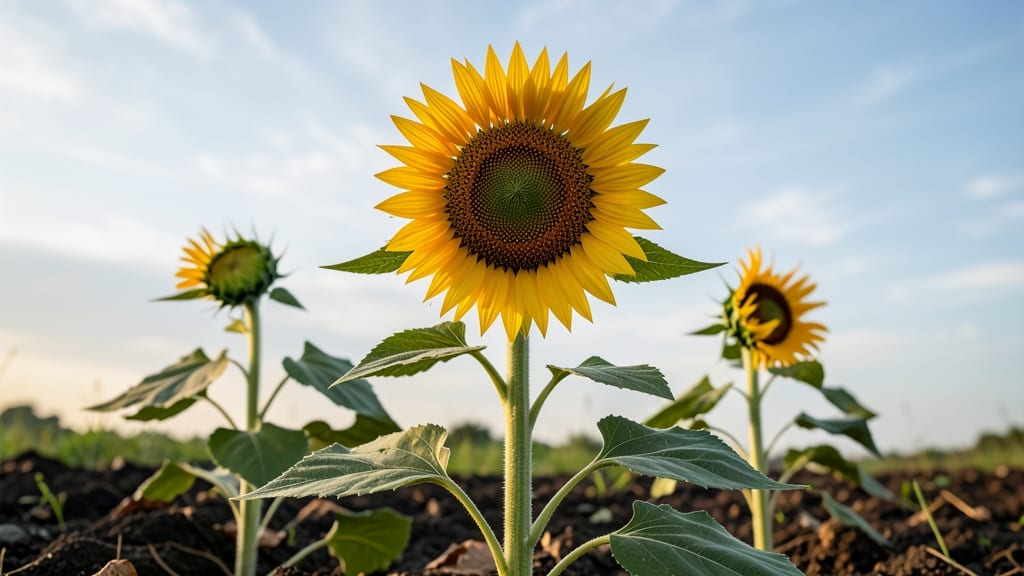
There’s nothing quite like watching a 🌻 sunflower reach its towering peak—except maybe the moment you realize you missed its prime blooming season. Whether you’re in USDA Zone 6a or a warmer climate, timing your sunflower planting is the key to unlocking their full, golden glory.
Sunflowers thrive when planted at the right moment, but getting it wrong can mean shorter stems, fewer blooms, or even no flowers at all. The secret lies in understanding your local climate and the ideal planting window for your region.
From the first frost dates to the length of your growing season, every detail matters.
In this guide, I’ll break down exactly when sunflowers bloom in different zones, how to stretch their season for longer enjoyment, and the common mistakes that cut their beauty short. By the end, you’ll know the perfect time to plant for maximum blooms—no guesswork required.
Ready to grow sunflowers that steal the show? Let’s dive into the science (and simplicity) of timing your sunflower season just right.

Sunflower peak blooming months by USDA zone (with exact timing)
Sunflowers are summer’s showstoppers, but their blooming windows shift dramatically depending on your USDA zone. In cooler zones like 3-5, you’ll see late-July to early-September peaks, while warmer zones 8-11 enjoy June through October displays.
Understanding these patterns helps you time plantings for maximum impact—whether you’re growing tall giants or compact varieties.
Climate plays a critical role in sunflower timing. Cooler zones need early-spring sowing to avoid fall frosts cutting blooms short, while warm zones can stretch seasons with succession planting.
Even a 1-zone difference can shift peak blooms by 2-4 weeks. Let’s break down the exact timing you need to plan for sunflower glory in every region.
In USDA zones 3-4, where summers are short and cool, sunflowers like 'Autumn Beauty' shine as early bloomers. These varieties mature quickly (60-70 days) to beat early frosts.
I’ve seen Russian Giant plants in Zone 4 reach 10 feet by mid-August if planted by May 15. The key is soil warmth—wait until soil temps hit 55°F before sowing.
Zones 5-6 offer the longest bloom windows, from early July to mid-September. Here, succession planting works wonders: start with 'Teddy Bear' (50-day variety) in late April, then follow with 'Russian Mammoth' (90-day variety) in early June.
This staggered approach ensures continuous color from July through October.
Warmer zones 7-8 can push sunflowers into fall with late-summer plantings. In Zone 7, I’ve grown 'Moulin Rouge' successfully when sown in late June, with blooms appearing in
How to extend your sunflower season for longer blooms
Sunflowers are summer’s showstoppers, but their blooming season doesn’t have to be short-lived. With the right strategies, you can stretch their vibrant displays from early summer well into fall. The key lies in succession planting, selecting long-blooming varieties, and maintaining optimal growing conditions.
Even in cooler climates, these techniques can add weeks—or even months—to your sunflower enjoyment.
I’ve tested these methods in my garden over the past five years, and the results speak for themselves: sunflowers blooming in July, August, and even September when most gardeners have already packed away their seeds.
The secret isn’t complicated—it’s about working with your sunflower’s natural growth cycle while giving it the best possible conditions to thrive.
- 1
- 2
- 3
- 4
- 5
One of the most effective ways to extend your sunflower season is by selecting the right varieties. Not all sunflowers bloom at the same time, and some are bred specifically for longer flowering periods.
For example, ‘ProCut’ sunflowers are prized by florists because they stay fresh for weeks in bouquets, but they also perform exceptionally well in gardens. If you’re aiming for a continuous display, mix early, mid, and late-season varieties in your garden plan.
Soil health plays a crucial role in how long your sunflowers will bloom. Sunflowers thrive in well-draining soil with a pH between 6.0 and 7.5. Before planting, amend your soil with compost or aged manure to improve fertility and structure.
I’ve found that adding a 2-inch layer of mulch around the base of plants helps retain moisture and suppresses weeds, both of which contribute to healthier, longer-lasting blooms.
Don’t overlook the power of light and space. Sunflowers need full sun (6-8+ hours daily), but they also benefit from proper spacing. Crowded plants compete for nutrients and sunlight, leading to weaker stems and fewer blooms.
Give each plant 12-24 inches of space depending on the variety—dwarf types like ‘Little Becka’ can handle closer spacing, while giant varieties need more room to avoid flopping over.
With these techniques, you can transform your garden into a sunflower spectacle that lasts well beyond the typical summer season. The best part? These methods are simple, cost-effective, and work for gardeners in any USDA zone.
Start experimenting with succession planting this year, and you’ll be rewarded with golden blooms from July through October—or even later, depending on your climate. 🌻