
Planting
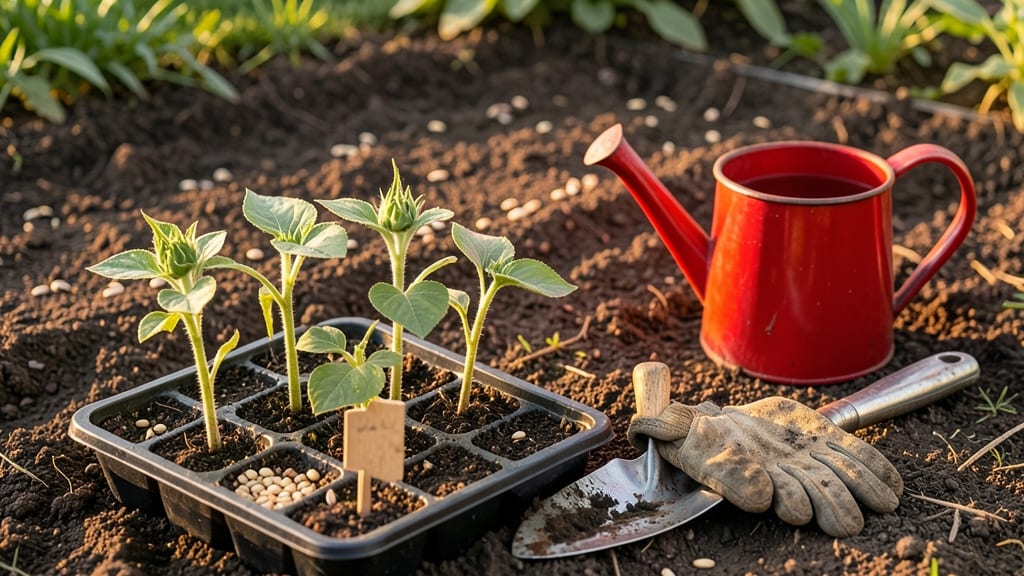
Planting sunflowers at the wrong time can mean the difference between a showstopping 🌻 display and a sad, stunted plant that never reaches its potential.
The best sunflower planting time depends on your USDA zone, variety, and even your local microclimate—but getting it right unlocks those towering blooms you’ve always dreamed of.
In Zone 6a, like many gardeners, you’ve got a narrow window between April and May to plant after the last frost. But timing isn’t just about the calendar—soil temperature and frost sensitivity play huge roles too.
Giant varieties need warmer soil to germinate, while dwarf types can handle cooler conditions, making the difference between success and failure.
Whether you’re direct sowing or transplanting, I’ll break down exactly when to plant for maximum height and bloom, plus how to adjust for your region. No more guessing—just proven strategies to grow sunflowers that steal the show in your garden.
Let’s dive into the perfect planting schedule so you can enjoy those golden faces from July through October without a single flop.


Best sunflower planting time by USDA zone and variety type
Sunflowers are fast-growing annuals that thrive when planted at the right time, but their ideal window varies dramatically across USDA zones 3-11.
In colder zones like 3-5, you’ll need to time planting after the last frost to avoid frost damage, while southern zones 9-11 can handle late summer sowing for fall blooms. The key is matching your variety type—whether giant mammoths or dwarf varieties—with your local climate.
Most gardeners focus on spring planting for summer blooms, but some varieties—especially short-day types—can be sown in late summer for winter interest.
For example, 'Autumn Beauty' sunflowers planted in July-August in Zone 7 will bloom in fall, while 'Mammoth Russian' needs early spring planting to reach its full 12-foot height. Let’s break down the exact planting windows by zone and type so you can maximize your sunflower’s potential.
| USDA Zone | Variety Type | Direct Sowing Window | Transplant Window | Soil Temp Requirement | Notes |
|---|---|---|---|---|---|
| Zones 3-5 | Dwarf (1-3 ft) | Mid-April to May 15 | Late April (after frost) | 50°F+ | Cold-hardy; can tolerate light frost. |
| Zones 3-5 | Standard (6-10 ft) | Late May to June 1 | Early June | 60°F+ | Wait for warmer soil to avoid rot. |
| Zones 6-8 | Giant (10-14 ft) | April 15 to May 10 | April 20 (hardened seedlings) | 65°F+ | Needs long, frost-free growing season. |
| Zones 6-8 | Perennial (multi-year) | Late August (fall sowing) | N/A (direct sow only) | 55°F+ | Sow for next year’s blooms. |
| Zones 9-11 | All Types | September-October (fall/winter) | N/A (direct sow only) | 60°F+ | Avoid summer heat; plant for spring blooms. |
In Zones 3-5, where frosts linger late into spring, I recommend starting with dwarf varieties like 'Teddy Bear' or 'Moulin Rouge', which tolerate cooler soils and shorter growing seasons.
These can be sown as early as mid-April once the soil reaches 50°F, giving them enough time to mature before the first frost in October. For standard or giant varieties, wait until late May to ensure the soil stays warm enough for germination.
If you’re in Zones 6-8, you’ve got more flexibility. Giant varieties like 'Mammoth Russian' need to be planted by mid-April to reach their full height, but dwarf types can handle a June planting for late-summer blooms.
Pro tip: Use a soil thermometer to confirm the soil is at least 60°F before sowing giants—cold soil slows germination and invites rot. For perennial sunflowers, like 'Maximilian', sow in late August to establish roots before winter.
Gardeners in Zones 9-11 can plant sunflowers almost year-round, but the best time is fall (September-October) for spring blooms. This avoids the intense summer heat that can stress young seedlings. For a continuous bloom display, stagger plantings every 2-3 weeks from fall through early spring.
Just ensure your soil drains well—sunflowers hate soggy roots and will rot quickly in heavy clay.
For transplanting (instead of direct sowing), harden off seedlings for 7-10 days before moving them outdoors. In Zones 3-5, transplant in late April after the last frost, while Zones 6-8 can handle transplants as early as mid-April.
Avoid transplanting giants in hot weather—they’ll bolt quickly and produce smaller blooms. Instead, opt for mor
How to adjust planting time for giant vs. dwarf sunflowers
Giant sunflowers like 'Mammoth' or 'Russian Giant' need a longer growing season to reach their 12-14 foot heights, while dwarf varieties such as 'Teddy Bear' or 'Pocket Sun' mature in just 60-70 days.
This difference means your planting window must shift based on variety—planting a mammoth type too late could leave it stunted, while dwarf types can handle cooler soil earlier in spring.
For giant sunflowers, wait until soil temperatures reach 60°F+ (measured 2-3 inches deep) to ensure proper germination. Dwarf varieties, however, can sprout in 50-55°F soil, giving you a 2-3 week head start in cooler climates. This timing flexibility is why I always plant dwarfs first in my garden!
| Variety Type | Soil Temp for Planting | Days to Maturity | Spacing Needs | Optimal Planting Months |
|---|---|---|---|---|
| Giant (12+ ft) | 60°F+ | 90-120 days | 18-24" apart | May-June (after frost) |
| Standard (6-10 ft) | 55-60°F | 70-90 days | 12-18" apart | April-May |
| Dwarf (2-3 ft) | 50-55°F | 60-70 days | 6-12" apart | March-April |
Spacing also affects bloom timing—giant sunflowers need 18-24 inches between plants to avoid competition, while dwarf varieties thrive in 6-12 inch clusters. I once planted mammoths too close, and they grew lanky and weak. Crowding stresses their stems, delaying flowering by 2-3 weeks in my experience.
For northern climates (Zones 3-5), aim to plant giants by late May to ensure they mature before frost. In southern zones (7-11), you can start as early as March for dwarfs or April for standard types.
Always check your last frost date—giant varieties need 120+ frost-free days to reach full height.
Pro tip: Use black plastic mulch to warm soil faster for giant sunflowers. I’ve seen it raise soil temps by 5-10°F, giving early starts in cooler zones. For dwarfs, a simple lightweight row cover can protect young seedlings from late frosts without overheating the soil.
Adjust your planting schedule based on these differences, and you’ll enjoy blooms from July to October, whether you’re growing towering giants or cheerful dwarfs. The key is matching variety needs to your climate—no more guesswork, just golden results! 🌻