
Light Requirements
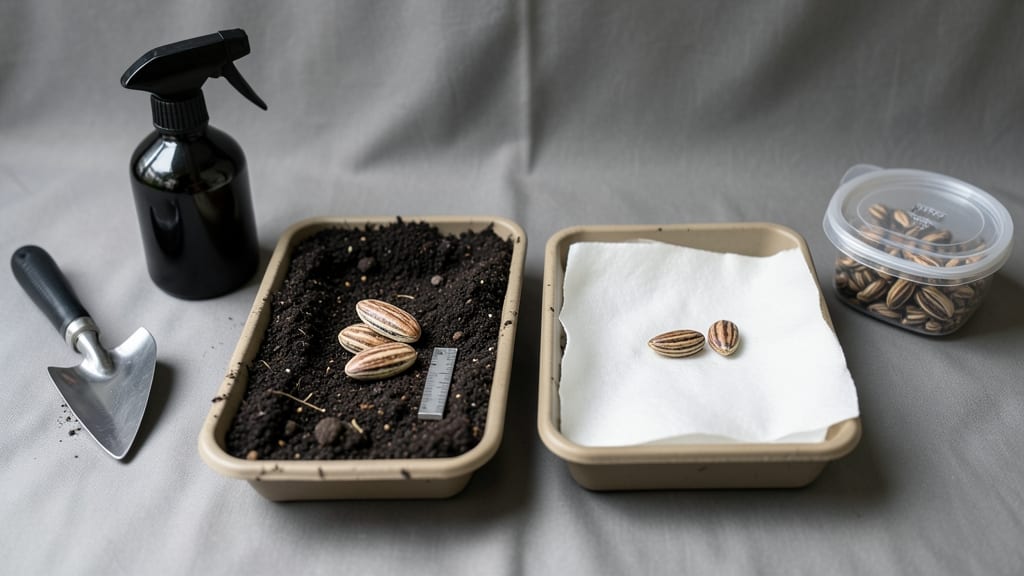
Sunflower seeds don’t need light to germinate—you can plant them 1 inch deep in soil and still get strong sprouts. This might surprise gardeners who assume seeds need sunlight right away, but the truth is simpler than you think.
What actually matters most is keeping the soil consistently moist and warm, which creates the perfect environment for those little seeds to wake up. Too much light too soon can even dry out the soil, slowing down the process.
Let me break down exactly how to give your 🌻 seeds the best shot at fast, healthy growth—without overcomplicating things.
If you’ve ever struggled with sunflower germination, you’re not alone. Many gardeners make simple mistakes like planting too shallow or letting the soil dry out, which can stall sprouts for weeks. I’ll show you the fastest, easiest way to get those first green shoots breaking through the soil—guaranteed.
Ready to skip the guesswork? By the end of this guide, you’ll know exactly when to water, how deep to plant, and why your sunflowers might be taking longer to sprout than expected. Let’s get those seeds growing!

Sunflower seed germination: do they need light or stay buried?
Here’s the truth about sunflower seeds: they don’t need light to germinate. In fact, planting them 1 inch deep in soil protects them from drying out and keeps the environment ideal for sprouting.
Many gardeners assume seeds need sunlight right away, but sunflowers are different—they thrive when buried in moist, warm soil.
The key to fast germination lies in consistent moisture and stable temperatures between 70-85°F. Light becomes important later, once the seedling has broken through the soil. Until then, darkness actually helps by preventing the soil from drying out too quickly.
Let’s debunk the myth: Sunflower seeds germinate best in darkness during the early stages. This isn’t just theory—it’s backed by science. Seeds like sunflowers store energy in their cotyledons, which allow them to sprout underground before reaching for the light.
Once they’ve used up these reserves, they’ll naturally push upward toward sunlight.
| Germination Stage | Light Requirement | Soil Depth | Key Factor |
|---|---|---|---|
| Initial Germination | Darkness (No Light Needed) | 1 inch deep | Moisture & warmth |
| Seedling Emergence | Indirect light (1-2 days) | 0.5 inch below surface | Stable soil temp |
| Established Growth | Full sunlight (6+ hours) | Surface level | Photosynthesis |
If you’ve ever planted sunflower seeds too shallow, you’ve likely seen them dry out before sprouting. This happens because exposed seeds lose moisture quickly, especially in hot or windy conditions.
The 1-inch depth rule ensures they stay hydrated while they germinate, giving your seeds the best chance to break through the soil strong and healthy.
Another common mistake is assuming that more light equals faster germination. While sunflowers eventually need plenty of sunlight, their seeds actually prefer darkness during the early stages. Think of it like a baby bird in an egg—it doesn’t need light to hatch, just the right conditions to grow.
For best results, plant your sunflower seeds in well-draining soil that’s been warmed by the sun. A simple trick is to use black plastic mulch before planting to raise soil temperatures naturally. This mimics the ideal conditions sunflowers need to germinate quickly, often in as little as 7-10 days.
Once your sunflower seedlings emerge, you’ll notice them stretching toward the light. This is called phototropism, and it’s when they finally need that sunlight to grow strong and tall. But until then, keep them buried and moist—your future towering sunflowers will thank you!
Pro tip: If you’re growing sunflowers in containers, use a seed-starting mix that retains moisture well. This helps maintain the ideal humidity levels for germination, especially if your climate tends to be dry. Just remember to keep the soil consistently damp (not soggy) until those first green shoots appear.
Ready to test this for yourself? Grab a handful of sunflower seeds, dig 1 inch deep in your garden bed, and give them a good drink of water. In just a week or two, you’ll see the magic of germination in action—no sunlight required at first!
Optimal planting depth and light conditions for sunflower sprouts
Now that you know sunflower seeds don’t need light to germinate, let’s focus on the perfect planting depth and when to introduce sunlight. The magic happens when you plant seeds 1 inch deep in loose, well-draining soil.
This depth keeps seeds moist while protecting them from drying out—critical for fast germination.
Once planted, maintain soil moisture by watering gently every 2-3 days until sprouts appear. Overwatering can suffocate seeds, while underwatering slows germination. Aim for consistently damp (not soggy) soil to create the ideal environment for those first green shoots.
Here’s the key moment: sunlight becomes essential only after germination. Once seedlings break through the soil (usually in 7-14 days), they’ll naturally stretch toward light. At this stage, provide 6+ hours of direct sunlight daily to support strong, upright growth.
🌱 Key Takeaway:
Sunflower seeds don’t need light to germinate—plant them 1 inch deep in moist, warm soil. After sprouting, provide full sunlight (6+ hours/day) for healthy growth. Depth: 1" | Moisture: Damp | Light: Indirect → Direct
For container growers, use a seed-starting mix with added perlite to improve drainage. Place containers in a sunny spot after germination, rotating them daily to prevent lopsided growth. Sunflowers are sun-worshippers, so once established, they’ll reward you with rapid growth toward the light.
Pro tip: If planting in cool climates, use black plastic mulch to warm the soil naturally. This speeds up germination and gives seedlings a head start. Just remove the mulch once sprouts appear to prevent overheating.
Remember, the first 2 weeks are critical. Keep soil consistently moist, maintain 70-85°F temperatures, and resist the urge to move seeds to sunlight too soon. Patience pays off—your sunflowers will thank you with taller, stronger stems and bigger blooms later in the season.