
Orchid Care
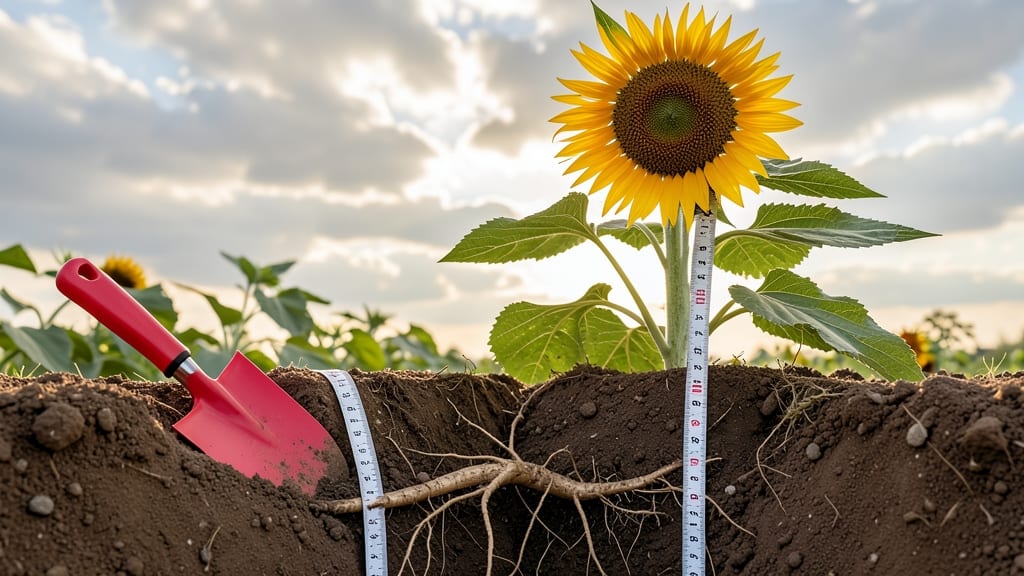
Most sunflowers develop roots that can grow 2 to 4 feet deep, acting like nature’s own anchors. This deep reach isn’t just impressive—it’s essential for stability, especially when storms or strong winds threaten those towering stems.
But here’s the kicker: their root depth also affects how you plant, water, and even choose your sunflower variety.
Whether you’re growing giant Mammoths or compact Teddy Bears, understanding root depth helps you avoid common mistakes like shallow planting or overcrowding. Let’s break down how these roots work, what they need to thrive, and how you can use this knowledge to grow healthier, happier sunflowers this season.
From soil prep to spacing tips, I’ll share everything you need to give your sunflowers the strong foundation they deserve. Ready to dig in?
How deep sunflower roots grow: the science behind their underground strength
Sunflowers may seem all about their towering bright yellow blooms, but their true architectural marvel lies underground. These plants develop deep taproots that can extend 3 to 4 feet into the soil, anchoring them against wind and drought.
Understanding this root system is key to growing healthy, resilient sunflowers in your garden.
The primary root, or taproot, grows straight down while secondary roots branch out horizontally. This dual system allows sunflowers to access deep moisture reserves while stabilizing the plant. Their root depth varies slightly by variety, with giant types like Mammoth developing the deepest systems.
| Sunflower Type | Root Depth | Key Function |
|---|---|---|
| Giant Varieties (e.g., Mammoth) | 3-4 feet | Deep water access, wind resistance |
| Standard Varieties (e.g., Russian Giant) | 2-3 feet | Moderate drought tolerance |
| Dwarf Varieties (e.g., Teddy Bear) | 1-2 feet | Container-friendly, shallow soil |
| All Varieties | Secondary roots spread 2-3 feet wide | Nutrient absorption, stability |
The taproot system begins developing within 10 days of germination, growing faster than the shoot. This rapid vertical growth helps sunflowers outcompete weeds for resources. The root's woody texture near the base provides structural support, while finer lateral roots maximize nutrient uptake.
Sunflowers use a technique called positive geotropism to grow downward, pushing through soil layers until they hit moisture-rich zones. In sandy soils, roots may grow deeper to reach water, while in clay, they spread wider to avoid compaction. This adaptability makes them surprisingly resilient in various garden conditions.
One surprising fact is that sunflower roots can penetrate hardpan layers when young, though mature plants may struggle if soil is too compacted. This is why preparing loose, well-draining soil before planting gives your sunflowers the best start. Amending clay with compost or sand can prevent root restriction.
The depth of sunflower roots directly impacts their drought tolerance. Deeper roots mean they can survive 3-5 days without water once established, making them ideal for dry climates. However, young plants still need consistent moisture to develop strong root systems before they can tap into deep water sources.
Gardeners often overlook how root depth affects plant spacing. Since sunflower roots spread 2-3 feet wide, planting them too closely can lead to root competition. The general rule is to space plants 18-24 inches apart, allowing room for both vertical and horizontal root growth.
For container growing, choose dwarf varieties with shorter root systems and ensure pots are at least 12 inches deep. Even then, sunflowers in containers will need more frequent watering since their roots can't access deep moisture.
Adding hydrogel beads to potting mix can help retain water for these root-constrained plants.
Understanding sunflower root depth also explains why they rarely need staking. Their deep, sturdy roots anchor them firmly, though very tall varieties in windy areas may benefit from light support. The key is to plant in well-drained soil with adequate depth to encourage natural root development.
Next time you admire a sunflower's height, remember that its underground strength is what makes that growth possible. By mimicking nature's conditions—deep, loose soil and proper spacing—you'll give your sunflowers the best chance to thrive from root to bloom. 🌱🌿
Why root depth matters for sunflower planting: soil, spacing, and survival tips
When planting sunflowers, their root depth isn't just an afterthought—it's the foundation of their success. Those towering stems rely on roots that can plunge 3-4 feet deep to access water and nutrients, especially during drought.
Without proper soil depth, your sunflowers may struggle to establish themselves, leading to stunted growth or even death.
Many gardeners make the mistake of planting sunflowers too shallowly, thinking deeper is always better. However, planting seeds 1 inch deep is ideal—any deeper can delay germination while shallow planting risks exposing roots to drying winds.
The key is creating a loose, well-aerated soil profile that encourages downward growth rather than forcing depth artificially.
Sunflowers planted too shallowly (less than ½ inch) risk root desiccation and poor anchorage. Their taproots need space to grow downward—planting deeper than 1 inch can suffocate seedlings. Always loosen soil to 6-8 inches deep before planting to accommodate root development.
Solution: Use a trowel to create deep planting holes (2-3 inches) in loose soil, then cover seeds lightly. For heavy clay, amend with compost or sand to prevent compaction.
Proper plant spacing is another critical factor influenced by root depth. Sunflower roots spread 2-3 feet wide, so crowding plants too closely leads to root competition for water and nutrients.
The standard spacing of 18-24 inches apart gives roots room to expand horizontally while allowing the taproot to grow deep.
For drought-prone areas, deeper roots become even more valuable. Sunflowers with well-developed taproots can survive 3-5 days without water once established, making them ideal for xeriscaping. To maximize drought tolerance, focus on deep watering sessions (1-2 inches per week) rather than frequent shallow watering, which encourages shallow root growth.
Container growers face unique challenges with sunflower root depth. Dwarf varieties like Teddy Bear (roots 1-2 feet deep) work best in 12-inch-deep pots, but even these need hydrogel beads or moisture-retentive soil mixes.
Avoid planting tall varieties in containers—their roots will quickly outgrow the space, leading to stunted growth.
One often-overlooked tip is to avoid heavy mulching around sunflower stems. While mulch helps retain soil moisture, piling it against the base can suffocate roots as they grow. Instead, create a 3-inch mulch ring around the perimeter of the plant, leaving the center clear for root expansion.
By understanding how sunflower root depth affects planting, you can create ideal conditions for these resilient plants.
Whether you're dealing with clay soil, sandy conditions, or container growing, the right soil preparation and spacing will ensure your sunflowers develop the strong roots they need to thrive from the ground up. 🌱☀️🌿