
Diseases
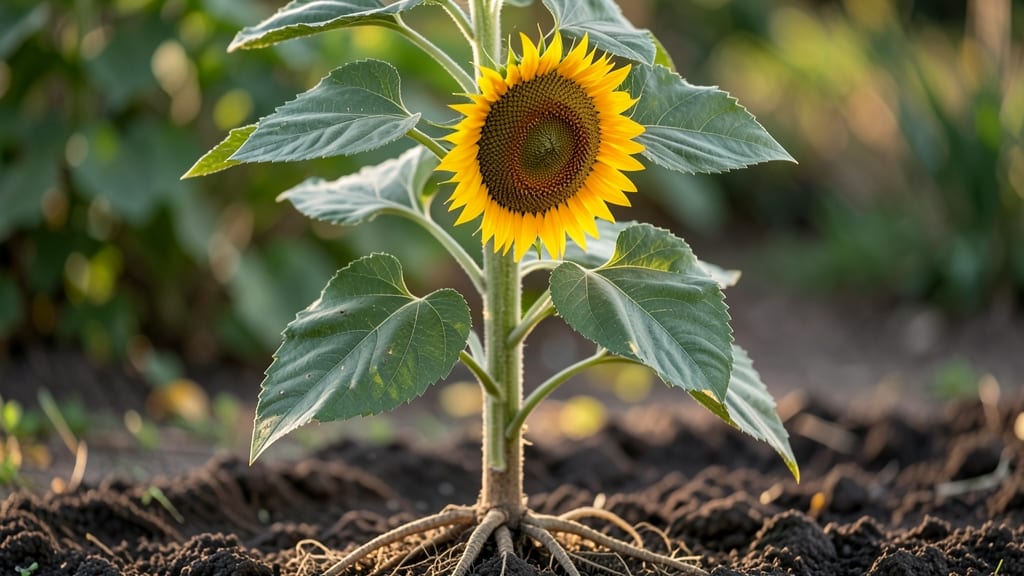
Most gardeners focus on the stunning blooms, but what happens below ground is just as important. Those deep roots aren't just for show—they're the plant's lifeline, anchoring it and accessing water from deep soil layers. Without proper root development, even the hardiest sunflowers can struggle.
In this guide, I'll break down exactly how deep sunflower roots grow, what affects their development, and how you can optimize planting to give your 🌻 sunflowers the best possible start. Whether you're dealing with sandy soil or heavy clay, these insights will help you grow stronger, more resilient plants.
Ready to dig deeper into the roots of your sunflower success? Let's explore how to give your plants the foundation they need to reach their full potential—from April planting all the way through September harvest.
How deep sunflower roots grow: the science behind their massive depth
Sunflowers may be famous for their sunflower root depth, but what truly sets them apart is how their roots plunge deep into the soil.
On average, sunflower roots can extend 2 to 6 feet below the surface, creating a robust anchor system that supports those towering 10- to 15-foot stems. This deep root system isn't just impressive—it's essential for stability and accessing water during dry spells.
While most gardeners focus on the sunflower blooms, the real magic happens underground. The taproot system dominates, with a single primary root growing downward while secondary roots spread horizontally.
This dual system allows sunflowers to withstand wind and access moisture from deep soil layers, making them surprisingly resilient for such large plants.
The sunflower root depth varies based on soil conditions, water availability, and even the specific variety. For example, Russian Giant sunflowers often develop deeper roots than Teddy Bear dwarf varieties. Understanding these differences helps gardeners optimize planting techniques for their specific climate and soil type.
| Factor | Typical Depth | Key Influence |
|---|---|---|
| Standard Varieties | 3-5 feet | Balanced growth for stability |
| Giant Varieties | 5-6 feet | Deeper roots for wind resistance |
| Dwarf Varieties | 1-3 feet | Shallow but dense root network |
| Loamy Soil | 4-6 feet | Ideal drainage and nutrients |
| Sandy Soil | 2-4 feet | Faster water drainage reduces depth |
| Clay Soil | 3-5 feet | Slower water absorption encourages deeper growth |
The taproot system of sunflowers begins as a slender root that quickly thickens as it grows downward. By the time the plant reaches maturity, this primary root can be as thick as a pencil, providing the structural support needed for those massive stems.
Meanwhile, lateral roots spread out horizontally, creating a wide network that stabilizes the plant and improves nutrient uptake.
One of the most fascinating aspects of sunflower root depth is how it adapts to environmental conditions. In drought-prone areas, sunflowers will naturally grow deeper roots to access water from lower soil layers.
Conversely, in well-watered regions, the roots may spread more horizontally to maximize nutrient absorption. This adaptability is one reason sunflowers thrive in diverse climates, from arid deserts to temperate gardens.
For gardeners, understanding sunflower root depth translates to smarter planting strategies. When preparing your garden bed, aim to loosen soil at least 12 inches deep to encourage root penetration. Avoid compacting the soil around the base of young plants, as this can restrict root growth and lead to weaker stems.
Instead, use a garden fork to aerate the soil and improve drainage.
Another critical factor is spacing. Since sunflower roots can spread up to 3 feet wide, give each plant plenty of room—typically 18 to 24 inches apart. Proper spacing prevents root competition and allows each plant to develop its full root depth and above-ground growth.
In tight spaces, consider dwarf varieties like Teddy Bear, which have shallower roots but still produce stunning blooms.
If you're growing sunflowers in containers, choose pots that are at least 18 inches deep to accommodate the root system. Container-grown sunflowers may not reach the same depth as those in the ground, but they can still thrive with proper care.
Use a well-draining potting mix and water consistently to encourage root growth downward rather than circling the pot.
Finally, remember that sunflower root depth plays a crucial role in the plant's ability to withstand wind and recover from drought. By understanding and optimizing root development, you'll grow stronger, healthier sunflowers that reach their full potential—from April planting to September harvest. 🌱
Factors affecting sunflower root depth: soil, climate & plant care
Understanding how soil composition impacts sunflower root depth is key to growing healthy plants. Loamy soil with its perfect balance of sand, silt, and clay provides ideal conditions for deep root penetration. In these soils, roots can extend 4-6 feet deep, accessing moisture and nutrients efficiently.
Conversely, sandy soil drains too quickly, limiting root depth to 2-4 feet as plants struggle to hold onto water. Meanwhile, clay soil can restrict growth to 3-5 feet unless amended with organic matter to improve aeration.
Your local climate conditions also play a crucial role in determining sunflower root depth. In arid regions, sunflowers naturally develop deeper roots to access groundwater, often reaching 5-6 feet deep. This adaptation helps them survive prolonged dry spells.
In contrast, humid climates with consistent rainfall encourage more horizontal root spread, as plants focus on nutrient absorption rather than deep water foraging. Temperature extremes can also affect root growth—cool spring nights may slow early root development, while hot summer days can accelerate growth if moisture is available.
Your watering practices directly influence how deep sunflower roots grow. Deep, infrequent watering encourages roots to penetrate deeper in search of moisture, while shallow, frequent watering promotes surface root development. Aim to water deeply once weekly rather than lightly daily to stimulate deeper root growth.
Mulching around plants helps maintain soil moisture and temperature, creating ideal conditions for root development. Avoid overwatering, which can lead to root rot and stunt growth.
Proper plant spacing is another critical factor in optimizing sunflower root depth. When planting, maintain 18-24 inches between plants to prevent root competition. In tight spaces, choose dwarf varieties that develop shallower roots.
For container growing, select pots with at least 18 inches of depth to accommodate the root system. Always use well-draining soil to prevent waterlogging, which can suffocate roots and limit their growth potential.
Temperature fluctuations can significantly impact root development. Sunflowers thrive in warm soil temperatures between 60-85°F. If planting in cooler climates, consider using black plastic mulch to warm the soil and encourage faster root growth.
Avoid planting in waterlogged soils, as this can lead to poor root development and increased susceptibility to disease. Instead, choose well-drained locations with full sun exposure to maximize root penetration.
Finally, consider your fertilization strategy when aiming to optimize root depth. Use a balanced fertilizer with equal parts nitrogen, phosphorus, and potassium to support overall plant health. Phosphorus, in particular, plays a crucial role in root development.
Apply fertilizer lightly at planting and then again during the growing season to provide consistent nutrition. Avoid over-fertilizing, which can lead to excessive foliage growth at the expense of root development.
By paying attention to these soil, climate, and care factors, you can create ideal conditions for deep, healthy sunflower roots that support strong, resilient plants.
Whether you're growing in loamy garden beds or sandy containers, these tips will help your sunflowers develop the robust root systems they need to thrive from April planting through September harvest. 🌱