
Flowers
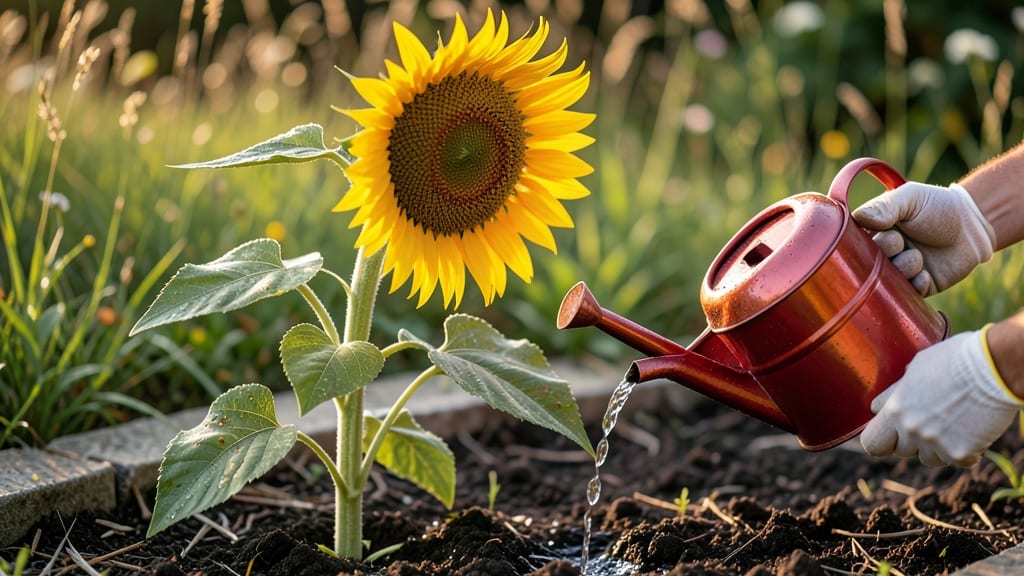
You’ve probably heard that sunflowers 🌻 need a lot of water to grow tall and strong—but what if I told you that’s not always the case? These cheerful giants actually thrive on balance, and overwatering can be just as harmful as letting them dry out.
The key lies in understanding their unique water needs at each growth stage, from seedlings to full bloom.
Most gardeners make the mistake of drowning their sunflowers in an attempt to keep them hydrated, only to watch their roots rot or stems weaken. The truth? Sunflowers are surprisingly resilient once established, but they do need consistent moisture—especially during those hot summer months when they’re reaching for the sky.
Let’s break down exactly how much water they need (and when) so you can grow sunflowers that stand tall and proud.
What you’ll discover here is a simple, science-backed approach to watering that saves time and effort while keeping your sunflowers happy. We’ll cover everything from soil moisture tests to adjusting for heatwaves, so you can avoid common pitfalls like yellowing leaves or floppy stems.
Ready to master the art of sunflower care?
Whether you’re a beginner or a seasoned gardener, these insights will help you nurture sunflowers that not only survive but thrive—without the guesswork. Let’s get those roots drinking just enough to fuel those iconic blooms.


How much water sunflowers actually need (and when)
Sunflowers don't actually need a lot of water—just the right amount at the right time. Many gardeners overestimate their thirst, leading to soggy soil or wasted water. The key is deep, infrequent watering that encourages strong root growth.
Let's break down their needs by growth stage so you can avoid common watering mistakes that stunt those towering stalks.
One of the biggest myths is that sunflowers are high-maintenance water hogs. In reality, they're surprisingly drought-tolerant once established. Their deep taproots seek moisture naturally, but young plants and flowering stages require more attention.
Understanding these stages will help you water like a pro—without drowning your plants or leaving them parched.
| Growth Stage | Watering Frequency | Amount per Watering | Soil Moisture Test | Key Tips |
|---|---|---|---|---|
| Seedlings (0-4 weeks) | Every 2-3 days | ½ inch deep | Top 1 inch dry | Keep soil consistently moist but not soggy |
| Vegetative (4-8 weeks) | Every 3-5 days | 1-2 inches deep | Top 2 inches dry | Encourage deep root growth with thorough soakings |
| Flowering (8-12 weeks) | Every 5-7 days | 2-3 inches deep | Top 3 inches dry | Critical for bloom development—don't skip |
| Seed Production (12+ weeks) | Every 7-10 days | 1-2 inches deep | Top 4 inches dry | Reduce water to prevent lodging |
| Environmental Adjustments: Increase frequency by 50% during heatwaves (90°F+) and reduce by 30% in humid climates | ||||
During the seedling stage, your sunflowers need the most frequent watering—think of it as their baby phase. The soil should stay consistently moist (but never waterlogged) to prevent seedling rot.
A simple test is to stick your finger about 1 inch deep—if it feels dry, it's time to water. This stage is critical because weak seedlings struggle to recover later.
As sunflowers enter the vegetative stage (4-8 weeks), you can gradually reduce frequency while increasing water depth. Aim for 1-2 inches of moisture per watering to encourage those deep roots. I like to use a soaker hose for this stage—it delivers water slowly at the base without disturbing the soil.
This is also when you'll see rapid growth, so watch for signs of wilting leaves as a red flag.
The flowering stage (8-12 weeks) is where many gardeners make mistakes—either overwatering to "help" the blooms or underwatering because they think the plant is established. The truth? This is when sunflowers need consistent moisture but still not too much.
Water deeply every 5-7 days, focusing on the root zone. The goal is to support those heavy blooms without causing stem rot.
Once your sunflowers reach the seed production stage, you can cut back on watering significantly. The plants are now drought-tolerant and can handle every 7-10 days. Reducing water prevents the stems from becoming too soft and prone to lodging.
I've seen massive sunflowers (over 10 feet tall) stay upright with minimal watering at this stage—proof that they're tougher than they look!
Environmental factors play a huge role in sunflower watering needs. During heatwaves (90°F+), increase your watering frequency by 50% to prevent leaf scorch. In humid climates, you can reduce water by 30% since moisture lingers in the air. Always water in the early morning to minimize evaporation
Signs of overwatering vs. underwatering sunflowers (with fixes)
Sunflowers 🌻 send clear signals when their water needs aren't met. Overwatering often starts with yellowing leaves that stay soft to the touch, while underwatering causes crispy, brown edges that crumble easily.
Both conditions stress your plants differently, but spotting the difference early can save your sunflowers from permanent damage. The key is observing both the leaves and the stems for subtle clues.
Let’s tackle the most common mistakes gardeners make. I’ve seen sunflowers drown in soggy soil just as often as I’ve watched them wilt under scorching sun. The good news?
Fixing these issues is simpler than you think. A quick soil check with your finger can reveal whether your plants are thirsty or waterlogged—no fancy tools required.
Overwatering Sunflowers
- Prevents wilting in extreme heat
- Keeps soil cool for seedlings
- Root rot from soggy soil
- Yellow leaves that stay soft
- Hollow stems that snap easily
Fixes for Overwatering
- Let top 2 inches dry out
- Improve drainage with sand
- Water only in morning
- Water daily without checking soil
- Use heavy mulch that traps moisture
- Plant in low-lying areas
For underwatered sunflowers, the signs are equally telling. Look for leaves that curl upward or drop entirely, especially in the afternoon. The stems may feel stiff and brittle, and the soil around them will pull away from the pot or crack in the ground.
These plants are screaming for hydration, but giving them too much too soon can shock their roots even further.
When fixing underwatering, focus on deep watering rather than frequent shallow drinks. Aim the hose or watering can at the base of the plant and let the water soak in for at least 10-15 minutes.
This encourages roots to grow deeper, making your sunflowers more resilient to future dry spells. A quick test: If the soil feels dry 2 inches below the surface, it’s time to water.
One mistake I see often is assuming that larger sunflowers need more water than smaller varieties. While tall sunflowers do drink more as they grow, their roots also extend deeper to access moisture.
The real difference lies in soil type—sandy soil drains faster and requires more frequent watering, while clay holds moisture longer. Adjust your schedule based on what’s in your garden.
Remember, sunflowers are drought-tolerant once established, but they won’t forgive neglect during their first few weeks. Pay extra attention to seedlings, which need consistently moist soil to avoid stunted growth.
Once they’re a few inches tall, you can ease up slightly—but never let them go completely dry. Balance is the secret to those iconic 6-foot stalks we all dream of.