
Flowers
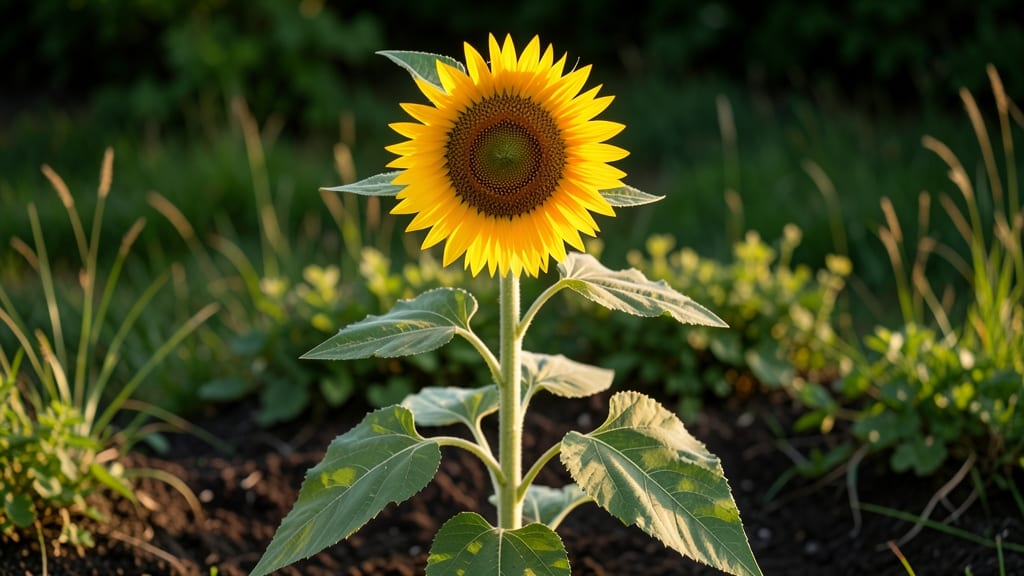
Do sunflowers need full sun to thrive? These towering beauties are a summer garden's pride, but what happens when they don’t get enough light? While they love full sun, these towering beauties can still survive with less, though their iconic blooms and sturdy stems will pay the price.
If you're wondering how much sunlight your sunflowers truly need to thrive, you're in the right place.
Most sunflowers crave 6 to 8 hours of direct sunlight daily to reach their full height and produce those massive, cheerful blooms. Without enough light, you might end up with shorter stems, smaller flowers, and fewer seeds—hardly the sunflower spectacle you envisioned.
But don't worry: even partial shade won't doom your plants entirely.
In this guide, I'll break down exactly how much sunlight sunflowers need, what happens when they don't get enough, and how to position them for success—whether you're planting in a sunny backyard or a container on your patio.
You'll also learn how to spot the signs of insufficient light and how to adjust for your specific growing conditions.
By the end, you'll know exactly where to place your sunflowers for the best results, no matter how much sunlight your garden gets. Let's get started!

How much sun do sunflowers need for maximum growth and bloom height?
Sunflowers are sun-worshippers by nature, and their love for sunlight directly impacts their growth, stem strength, and bloom height. While they can tolerate some shade, full sun exposure is critical for producing those iconic, towering flowers and high-quality seeds.
Let’s break down exactly how much sunlight sunflowers need—and why it matters so much for their development.
Sunflowers thrive with 6 to 8 hours of direct sunlight daily, but they truly shine (literally) when they receive 8+ hours of full sun. This level of light ensures optimal photosynthesis, which fuels their rapid vertical growth and energy storage for seed production.
Without enough sunlight, sunflowers may grow leggy, produce smaller blooms, or even fail to flower altogether.
Here’s the science behind it: Sunflowers use sunlight to convert carbon dioxide and water into glucose through photosynthesis. The more sunlight they receive, the more energy they produce, leading to stronger stems, larger flower heads, and higher seed yields.
In fact, studies show that sunflowers grown in full sun can reach heights up to 30% taller than those in partial shade.
Sunlight duration isn’t the only factor—light intensity also plays a role. Sunflowers prefer bright, direct sunlight, especially during their vegetative growth stage (first 6–8 weeks). If your garden receives filtered or diffused light, such as under tall trees, sunflowers may struggle to develop properly.
In such cases, consider using reflective surfaces, like white mulch or mirrors, to bounce extra light onto your plants.
Regional considerations matter too. Sunflowers in northern climates or high-altitude areas may need more sunlight to compensate for shorter daylight hours. Conversely, in southern regions, afternoon shade can help protect sunflowers from extreme heat, but morning sun is still essential.
Always aim for the longest possible sunlight exposure your location allows.
For container growers, positioning is key. Place your sunflower pots in the sunniest spot available, and rotate them every few days to ensure even growth.
If your balcony or patio only gets partial sun, opt for dwarf sunflower varieties, like 'Teddy Bear' or 'Moulin Rouge,' which tolerate shade slightly better than their towering counterparts.
One common misconception is that sunflowers can thrive in any amount of sun. While they’re resilient, pushing their limits—like planting them in deep shade—will result in underwhelming blooms and weak stems. To maximize their potential, give them the sunlight they crave and watch them reach new heights—literally!
If you’re growing sunflowers for seed production, prioritize full sun even more. Seed development requires significant energy, and insufficient light can lead to smaller, lower-quality seeds.
For the best results, aim for 8+ hours of sun daily and monitor your plants for signs of light stress, like pale leaves or slow growth.
🌻
What happens when sunflowers don’t get enough sunlight?
When sunflowers don't receive adequate sunlight, their growth patterns change dramatically. Instead of reaching those towering heights of 8+ feet, they may only grow 3-5 feet tall, with stems that are weak and prone to bending.
The most obvious sign is smaller flower heads—sometimes as little as half the size of sun-grown varieties. In extreme cases, sunflowers may even fail to bloom entirely, leaving you with just a tall stalk and green leaves.
The photosynthesis process slows down without sufficient light, causing sunflowers to produce less energy. This leads to pale, yellowing leaves and slower overall development. Even if they do flower, the blooms may be sparse or develop unevenly, with some petals failing to fully open.
For seed production, insufficient sunlight is particularly damaging—seeds may develop poorly or not at all, reducing their size and viability.
🌱
⚠️ Critical Warning: Sunflowers in Partial Shade
Sunflowers need at least 6 hours of direct sunlight to thrive. With less than 4 hours, expect:
- Leggy, weak stems (prone to snapping in wind)
- Small, sparse blooms (or no flowers at all)
- Poor seed development (if growing for harvest)
- Pale, stretched leaves (sign of light starvation)
For container growers: Move pots to sunnier spots or use reflective surfaces (like white gravel) to boost light exposure.
Not all sunflower varieties react the same way to limited sunlight. Dwarf varieties, like 'Teddy Bear' or 'Moulin Rouge,' tolerate shade slightly better than their tall counterparts.
These varieties can still produce decent-sized blooms with as little as 4-5 hours of sun daily, though their stems will remain shorter. For giant varieties, like 'Mammoth' or 'Russian Giant,' partial shade is a recipe for disappointment—they simply won't reach their full potential without ample sunlight.
If you've already planted sunflowers in a shady spot, don't despair. You can still improve their growth by pruning leggy stems to encourage bushier growth and fertilizing with a balanced, phosphorus-rich formula to promote flowering.
However, the best solution is to relocate them to a sunnier location as soon as possible—even a few extra hours of sunlight can make a noticeable difference in their development.
For gardeners in northern climates or urban areas with limited sunlight, consider planting sunflowers in containers and moving them to follow the sun throughout the day. Alternatively, choose shade-tolerant varieties and pair them with taller plants that provide afternoon shade but allow morning sunlight to reach your sunflowers.
This strategic placement can help maximize their growth even in less-than-ideal conditions.
🌻