
Flowers
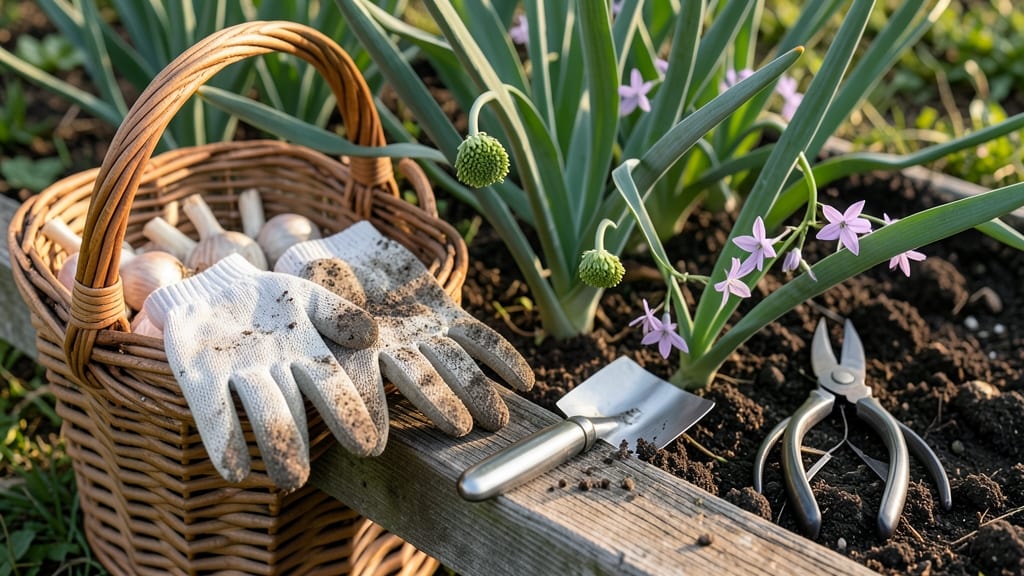
Harvesting garlic at the wrong time can turn your hard work into tiny, flavorless cloves instead of the plump bulbs you’re dreaming of—and the key decision point is whether to harvest before or after those flower stalks appear.
Most gardeners assume you should wait until the plant flowers, but that’s actually the opposite of what 🧄 experts recommend for maximum yield. The truth? Harvesting before the flower stalk (called a scape) emerges gives you the largest, most flavorful bulbs.
But timing is everything, and getting it wrong can mean smaller harvests or even pest problems.
In this guide, I’ll break down the exact signs to watch for—like leaf color changes and bulb firmness—and when to pull those cloves for the best results.
Whether you’re a first-time grower or a seasoned gardener, these tips will help you avoid common mistakes and get the harvest of your life.
Ready to turn your garlic patch into a flavor powerhouse? Let’s dive into the perfect harvest window and why it matters more than you think.


When to harvest garlic for largest bulbs: flowering stage secrets
Harvesting garlic at the right time—especially around its flowering stage—can mean the difference between large, flavorful bulbs and tiny, underdeveloped cloves. Most gardeners make the mistake of waiting for flowers to appear, but the science says otherwise.
The flower stalk (scape) actually diverts energy away from bulb development, so removing it early helps maximize your harvest.
Understanding the biological impact of flowering is key. When garlic plants produce scapes, they’re prioritizing reproduction over bulb growth. This means if you let the plant flower, your bulbs will be smaller and less flavorful.
The good news? You can control this by harvesting at the right moment—before the scape emerges or when your plant shows specific visual cues.
Here’s the critical distinction: Hardneck garlic varieties (like Rocambole and Purple Stripe) produce scapes and are best harvested before flowering. Softneck garlic (like Artichoke and Silverskin) rarely produce scapes and can be left longer, but even these benefit from early harvest timing for optimal size.
| Garlic Type | Flowering Behavior | Ideal Harvest Time | Bulb Size Impact |
|---|---|---|---|
| Hardneck Garlic | Produces scapes (flower stalks) | Before scapes emerge or when lower leaves brown | Largest bulbs (energy directed to bulb) |
| Softneck Garlic | Rarely produces scapes | When 50% of leaves brown (usually late summer) | Medium to large bulbs (less energy diverted) |
| Seed Garlic Production | Must flower for seed | After flowering (let bulbs mature fully) | Smaller bulbs (prioritizes seed over size) |
The perfect harvest window for most gardeners is when the lower leaves turn brown and crispy but before the tops fall over. This usually happens in late summer, around July or August, depending on your climate.
At this stage, the bulb is fully developed, but the plant hasn’t yet wasted energy on flowering.
One of the easiest ways to check readiness is to gently pull back the soil around the base of the plant. If the bulb feels firm and the cloves are plump, it’s time to harvest.
If the bulb is still small or loose, wait a few more days. This simple test saves you from harvesting too early and ending up with underdeveloped bulbs.
If you’re growing hardneck garlic, you’ll notice the scape (flower stalk) emerging in early summer. This is your cue to act quickly. You can either remove the scape to redirect energy to the bulb or harvest the entire plant before it flowers.
Removing the scape alone won’t guarantee larger bulbs—you still need to time your harvest correctly.
For softneck garlic, the process is simpler since scapes are rare. Focus on the leaf color and bulb firmness. Softneck varieties often take a little longer to mature, so don’t rush the harvest. Patience here pays off with larger, more storable bulbs that keep well throughout the winter.
Harvesting too late can lead to bulb splitting or even rot, especially in humid climates. Once the tops fall over or the leaves turn completely brown, the bulb is past its prime.
The sweet spot is when about half the leaves are brown, but the plant is still upright and healthy.
Pro tip: Keep a harvest journal to track when your garlic is ready each year. Note the date when leaves start browning, the weather conditions, and how long it took for the bulbs to reach their ideal size.
Over time, you’ll develop a keen eye for the perfect harvest moment in your specific growing conditions.
Remember, the goal is to maximize bulb size while ensuring flavor and storage potential. By harvesting before flowering—especially for hardneck varieties—you’ll enjoy the rewards of your hard work: plump, flavorful garlic bulbs that make every recipe shine. 🧄
Step-by-step guide: how to harvest garlic at the perfect time
Now that you understand why timing matters, let’s get practical. Harvesting garlic at the right moment requires checking three key visual cues: leaf color, bulb firmness, and the plant’s overall structure.
The goal is to pull your garlic when the bulb is fully developed but before the plant diverts energy to flowering or seed production.
For most gardeners, the ideal harvest window falls when about 50-60% of the lower leaves turn brown and crispy. This typically occurs in late summer, around July or August, depending on your climate zone.
If you wait until the entire plant collapses or the leaves turn completely brown, you risk bulb splitting or rot—especially in humid conditions.
- 1 Check leaf color: Look for 50-60% brown lower leaves while upper leaves remain green. Avoid harvesting if leaves are still mostly green or fully brown.
- 2 Test bulb firmness: Gently dig around one plant’s base. If the bulb feels firm and rounded with tight paper skin, it’s ready. If it’s loose or small, wait 3-5 more days.
- 3 Inspect scapes (hardneck only): If your hardneck garlic has produced a flower stalk (scape), remove it to redirect energy to the bulb—but still harvest when leaves brown, not just because the scape appears.
- 4 Harvest on a dry day: Choose a sunny, dry morning to harvest. Wet soil makes bulbs dirty and increases rot risk during curing.
- 5 Use clean tools: Grab a sharp garden fork or spade (not a shovel) to avoid damaging bulbs. Work gently to lift entire plants without breaking stems.
Once you’ve confirmed your garlic is ready, harvest by carefully lifting the entire plant from the soil. Shake off excess dirt but leave the roots attached—this helps the bulbs cure properly.
Avoid washing or trimming the bulbs immediately, as moisture speeds up spoilage. Instead, lay them in a well-ventilated, shady spot for 1-2 hours to dry slightly before curing.
After harvesting, the curing process is just as critical as timing. Hang your garlic in a dry, dark place with good airflow (like a garage or basement) for 2-4 weeks. This dries the outer skins, making them papery and storable.
If you skip curing, bulbs may rot or sprout prematurely. Pro tip: Bundle stems together with rubber bands to keep bulbs off damp surfaces during curing.
Common mistakes to avoid include harvesting too early (small bulbs) or too late (split bulbs). If you’re unsure, err on the side of waiting a few extra days—overripe garlic won’t improve, but underripe bulbs can still mature with proper care.
For hardneck varieties, removing the scape alone won’t guarantee larger bulbs; you still need to harvest at the right leaf-color stage.
With these steps, you’ll transform your garlic patch into a flavorful, high-yield harvest that stores beautifully through winter. Happy harvesting! 🌱