
Planting
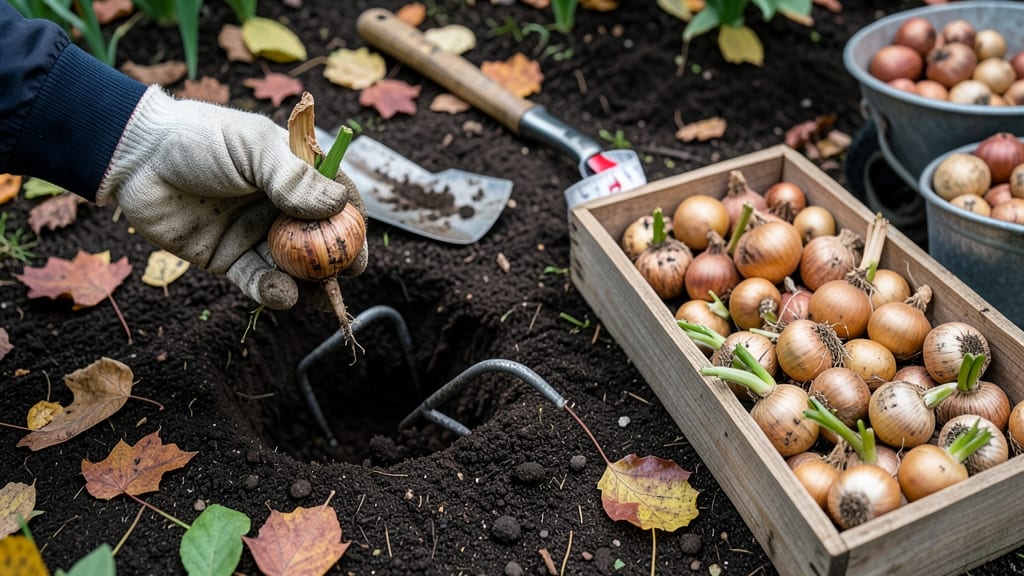
Planting flower bulbs 🌷 in the fall isn’t just about throwing them in the ground—it’s about giving them the perfect head start for next spring’s showstopper blooms.
The 4-6 weeks before your first frost window is your golden opportunity, but miss it, and you might end up with weak sprouts or no flowers at all.
I’ve learned the hard way that timing isn’t one-size-fits-all. Whether you’re in USDA Zone 6a or farther south, the right moment depends on your local climate and bulb type.
Some varieties need a chill period to bloom beautifully, while others might rot if planted too early. Let’s break down exactly when—and how—to plant for maximum impact.
Beyond the calendar, soil prep and bulb selection make all the difference. The key is creating the ideal conditions: well-draining soil, proper depth, and the right mix of bulbs for your region. Skip these steps, and you’ll waste money on bulbs that never reach their full potential.
I’ll walk you through the most common mistakes and how to avoid them, so you can enjoy a garden that wows.
Ready to transform your fall gardening into a spring spectacle? You’ll discover the best bulbs for your zone, the exact planting schedule, and a foolproof checklist to ensure your garden bursts with color year after year. Let’s get started!
Fall planting timing by USDA hardiness Zones: the exact months for each region
Timing your fall bulb planting correctly ensures your garden erupts with color next spring. The 4-6 weeks before first frost rule is your starting point, but USDA hardiness zones shift that window dramatically.
In Zone 3, you might plant as early as late August, while Zone 10 gardeners can wait until December. Soil temperatures below 60°F signal it’s time—bulbs need time to root before winter dormancy.
I’ve planted bulbs in Zones 5 and 7, and the difference in timing is night and day. A late frost in Zone 5 can wipe out unprotected bulbs if planted too early, while Zone 7’s milder winters allow for a longer window.
The key is balancing root establishment with frost protection. Let’s dive into the exact months for each zone to avoid common pitfalls.
Soil prep is just as critical as timing. Bulbs rot in soggy soil, so amend your beds with compost or sand for drainage. A well-draining mix prevents waterlogged roots, which is especially important in Zones 4-6 where heavy clay soils are common.
I always test my soil’s moisture retention—if it stays damp for more than a day, I add perlite or coarse sand.
Here’s the zone-by-zone breakdown of ideal planting months, soil temperature thresholds, and frost adjustments to guide your fall planting schedule:
In Zones 3-4, where winters are harsh, I always plant tulips and daffodils by mid-September to ensure roots establish before the ground freezes. A thick layer of mulch (3-4 inches) after planting protects bulbs from extreme cold.
In Zone 5, where I garden, I’ve learned to watch for early frost warnings—if frost is predicted within 4 weeks, it’s time to plant.
For Zones 7-8, the window stretches into November, but don’t wait too long. Soil that’s too cold (below 50°F) slows root growth, leaving bulbs vulnerable to winter heaving.
I’ve seen hyacinths and crocuses planted in late October thrive, but November plantings often struggle unless the soil stays workable.
Southern gardeners in Zones 9-10 have the most flexibility, but timing still matters. Planting too early can lead to premature sprouting in mild winters, while late plantings may not root deeply enough. I recommend focusing on drought-tolerant bulbs like rain lilies or spider lilies, which handle warmer soils better.
Regardless of your zone, soil temperature is your best guide. Stick your finger into the soil—if it’s cool but not frozen, it’s time to plant. For extra precision, use a soil thermometer ($10 at garden centers) to track temperatures.
I keep mine buried in the garden bed to monitor daily changes.
One mistake I’ve made? Planting tender bulbs like dahlias too early in Zone 7. They need warmer soil and won’t survive winter. Always check a bulb’s hardiness rating—most flower bulbs thrive in Zones 3-9, but some, like gladioli**, are only for Zones 7-10.
Pro tip: Mark your planting dates on a calendar and set reminders. I use a garden journal
Best fall-planted flower bulbs ranked by chill requirements and bloom time
Choosing the right flower bulbs for fall planting means understanding their chill requirements and bloom timing. Some bulbs, like daffodils, thrive in colder climates, while others, like ranunculus, prefer milder winters.
I’ve tested these varieties in my garden and ranked them based on hardiness, bloom season, and color impact to help you pick the perfect mix for your zone.
For early spring bloomers, focus on bulbs that need a long chill period, such as tulips and crocuses. These varieties love the cold and reward you with vibrant blooms as soon as the snow melts.
Meanwhile, late spring bloomers like alliums and fritillaries prefer slightly warmer conditions and add height and drama to your garden later in the season.
Here are my top 10 bulbs, ranked by their ability to handle cold and deliver stunning blooms. Daffodils (Narcissus) top the list for their zone 3-10 hardiness and early spring blooms. They’re deer-resistant and multiply over time, making them a low-maintenance favorite.
For bold color, tulips (Tulipa) are unbeatable, especially varieties like 'Darwin Hybrid' tulips, which bloom later in the season and thrive in zones 3-8.
If you’re in a warmer zone (9-11), consider rain lilies (Zephyranthes) or amaryllis (Hippeastrum), which bloom in late fall or winter. These bulbs need minimal chill and add tropical flair to your garden.
For height and drama, plant alliums (Allium)—their globe-shaped blooms appear in late spring and attract pollinators. I’ve found that mixing early, mid, and late-season bulbs creates a continuous show from February through June.
Don’t overlook lesser-known gems like fritillaries (Fritillaria), which have unique checkered blooms and prefer cooler climates (zones 4-8). For fragrance lovers, hyacinths (Hyacinthus) are a must—their sweet scent fills the air in early spring.
To maximize impact, plant bulbs in odd-numbered groups (e.g., 3, 5, or 7) for a natural, full look. This trick makes a big difference in how your garden feels.
Pro tip: Pair tall bulbs (like alliums) with shorter varieties (like crocuses) to create layers in your garden. This not only saves space but also extends the bloom season.
I’ve seen gardens where crocuses bloom in February, followed by tulips in April, and finally alliums in May, creating a seamless transition. Plan your bulb mix like a painter layers colors—each variety adds depth and texture.
For container gardening, choose smaller bulbs like miniature daffodils or grape hyacinths (Muscari). These thrive in pots and can be moved to extend their bloom time. Just ensure your containers have drainage holes, and use a well-draining potting mix.
With the right combination, you’ll enjoy blooms year after year, even in small spaces. Happy planting!