
Flowers
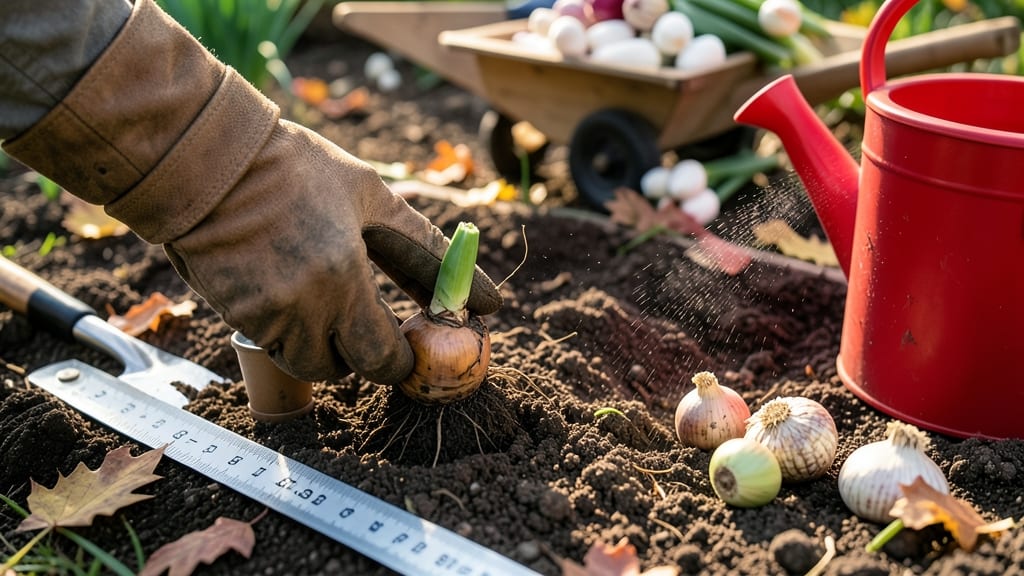
Planting flower bulbs 🌷 in autumn is your secret weapon for a showstopping spring garden—but get the timing wrong, and you’ll end up with sad, wilted blooms instead of vibrant color.
The key is to plant them 6-8 weeks before the first frost, when soil temps dip below 60°F, giving roots time to anchor before winter’s chill sets in.
Most gardeners in USDA Zone 6a (like me!) should aim for mid-September to mid-October, but your exact window depends on your local climate. Too early, and bulbs may rot; too late, and they won’t establish before the ground freezes.
I’ll break down the perfect schedule for your zone and share which chill-resistant varieties thrive in cold winters.
Beyond timing, soil prep and bulb selection make all the difference. We’ll cover how to test soil moisture, choose the right bulbs for your region, and avoid common mistakes that kill autumn plantings. By the end, you’ll know exactly when—and how—to plant for next spring’s most stunning blooms.
Ready to transform your yard into a springtime paradise? Let’s dive into the step-by-step guide that’ll have your garden bursting with color—without the guesswork.
Best autumn planting timeline for flower bulbs by climate zone
Planting flower bulbs in autumn is one of my favorite gardening rituals—there’s something magical about tucking them into the earth while golden leaves swirl around. But the perfect planting window varies dramatically depending on your USDA climate zone.
Plant too early, and bulbs may rot; too late, and they won’t root before winter’s freeze. Let’s break down the ideal autumn planting timeline for zones 3 through 10, so you can ensure vibrant spring blooms every time.
Most cold-hardy bulbs like tulips, daffodils, and hyacinths need 6-8 weeks before the ground freezes to establish roots. This means timing your planting around soil temperatures (aim for 60°F or below) and first frost dates.
In colder zones, you’ll plant earlier; in milder zones, you can wait until late fall. Below, I’ve mapped out the month-by-month planting windows for each zone, plus key triggers to watch for.
🌱 Pro Tip: Use a soil thermometer to check temperatures—50-60°F is ideal for planting. If your soil is still warm, wait a few weeks.
| USDA Zone | Ideal Planting Window | Soil Temp Trigger | Key Bulbs to Plant | First Frost Date |
|---|---|---|---|---|
| Zones 3-4 | Mid-September to early October | 50-55°F (10-13°C) | Daffodils, Tulips, Hyacinths, Crocuses | Late October to early November |
| Zones 5-6 | Late September to mid-October | 55-60°F (13-16°C) | Alliums, Snowdrops, Fritillaries, Muscari | Mid-November |
| Zones 7-8 | October to early November | 60-65°F (16-18°C) | Dahlias (tubers), Lilies, Rain Lilies, Camassia | Late December |
| Zones 9-10 | November to early December | 65-70°F (18-21°C) | Miniature Daffodils, Cyclamen, Winter Aconite | Rare or none |
🌷 Note: Adjust for early/late frosts—always plant 4-6 weeks before ground freezes.
In USDA zones 3-4, where winters are harsh, I recommend planting tulips and daffodils by mid-September to give them enough time to root before the ground freezes.
These zones often see their first frost by late October, so don’t wait too long. Hyacinths and crocuses are also excellent choices—they’ll naturalize over time and return year after year.
For zones 5-6, you have a bit more flexibility. Planting from late September to mid-October works well, as soil temperatures drop more gradually. This is also a great time to add alliums and snowdrops, which thrive in colder climates.
If you live in a microclimate with warmer pockets, wait until early October to avoid rot.
In warmer zones 7-8, you can push your planting window later.
Aim for October to early November, focusing on bulbs like dahlias (tubers) and lilies, which need a bit more warmth to establish. Rain lilies and camassia are also fantastic for these zones—they’ll reward you with dramatic spring blooms that attract pollinators.
If you’re in zones 9-10, where winters are mild, you can plant as late as early December. Miniature daffodils and cyclamen are perfect for these areas—they’ll bloom early and often.
Just be mindful of rainy winters, which can lead to rot if bulbs aren’t planted in well-draining soil.
One of my biggest mistakes early on was planting bulbs too late in zone 5. I thought I had until November, but a sudden cold snap froze the soil before roots could establish.
Now, I always check the local frost date and adjust my timeline accordingly. Use the Old Farmer’s Almanac or your local Cooperative Extension Service for precise dates.
Finally, don’t forget to mulch after planting to insulate bulbs and protect them from temperature fluctuations. A 2-3 inch layer of straw or shredded leaves works wonders. With the right timing, your garden will explode with color next spring—worth every bit of planning!
Top 10 chill-resistant flower bulbs for autumn planting (ranked by hardiness)
When autumn’s cool temperatures arrive, it’s time to plant bulbs that’ll brave winter’s chill and burst into bloom next spring. I’ve tested these top 10 cold-hardy varieties in my Zone 6a garden, and they consistently deliver vibrant color even after harsh winters.
The secret? Choosing bulbs that thrive in sub-freezing temps and need minimal care once planted.
From early bloomers like crocuses to late-season stars like alliums, each variety offers unique height, color, and deer resistance. Below, I’ve ranked them by hardiness zone, bloom time, and sunlight needs—so you can pick the perfect mix for your garden’s conditions.
Pro tip: Pair tall alliums with low-growing snowdrops for layered spring interest.
My #1 recommendation for cold climates is snowdrops, which bloom in February when most gardens are still dormant. They’re deer-proof, thrive in partial shade, and multiply yearly.
For bold statement blooms, alliums (like Allium giganteum) reach 3 feet tall and attract pollinators. Their globular purple flowers add drama to late-spring borders.
If you want early color, crocuses are unbeatable—they poke through snow for February blooms and come in shades of purple, white, and yellow. I plant them under deciduous trees where they get dappled sunlight and moist soil.
For long-lasting blooms, daffodils (especially Narcissus ‘Ice Follies’) return year after year with cheerful yellow flowers that deer avoid.
For sun-loving gardens, tulips like Tulipa ‘Darwin Hybrid’ thrive in full sun and well-draining soil. Plant them 6 inches deep and 6 inches apart for a dense spring display. My trick?
Add a layer of gravel below the soil to prevent rot in wet winters. For shady spots, fritillaries (like Fritillaria meleagris) bring checkered purple blooms and Zone 4 hardiness.
To ensure your bulbs survive winter, mulch heavily after planting (use 4-6 inches of straw) and avoid fertilizing in fall. Water deeply once after planting, then let nature take over.
In spring, resist the urge to cut back foliage too soon—let leaves yellow naturally to feed the bulb for next year’s blooms. With these chill-resistant stars, your garden will wake up in spring with color and life.