
Size
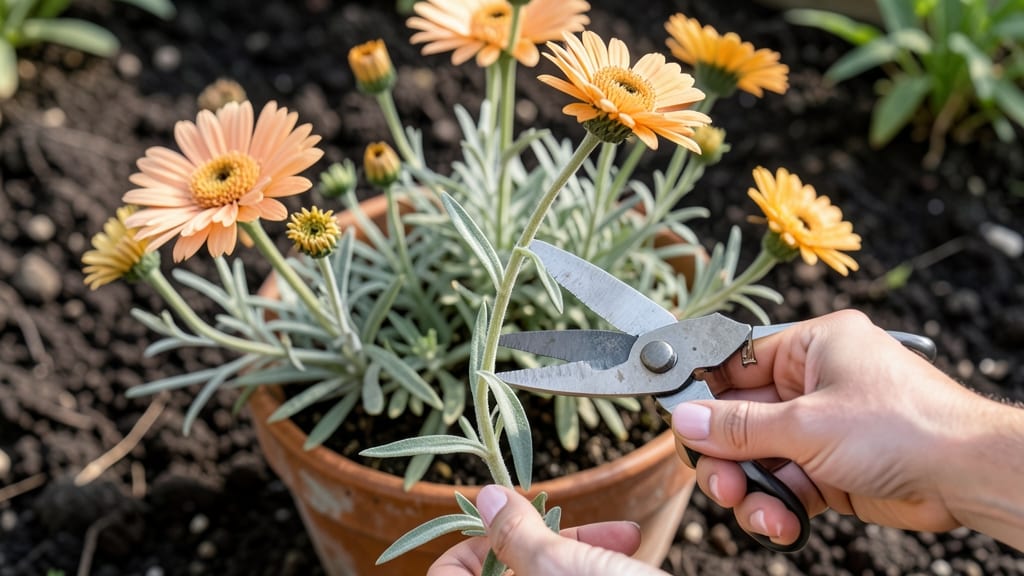
Do you pinch strawflower? If so, you’re onto a game-changer for fuller, more vibrant blooms that last all season. If you've ever wondered why some 🌼 plants grow leggy while others burst with color, the answer lies in strategic trimming at the right time.
This simple technique works by encouraging your strawflower to branch out instead of growing tall and sparse. When done correctly, pinching in early spring (just after planting) can double your flower count by stimulating new growth from the base. It’s a 5-minute task that pays off in bold, long-lasting blooms.
But timing and technique matter—pinch too late or too aggressively, and you risk stunting your plant. I’ll walk you through the exact steps, from identifying the perfect stems to using the right tools, so you can avoid common mistakes and keep your strawflowers thriving.
Ready to transform your garden? Let’s dive into the proven method for bushier plants and longer-lasting blooms that’ll make your neighbors green with envy.
Why and when to pinch strawflower stems for bushier growth
Strawflowers (Helichrysum bracteatum) are stunning annuals known for their papery, long-lasting blooms that dry beautifully. But did you know pinching stems can transform your plants from leggy to lush?
This simple technique encourages more branches and flowers, but timing and method matter. Let me show you how to do it right for healthier, bushier strawflowers.
Pinching isn't just about trimming—it's about stimulating growth hormones that trigger side shoots. When you remove the top set of leaves, the plant redirects energy to lateral buds, creating a fuller shape.
For strawflowers, this means more blooms and stronger stems. The best part? It only takes a few minutes and works wonders for both container-grown and in-ground plants.
Now, let's tackle the perfect timing. You should pinch strawflowers once in early spring (when they're about 6 inches tall) and again in early summer if they're still leggy.
Avoid pinching after mid-summer, as the plant focuses on flower production rather than new growth. Here's exactly how to do it:
How to Pinch Strawflower Stems
- 🌱 Choose healthy plants that are 6-8 inches tall with at least 4-6 leaves.
- ✂️ Use clean pruners or fingers to pinch off the top set of leaves just above a leaf node (where leaves grow).
- 🌿 Remove no more than 1/3 of the plant's height in one session to avoid stress.
- 💧 Water thoroughly after pinching to help the plant recover and encourage new growth.
- ☀️ Ensure full sun (6+ hours daily) to support rapid regrowth and flowering.
You might wonder: Does pinching affect bloom size? The answer is yes—pinched strawflowers typically produce smaller but more abundant blooms. If you prioritize fewer, larger flowers, skip pinching and let the plant grow tall.
But for maximum volume and bushiness, pinching is your best friend. Think of it like training a plant to branch out like a bush instead of growing straight up.
First-time pruners often ask: What if I pinch too much? Over-pruning can shock the plant and delay flowering. Stick to one pinch per season unless your strawflowers are extremely leggy.
If you notice yellowing leaves or stunted growth after pinching, reduce water slightly and move the plant to a sunnier spot to recover. Patience is key—new growth should appear within 2-3 weeks.
Another pro tip: Pinch younger plants first. Strawflowers started from seed respond best to early pinching, while transplanted mature plants may not need it. If you're growing strawflowers in containers, pinch slightly more aggressively to encourage compact growth.
Just remember—smaller pots mean less root space, so avoid heavy pruning that could stress the plant.
Let’s talk about the tools you’ll need. You don’t need fancy equipment—just clean pruners or your fingers. Sterilize your tools with rubbing alcohol to prevent disease. For large batches, a small pair of bypass pruners (like Felco’s) makes the job easier.
And if you’re nervous about pinching, start with just one or two plants to see how they respond before committing to your whole garden.
Here’s what to expect after pinching: Within 1-2 weeks, you’ll see new side shoots forming at the leaf nodes. These will eventually grow into flowering stems, giving you a fuller, more productive plant.
By late summer, your pinched strawflowers should be bursting with blooms compared to unpinched plants. It’s like giving your garden a second chance at abundance!
For extra results, pair pinching with balanced fertilization (like a 5-10-10 NPK mix) every 4-6 weeks during the growing season. This gives your strawflowers the nutrients they need to recover quickly and produce more blooms. And don’t forget—deadhead spent flowers to encourage continuous blooming throughout the season.
Now that you know the why and how of pinching strawflowers, it’s time to grab your pruners and get growing! Whether you’re a beginner or a seasoned gardener, this technique will transform your strawflowers into lush, flowering powerhouses. Happy pinching—and enjoy those long-lasting, vibrant blooms all season long! 🌼
Common mistakes to avoid when pinching strawflowers
Even experienced gardeners can make costly mistakes when pinching strawflowers. The most common error? Pinching at the wrong time—like waiting until late summer when the plant is already focusing on blooming. This delays new growth and can leave your strawflowers looking sparse instead of bushy.
Another frequent mistake is targeting the wrong stems. Always pinch just above a leaf node, not in the middle of a stem, or you’ll stunt growth entirely.
Many gardeners also over-prune by removing too much foliage at once. Remember: never take more than 1/3 of the plant’s height in a single session. This rule prevents shock and gives your strawflowers the best chance to recover.
Even small errors can lead to yellowing leaves or stunted growth, so precision matters.
Here’s the critical warning: Pinching too late in the season can permanently reduce your plant’s flowering potential. Strawflowers need time to recover and develop new branches before blooming. If you miss the early spring window, you might end up with fewer flowers and weaker stems.
⚠️ Do You Pinch Strawflower? Avoid These Risks
❌ Wrong Timing: Pinching after mid-summer can halt new growth and reduce blooms by up to 50%.
❌ Over-Pruning: Removing >1/3 of the plant stresses roots and may cause irreversible stunting.
❌ Wrong Stems: Pinching mid-stem (not at a node) blocks lateral buds from forming.
✅ Pro Tip: Use your fingers for precision—no need for heavy tools!
Another mistake is ignoring plant health before pinching. If your strawflowers show signs of stress—like pale leaves or wiltingpests or disease first, as these can weaken the plant’s ability to bounce back.
Lastly, many gardeners forget to water and fertilize after pinching. This is crucial because the plant needs extra nutrients to support new growth. A light application of balanced fertilizer (5-10-10 NPK) and consistent watering will help your strawflowers recover faster.
Skipping this step can lead to slow regrowth or weak stems.
By avoiding these mistakes, you’ll ensure your strawflowers grow fuller, stronger, and more productive. Pinching done right can double your bloom count—so take your time, follow the rules, and enjoy a garden bursting with color! 🌼