
Flowers
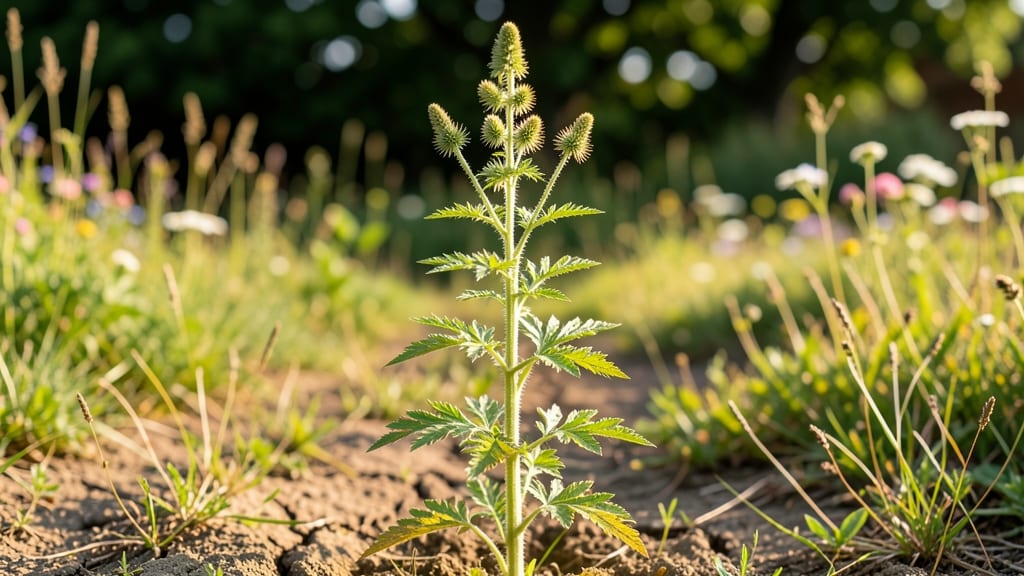
If you’ve ever sneezed through summer and blamed "the season," you might be dealing with ragweed—but does this notorious weed actually flower? The answer isn’t just yes—it’s a game-changer for allergy sufferers like me who’ve spent years chasing relief.
Ragweed’s tiny green flowers 🌿 may look harmless, but they’re the source of billions of pollen grains that turn your yard into an allergy hotspot. These flowers don’t just appear—they explode in late summer, turning peaceful gardens into pollen bombs.
Understanding their cycle is the key to outsmarting your symptoms before they peak.
What’s wild is how fast ragweed flowers spread and release pollen—sometimes within 24 hours of blooming. That means if you spot those sneaky green clusters, it’s time to act. I’ll show you how to identify them early, track pollen forecasts, and even reduce your exposure before the worst hits.
Skip the guesswork and the suffering. By the end, you’ll know exactly when ragweed flowers, why they’re so problematic, and how to keep them from ruining your outdoor plans. Let’s get started.
When and why ragweed flowers trigger allergies
Yes, ragweed does flower, and those flowers are the main culprit behind those miserable late-summer allergies. Each plant produces hundreds of tiny pollen grains that travel for miles on the wind, triggering sneezing, itchy eyes, and congestion in millions of people.
The flowering cycle starts early and peaks when you least expect it.
Ragweed flowers are small, greenish, and often overlooked, but their impact is massive. Unlike showy garden flowers, ragweed’s blooms are inconspicuous—designed for wind pollination rather than attracting bees or butterflies. This makes them even more problematic because they go unnoticed until pollen counts soar.
Ragweed flowering season typically begins in late July or August and can stretch into October or November, depending on your region. That’s why allergies often worsen when other plants have already stopped blooming. The longer the growing season, the worse the pollen production.
Here’s why ragweed’s flowers are so effective at causing allergies: each plant can produce 1 billion pollen grains per season, and a single plant can pollinate others within a 40-mile radius.
That’s why even if you don’t see ragweed growing near your home, you might still suffer from its pollen.
Climate plays a huge role in ragweed’s flowering timeline. Warmer temperatures and longer growing seasons—like those in the Southern and Midwestern U.S.—can extend the flowering period.
For example, in Texas or Florida, ragweed may start blooming as early as June, while in New England, it might not peak until September.
Regional variations also matter. In coastal areas, ocean breezes can dilute pollen, while inland regions see higher concentrations. Urban areas with disturbed soil (like construction sites) often have more ragweed, worsening local allergies. If you live near fields or roadsides, you’re more likely to experience severe symptoms.
Ragweed’s flowers are also highly efficient at producing allergens. The pollen contains proteins that trigger immune responses in sensitive individuals. Unlike tree or grass pollen, ragweed pollen is lightweight and sticky, allowing it to cling to clothes, pets, and even indoor surfaces.
That’s why allergies can persist even after you’ve come inside.
Understanding ragweed’s flowering cycle helps you prepare. If you know your local ragweed season, you can stock up on antihistamines, close windows, and wear sunglasses outdoors to protect your eyes.
Early detection of ragweed in your yard can also help you remove plants before they flower, reducing pollen spread.
So next time you sneeze uncontrollably in late summer, remember: those tiny, unassuming flowers are the real villains. The key to managing allergies is knowing when ragweed flowers—and how to outsmart its pollen.
How to identify ragweed flowering stages and pollen release
Yes, ragweed does flower, and those flowers are the main culprits behind your summer allergies. Understanding its flowering stages helps you predict pollen spikes and take action. Ragweed produces tiny, greenish-yellow flowers that look like small spikes, often hidden among its coarse leaves.
These flowers appear between late July and October, with peak pollen release in August and September. Unlike many plants, ragweed flowers are wind-pollinated, meaning they don’t need bees—just a breeze to spread their pollen far and wide.
This is why ragweed pollen can travel up to 400 miles from its source!
- Stage 1: Bud Formation
Tiny green buds appear on hairy stems in early summer. Look for clustered growth near the base of leaves. - Stage 2: Flowering Begins
Greenish-yellow spikes emerge (not bright yellow!). Flowers are 1/8" long and hang downward. - Stage 3: Peak Pollen Release
Flowers turn brownish as pollen spreads. Morning hours (6–10 AM) have the highest pollen counts. - Stage 4: Seed Development
Flower spikes dry out, forming tiny seed pods. One plant can produce 1,000+ seeds—each viable for years!
To spot ragweed early, focus on its rough, lobed leaves and tall, branching stems. Unlike dandelions, ragweed flowers are not showy—they’re small and often overlooked until pollen counts rise. Use a hand lens to inspect suspicious plants near sidewalks or disturbed soil.
Tracking pollen forecasts is easier than ever. Apps like Pollen.com or Weather.com provide real-time ragweed pollen maps. On high-risk days, keep windows closed, use HEPA air purifiers, and wear sunglasses outdoors to protect your eyes from irritants.
If ragweed invades your yard, pull it before seeds form. Wear gloves and long sleeves—ragweed sap can cause skin irritation. For large patches, consider vinegar spray (20% acetic acid) or mulching to block sunlight and prevent regrowth.
Knowing these stages helps you stay ahead of allergies and protect your garden. Next time you see those sneeze-inducing pollen counts, you’ll recognize the tiny greenish-yellow culprits behind them! 🌱