
Orchid Care
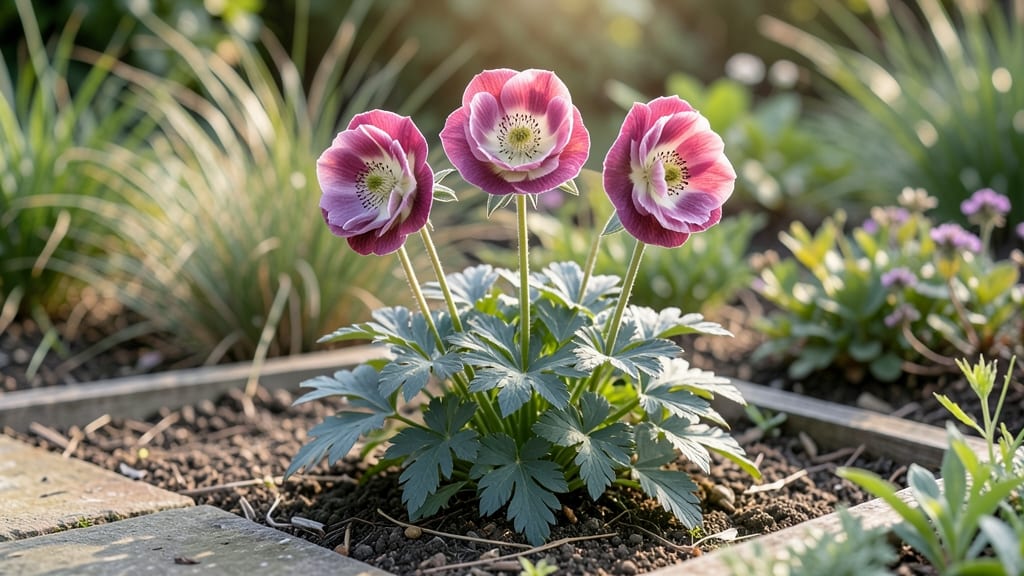
If your columbine blooms feel a little shy, double flowered columbine 🌸 could be the showstopper your garden needs—but only if you prune them right. These lush varieties pack twice the petals, but their full potential gets stunted when gardeners skip the key trimming steps.
I’ve grown them for years, and what I’m about to share will transform those delicate stems into a cascade of larger, showier blooms.
The secret lies in timing and technique. Most people prune too late or too aggressively, which actually shrinks those prized double blooms. Instead, you’ll learn the exact moments to snip—like right after the first flush of flowers—to encourage a second, even more dramatic round.
No more wimpy stems or sparse displays; just bold, healthy growth that thrives in USDA Zone 6a and beyond.
Whether you’re planting in early spring or late fall, I’ll walk you through the step-by-step pruning guide that’s kept my columbines blooming for weeks. Plus, we’ll tackle common mistakes—like cutting back too hard—that leave your plants looking ragged instead of regal.
Ready to turn your columbine patch into a garden centerpiece?
Let’s get started with the pruning tricks that’ll have your neighbors asking for cuttings—and your double flowered columbine stealing the show.
Why double flowered columbine needs strategic pruning for maximum blooms
Double flowered columbine 🌸 isn't just pretty—it's a powerhouse of petals, but only if you prune it correctly. These varieties produce two layers of blooms instead of one, creating those lush, layered flowers we all love. However, their genetic energy is split between creating more petals and maintaining plant health. Without strategic pruning, that energy gets wasted on weak stems or fewer blooms instead of bigger, showier displays.
The key lies in understanding how plant hormones respond to pruning. When you cut back at the right time, you trigger a surge of auxin hormones, which redirect energy from leaf production to flower development.
This is why your double columbine might look healthy but still produce smaller, sparse blooms—it’s not getting the right signals to prioritize flowers over foliage.
Most gardeners make the mistake of pruning after the blooms fade, but that’s too late. By then, the plant has already allocated its energy. Instead, you’ll want to prune right after the first flush of flowers to encourage a second, even more dramatic round of blooms.
This timing trick is what transforms a scattered display into a continuous cascade of color from early summer through fall.
Another critical factor is stem thickness. Thicker stems indicate a plant that’s storing more energy reserves. When you prune too aggressively, you remove these reserves, leaving the plant struggling to rebound.
The goal is to shape without sacrificing—cutting back just enough to encourage bushier growth while preserving the plant’s ability to produce larger, double-layered blooms.
Let’s compare how timing and technique directly impact your columbine’s performance. The table below breaks down the differences between correct pruning and common mistakes that lead to smaller, fewer blooms.
| Pruning Method | Timing | Result on Double Blooms | Plant Health Impact |
|---|---|---|---|
| Strategic Pruning | After first bloom flush (late spring) | Larger, denser blooms with second round | Healthy, bushier growth; strong stems |
| Late Pruning | After all blooms fade (summer/fall) | Smaller, fewer blooms next season | Weak stems; reduced energy reserves |
| Aggressive Pruning | Cutting back more than 1/3 of plant | Stunted growth; no double blooms | Stress response; potential dieback |
| No Pruning | Never trimmed | Single-layer blooms only | Tall, leggy stems; poor structure |
The science behind double blooms is fascinating. These varieties naturally produce two whorls of petals instead of one, which requires more energy. When you prune strategically, you’re essentially telling the plant, “Focus your energy here, not there.”
This redirection is what turns a decent bloom into a garden showstopper.
Think of it like training a plant athlete. Just as a runner needs the right rest and fuel to perform, your columbine needs the right pruning signals to maximize its flowering potential. Skip this step, and you’ll end up with a plant that’s all foliage and no fireworks.
But with the right approach, you’ll have blooms so dense they look like they’re spilling over with petals.
One of the biggest misconceptions is that pruning will reduce the number of blooms. In reality, it does the opposite—it encourages more blooms by promoting healthier, more vigorous growth. The trick is to prune at the right nodes, which are the points where leaves and stems meet.
Cutting just above a leaf node signals the plant to grow new stems from that point, each capable of producing its own set of double blooms.
For USDA Zone 6a gardeners, timing is everything. Prune too early, and you’ll cut off potential blooms before they even form. Prune too late, and you’ll miss the opportunity to stimulate a second bloom cycle.
The ideal window is late spring to early summer, right after the first flush of flowers has faded but before the plant puts all its energy into seed production. This timing ensures your columbine has enough time to recover and rebloom before the cooler months arrive.
If you’ve ever wondered why your double flowered columbine looks healthy but still produces small, sparse blooms, the answer is likely in your pruning habits.
The right cuts at the right time can double your bloom count and make each flower 20-30% larger. It’s not just about trimming—it’s about
Step-by-step pruning guide to encourage larger double blooms
Now that you understand why pruning matters, let’s get to the actionable steps. Pruning your double flowered columbine at the right time and in the right way will transform those delicate stems into a showstopping display of larger, more abundant blooms.
The key is to focus on timing, technique, and tools—all of which I’ve perfected over years of growing these stunning plants in USDA Zone 6a.
First, gather your tools. You’ll need sharp pruning shears (cleaned with rubbing alcohol to prevent disease), hand pruners for smaller cuts, and gloves to protect your hands from the plant’s mild sap.
A small spray bottle with water is also helpful for keeping cuts clean and reducing stress on the plant. Avoid using dull tools, as they can crush stems and invite infections—this is especially critical for double blooms, which are more sensitive to stress.
-
Step 1: Identify the Right Time
Prune immediately after the first flush of blooms fades (late spring to early summer). Look for wilting petals and yellowing leaves—this signals the plant has finished its primary bloom cycle. Wait too long, and you’ll miss the chance to trigger a second, even more dramatic round of double blooms.
-
Step 2: Locate the Leaf Nodes
Find the leaf nodes—these are the small bumps where leaves and stems meet. These nodes are where new growth will emerge. Cut just above a leaf node, leaving at least 2-3 sets of leaves below the cut to ensure the plant has energy to recover.
-
Step 3: Make Clean Cuts at a 45-Degree Angle
Use your sharp pruning shears to make a 45-degree angle cut about 1/4 inch above the node. This angle helps water run off the cut, reducing the risk of rot. Avoid tearing the stem, as this can damage the plant’s ability to heal and produce new growth.
-
Step 4: Focus on Thicker Stems First
Prioritize cutting back thicker stems (about pencil thickness or larger). These stems store more energy, and pruning them signals the plant to redirect that energy into producing larger, showier double blooms. Avoid cutting back thin, weak stems, as they won’t recover well.
-
Step 5: Encourage Bushier Growth
After your initial cuts, look for side shoots emerging from the main stems. These smaller stems are where your second round of blooms will form. Gently pinch off any flower buds that appear on these new shoots during the first few weeks after pruning. This may seem counterintuitive, but it forces the plant to focus on stem and leaf growth first, leading to stronger, more robust blooms later.
-
Step 6: Deadhead Faded Blooms
Once the second round of blooms begins to fade (late summer to early fall), deadhead them by snipping off the entire spent flower stem down to the leaf node. This prevents the plant from wasting energy on seed production and encourages it to put that energy back into new growth and blooms.
-
Step 7: Prepare for Winter
In late fall, give your columbine a light trim to remove any dead or diseased foliage. Avoid heavy pruning, as the plant needs to enter dormancy with enough energy reserves to rebloom next spring. Mulch around the base with 2-3 inches of organic mulch to protect the roots during winter.
One of the most common mistakes I see is pruning too aggressively—cutting back more than one-third of the plant at once. This shocks the columbine and can lead to stunted growth or no blooms at all.
Instead, think of pruning as a gentle conversation with your plant. You’re guiding it, not forcing it. The goal is to shape the plant without sacrificing its ability to produce those prized double blooms.
For USDA Zone 6a gardeners, timing is everything. If you live in a region with hot summers, prune in early summer to avoid stressing the plant during peak heat.
In cooler climates, you can prune slightly later, but never after mid-summer, or you’ll risk missing the second bloom cycle entirely. The key is to work with your plant’s natural rhythm, not against it.
Once you’ve mastered these steps, your double flowered columbine will reward you with larger, showier blooms that last from early summer through fall. The secret isn’t just in the cutting—it’s in understanding your plant’s language and responding with the right signals at the right time.
With practice, you’ll develop an almost intuitive sense of when and how to prune, turning your garden into a cascade of color that neighbors will envy.