
Flowers
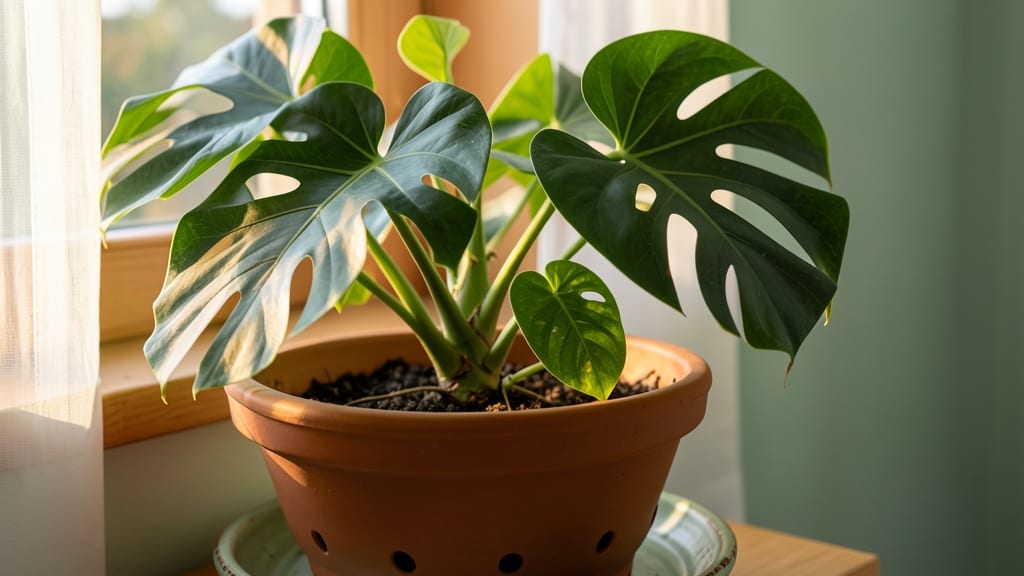
If your garden space is limited but you're dreaming of lush, thriving plants, a wide flower pot could be your secret weapon. These spacious containers aren't just for show—they give plants like ferns and hostas the room their roots crave, turning even small balconies into vibrant green havens.
Choosing the right wide pot isn't just about aesthetics—it's about giving your plants the perfect home. Whether you're working with a cozy patio or a snug urban balcony, the right width can make all the difference in how well your greenery grows.
Let's explore how to pick the ideal pot and transform your space with smart, stylish gardening.
From creating stunning focal points to maximizing tiny spaces, wide pots offer endless possibilities. You'll discover creative ways to arrange them, pair plants for maximum impact, and keep your garden looking its best with minimal effort. Ready to elevate your outdoor space?
We'll cover everything from material choices to maintenance tips, so you can confidently select a pot that works as hard as you do. Your dream garden starts with the right container—let's get growing!
How to choose wide flower pots for large root systems
If your hostas are crowding their pots or your palm trees look cramped, it’s time to upgrade to a wide flower pot. These containers aren’t just for show—they’re essential for plants with expansive root systems that need room to spread.
The right pot can prevent root-bound stress, improve growth, and even extend your plant’s lifespan. But how do you choose one that balances functionality and aesthetics?
First, consider the material durability. Terracotta is breathable but heavy, while lightweight plastic or fiberglass pots are easier to move. Then, prioritize drainage efficiency—no plant thrives in soggy soil. Finally, match the pot’s width-to-depth ratio to your plant’s needs.
A shallow but wide pot works for hostas and ferns, while deep and wide pots suit palms or elephant ears.
For hostas and ferns, aim for a pot that’s at least 12–18 inches wide to accommodate their shallow but sprawling roots. These plants thrive in moist but well-draining soil, so terracotta or ceramic pots are ideal—they wick away excess moisture while keeping roots cool.
Just remember: larger pots dry out faster, so monitor soil moisture closely in hot climates.
If you’re growing palms or elephant ears, opt for pots that are both wide and deep. A 24-inch diameter with 12-inch depth gives roots the space to grow downward while spreading outward.
For these heavy plants, choose heavy-duty materials like resin or thick plastic to prevent tipping. Add weighted bases or place them on cinder blocks for extra stability.
Don’t overlook orchids, which need a specialized wide pot with airflow slits instead of traditional drainage holes. Their roots thrive in humidity and partial shade, so a semi-transparent plastic pot lets you monitor root health while providing the right environment.
Pair it with a chunky bark mix to mimic their natural epiphytic habitat.
When selecting a pot, always measure your plant’s current root ball and add 2–3 inches of extra space on all sides. This prevents root binding and allows for future growth.
Pro tip: If your plant is root-bound, gently loosen the roots before repotting to encourage outward growth into the wider space.
Finally, think about aesthetics and mobility. Lightweight fiberglass pots are perfect for balcony gardens or patio arrangements, while ornamental ceramic pots add elegance to permanent garden beds. For large root systems, consider wheelbarrow planters or half-barrels—they’re wide, durable, and easy to
Top 5 space-saving wide flower pot designs for small gardens
Small gardens don’t mean small possibilities—especially when you choose the right wide flower pots. These clever designs give your plants room to grow without taking up valuable floor space.
Whether you're working with a balcony, patio, or tiny yard, these solutions maximize your green space while keeping your garden stylish and functional.
Wide pots are perfect for plants like elephant ears, bamboo, or hostas, which need extra room for their sprawling roots. The key is to think vertically or use modular systems that expand horizontally without sacrificing space.
Let’s explore five innovative designs that will transform your compact garden into a lush, thriving oasis.
-
Wall-Mounted Wide Planters
Perfect for vertical gardening, these pots attach to walls or fences, freeing up floor space. Ideal for trailing plants like fuchsias or petunias. Choose pots with built-in brackets for stability. Example: A 24-inch-wide ceramic pot mounted on a brick wall. -
Tiered Planter Systems
Stacked pots create layers of greenery without expanding your footprint. The top tier holds smaller plants like succulents, while the bottom tier accommodates wide-rooted plants like calatheas. Example: A three-tier system with the bottom pot 30 inches wide. -
Modular Grid Planters
Connectable pots let you expand horizontally as needed. Great for bamboo or ornamental grasses. Start with a 12-inch square base and add sections to create a custom-sized planter. Example: A 48-inch-wide grid for a bold statement. -
Hanging Wide Baskets
For small spaces, choose deep, wide baskets that hang from ceilings or pergolas. Perfect for spider plants or strelitzia. Look for baskets with 18-inch diameters to accommodate wider root systems. -
Corner Planters with Wide Bases
Fits snugly into corners, maximizing space in tight areas. Ideal for elephant ears or large hostas. Choose a pot with a 20-inch-wide base and a height of 12 inches to balance proportions.
When selecting wide pots, prioritize durability and drainage. Terracotta and fiberglass are great for heat retention, while plastic pots are lightweight and budget-friendly. Pair your pots with plants that thrive in similar conditions—like moisture-loving ferns and shade-tolerant hostas—to create a cohesive look.
Don’t forget to group pots of similar sizes for a polished look. For example, place a 36-inch-wide pot with elephant ears next to a slightly smaller pot with calatheas to create visual balance. With these space-saving designs, your small garden can become a vibrant, functional retreat.
Experiment with textures and colors to add personality. A glazed ceramic pot in deep green or a rustic wooden planter can elevate your garden’s aesthetic while keeping it practical. Happy planting!