
Shrubs
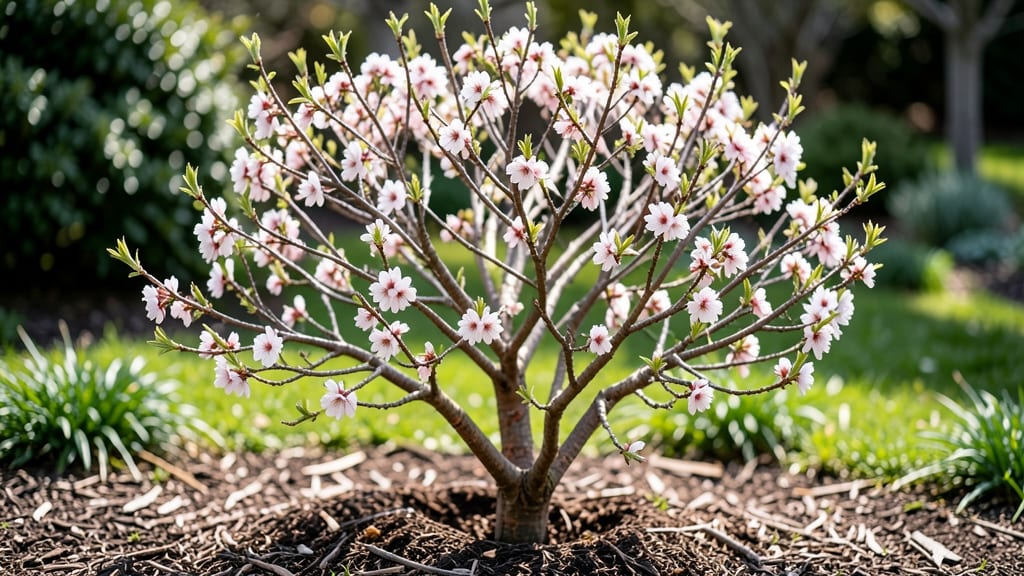
Choosing the right flowering almond size can mean the difference between a stunning garden centerpiece and one that quickly outgrows its welcome. This delicate tree, with its 🌸 pink and white blossoms, grows surprisingly fast—reaching 10 to 20 feet in ideal conditions.
If you're working with limited space, a dwarf variety (just 6 to 10 feet tall) might be your best bet. But even standard-sized trees can work with the right planning—think borders, espalier training, or container growing.
The key is understanding how quickly they grow and how much room they’ll need as they mature.
I’ll break down the differences between dwarf and standard sizes, so you can pick the perfect fit for your garden.
Whether you’re dreaming of a small patio tree or a dramatic backyard focal point, we’ll cover spacing, pruning tips, and how to keep your flowering almond looking its best without taking over your space.
Let’s make sure your garden gets the right-sized tree for the showstopping blooms you love—without the headaches of overgrowth. Ready to find your perfect match?

Flowering almond tree size comparison: dwarf vs standard height breakdown
When planning your garden, the flowering almond size you choose will shape your entire layout. These trees grow fast—standard varieties can reach 20 to 30 feet tall, while dwarf types stay compact at 6 to 10 feet.
The difference isn’t just height; it’s about how much space they’ll need for roots, branches, and those stunning spring blooms that make them so popular.
For small gardens or urban spaces, a dwarf flowering almond might be your only option. But even standard trees can work if you’re strategic about placement and pruning. Let’s compare the two so you can pick the perfect fit for your yard, patio, or container garden.
The dwarf flowering almond is the clear winner for small spaces, but don’t underestimate its impact. Even at 6 to 10 feet, it’ll still produce those showstopping pink and white blooms that appear before leaves in early spring.
Its narrower spread (6–8 feet) makes it ideal for tight spots, and its slower growth means you won’t need to prune aggressively.
Standard flowering almonds, on the other hand, are statement-makers. Their 20 to 30 feet height and wide canopies (15–25 feet) create dramatic focal points in large gardens.
They thrive in open areas where they can spread their branches freely, but their root systems (10–15 feet wide) need plenty of room to avoid crowding other plants.
If you’re torn between sizes, consider your garden’s sunlight exposure and wind conditions. Dwarf varieties handle container growing well, making them perfect for patios or balconies. Standard trees, however, need full sun (6+ hours daily) and protection from strong winds to support their height.
Both types prefer well-draining soil, but standard trees may need occasional staking to stay upright.
One often-overlooked factor is future growth. A dwarf flowering almond might start at 6 feet, but it could still grow another 2 to 4 feet over time. Always leave extra space for roots and branches—even dwarf trees can surprise you with their vigor.
For standard varieties, plan for at least 10 feet of clearance above and around the tree to avoid power lines or walkways.
For small gardens, another trick is to plant your flowering almond near a south-facing wall. This gives the tree support while maximizing sunlight, which encourages healthier blooms.
You can also use espalier training to grow a standard tree flat against a fence, turning it into a living artwork while controlling its width.
Remember, the right size isn’t just about height—it’s about how the tree fits into your daily life. A dwarf variety means less pruning and easier maintenance, while a standard tree offers that grand, park-like feel if you have the space.
Whichever you choose, your flowering almond will reward you with months of fragrant blooms and a garden that feels like a true sanctuary.
Now that you’ve compared the sizes, the next step is picking the perfect variety for your space. Stay tuned for my guide on the best dwarf flowering almond varieties that thrive in containers and small yards—each with its own unique bloom color and care tips!
Best dwarf flowering almond varieties for compact gardens
If you love the delicate beauty of flowering almonds but need a space-saving solution, dwarf varieties are your perfect match. These compact trees pack all the springtime charm into a 6- to 10-foot package, making them ideal for patios, small yards, and even large containers.
I’ve selected the top 5 dwarf varieties that thrive in tight spaces while delivering stunning blooms and minimal maintenance.
When choosing a dwarf flowering almond, consider bloom color, cold hardiness, and growth habits. Some varieties, like 'Purple Robe', offer unique foliage colors, while others prioritize abundant flowers or disease resistance.
Let’s explore the best options for your compact garden, so you can enjoy their early spring display without sacrificing space.
-
1. 'Dwarf Flowering Almond'
Height: 6-8 ft | Spread: 5-6 ft | Blooms: Pink/white | Zones: 4-9 -
2. 'Purple Robe'
Height: 7-9 ft | Spread: 6-7 ft | Blooms: Pink | Foliage: Purple-red | Zones: 5-9 -
3. 'Pink Perfection'
Height: 8-10 ft | Spread: 7-8 ft | Blooms: Deep pink | Zones: 6-9 -
4. 'Snow Fountain'
Height: 6-8 ft | Spread: 5-6 ft | Blooms: White | Zones: 5-9 -
5. 'Royal Purple'
Height: 7-9 ft | Spread: 6-7 ft | Blooms: Pink | Foliage: Purple | Zones: 4-8
All varieties thrive in full sun and well-draining soil—perfect for small gardens!
'Dwarf Flowering Almond' is a classic choice with abundant pink and white blooms that appear before the leaves. It’s highly adaptable to urban environments and tolerates dry spells once established.
For a bold contrast, 'Purple Robe' offers vibrant purple foliage that deepens in color as the season progresses, creating a stunning backdrop for its pink flowers.
'Pink Perfection' lives up to its name with deep pink blossoms that create a dramatic focal point in early spring. This variety is particularly cold-hardy, making it ideal for northern climates where winters are harsh.
If you prefer pure white flowers, 'Snow Fountain' is a elegant alternative that pairs beautifully with purple-leaved varieties for a monochromatic garden scheme.
'Royal Purple' combines striking purple foliage with pink flowers for a year-round interest tree. It’s slightly more compact than other dwarf varieties, making it perfect for small patios or container growing.
All these varieties require minimal pruning—just remove dead or crossing branches in late winter to maintain their neat shape.
For container growing, choose a large pot (at least 20 gallons) with drainage holes and use a well-draining potting mix. Water deeply once a week during the growing season and fertilize lightly in early spring.
With the right dwarf variety, you can enjoy the magical spring blooms of a flowering almond without the space constraints of a standard tree.
Which of these dwarf flowering almonds catches your eye? Whether you’re drawn to classic pink blooms or purple foliage, there’s a perfect fit for your compact garden. Plant one this spring and transform your space into a blossom-filled paradise! 🌸