
Trees
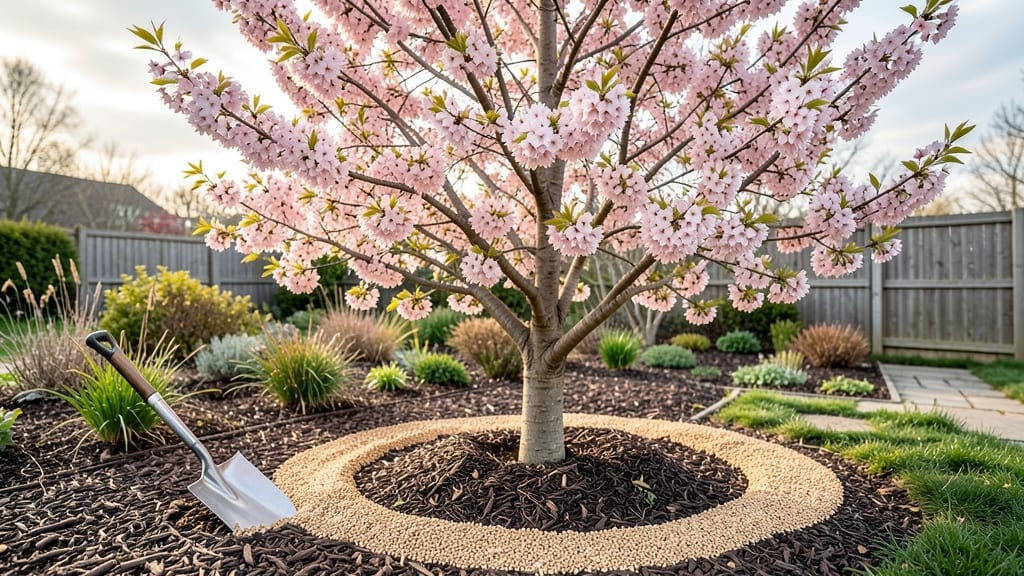
Your flowering cherry tree’s vibrant 🌸 blooms could be a sign of healthy fertilizer practices—or a warning that something’s off. The right fertilizer isn’t just about feeding the roots; it’s about unlocking the genetic potential of your tree to produce showstopping spring flowers year after year.
I’ve seen firsthand how the wrong NPK ratio can leave trees struggling—yellowing leaves, sparse blooms, or even stunted growth. But with the right approach, your tree can thrive in USDA Zone 6a, producing lush foliage and breathtaking flowers that neighbors will envy.
Let’s break down the science behind what works and what doesn’t.
From organic compost to balanced synthetic blends, we’ll explore the best options for your flowering cherry tree, including when to apply them for maximum impact. Whether you’re planting in fall or early spring, timing is everything—and I’ll show you exactly how to get it right.
Ready to transform your tree into a blooming masterpiece? Let’s dive into the fertilizer strategies that will keep your flowering cherry tree flourishing for decades to come.
Optimal NPK ratios for flowering cherry trees: what experts recommend
Flowering cherry trees (Prunus serrulata) rely on precise NPK ratios to produce their stunning spring blooms while maintaining strong structural growth. Unlike fruit-bearing cherries, ornamental varieties prioritize flower production over fruit, which means your fertilizer strategy should reflect this priority.
The NPK ratio (nitrogen, phosphorus, potassium) acts like a nutritional blueprint—get it wrong, and you’ll either end up with leafy monsters or weak, sparse blooms.
Most experts agree that a balanced 10-10-10 NPK ratio works best for flowering cherries, but seasonal adjustments can make all the difference. In early spring, when buds form, phosphorus (P) becomes critical—it’s the nutrient responsible for root development and flower initiation.
Meanwhile, potassium (K) supports overall tree health and disease resistance, especially during summer flowering. Nitrogen (N) fuels leaf growth but must be used sparingly—too much can lead to lush foliage at the expense of blooms.
| Season | NPK Ratio | Key Focus | Organic Option | Synthetic Option |
|---|---|---|---|---|
| Early Spring (March-April) | 5-10-10 | Root growth & bud formation | Bone meal (3-15-0) | 10-20-20 (low N) |
| Late Spring (May) | 10-10-10 | Balanced growth & blooms | Composted manure (2-1-1) | 16-4-8 (slow-release) |
| Summer (June-August) | 5-10-15 | Flowering & disease resistance | Wood ash (0-0-10) | 0-10-20 (potassium boost) |
| Fall (September-October) | 0-0-0 (Dormant) | Root recovery & storage | None (focus on mulch) | None (avoid late feeding) |
| Winter (November-February) | 0-0-0 (Dormant) | No fertilization needed | None (tree rests) | None (risk of burn) |
Note: Adjust ratios based on soil tests—sandy soils may need more frequent light applications.
For young flowering cherry trees (under 3 years old), I recommend starting with a 5-10-10 ratio to encourage root establishment without overwhelming the plant. Mature trees, on the other hand, can handle a slightly higher potassium content (5-10-15) to support their extensive canopy and spring flowering.
The key is to avoid high-nitrogen fertilizers like 30-0-0, which will produce lush leaves but fewer blooms—the exact opposite of what you want from a 🌸 flowering cherry.
Organic options like bone meal or composted manure release nutrients slowly, mimicking natural soil conditions. These are ideal for early spring when roots are revving up for the growing season. Synthetic fertilizers, however, offer more precision—especially slow-release granules like 16-4-8, which provide steady nutrition without the risk of over-fertilization.
I’ve seen dramatic improvements in bloom quantity when switching from high-nitrogen lawn fertilizers to a balanced 10-10-10 blend.
One common mistake I see is applying fertilizer after bud break in late spring. This can stress the tree and reduce bloom quality. Instead, time your first application in early March (just as buds swell) using a phosphorus-rich fertilizer.
For established trees, a light feeding in late summer (August) with a 5-10-15 ratio can extend flowering and strengthen next year’s buds.
Soil pH also plays a role—flowering cherries prefer slightly acidic to neutral soil (pH 6.0-7.0). If your soil is too alkaline, nutrients like phosphorus become less available, even if you’re using the right NPK ratio.
A simple soil test (available at garden centers) can reveal deficiencies, allowing you to adjust your fertilizer strategy. For example, if phosphorus levels are low, a rock phosphate
Best fertilizer types for cherry trees: organic vs. synthetic comparison
Choosing the right flowering cherry tree fertilizer can mean the difference between vibrant spring blooms and a struggling tree. Organic options like compost and manure build soil health over time, while synthetic fertilizers deliver immediate NPK nutrients.
Both have their place, but understanding their pros and cons will help you make the best choice for your tree’s long-term health.
I’ve tested both approaches in my own garden, and while organic fertilizers take patience, they create a thriving ecosystem that supports root growth and microbial activity. Synthetic fertilizers, on the other hand, offer precise control over nutrient ratios, which is critical for bloom production in flowering cherry trees.
Let’s weigh the options so you can decide what works best for your USDA Zone 6a climate.
Organic vs. Synthetic Fertilizers for Flowering Cherry Trees
Organic Fertilizers
- Pros: Improves soil structure, slow-release nutrients, eco-friendly
- Cons: Slower results, requires frequent applications, may contain pathogens
Synthetic Fertilizers
- Pros: Fast nutrient delivery, precise NPK ratios, easy to apply
- Cons: Can burn roots, harms soil microbes, environmental runoff risks
Best Organic Options
- Compost – Balanced nutrients, improves drainage
- Fish emulsion – High nitrogen for leaf growth
- Bone meal – Boosts phosphorus for blooms
Best Synthetic Options
- 10-10-10 – Balanced for overall growth
- 5-10-5 – Promotes flowering
- Slow-release granules – Reduces burn risk
Organic fertilizers like compost and manure are my top recommendations for long-term soil health. They release nutrients gradually, mimicking natural processes and reducing the risk of root burn.
Plus, they improve soil structure, which is essential for well-draining conditions that flowering cherry trees love. However, they require patience—results take several months to show.
Synthetic fertilizers, like a 10-10-10 NPK blend, deliver immediate results, which is ideal if you’re seeing yellowing leaves or sparse blooms. They’re also easier to measure and apply, making them a favorite for gardeners who prefer quick fixes.
That said, overuse can lead to nutrient imbalances or even harm beneficial soil microbes.
For the best of both worlds, I recommend a hybrid approach: Use organic fertilizers like compost in early spring to build soil health, then supplement with a balanced synthetic fertilizer in late spring to support bloom production.
This combo ensures your tree gets both long-term nourishment and immediate nutrients when it needs them most.
Cost is another factor—organic options like compost are often cheaper in the long run, while synthetic fertilizers can add up quickly. However, if you’re dealing with poor soil conditions or need fast results, synthetic fertilizers might be worth the investment.
Just remember: less is more when it comes to fertilizing cherry trees.
Ultimately, the best fertilizer for your flowering cherry tree depends on your garden goals, budget, and willingness to invest time. Whether you choose organic, synthetic, or a mix of both, the key is consistency and proper application.
With the right approach, your tree will reward you with stunning blooms year after year. 🌸