
Shrubs
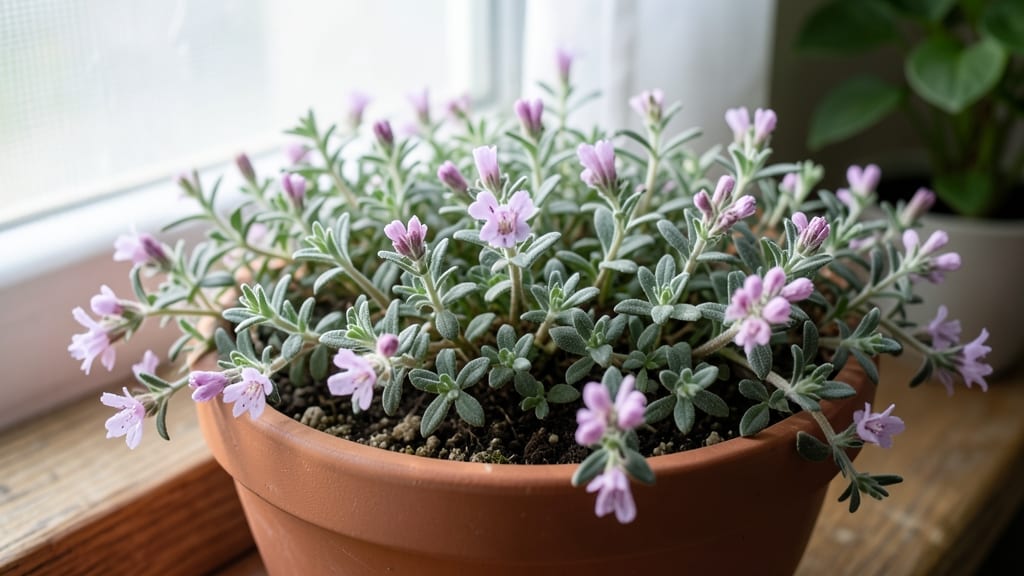
How to grow flowering creeping thyme for maximum beauty and pollinator support
If you're dreaming of a vibrant, pollinator-friendly garden that requires minimal effort, flowering creeping thyme is your perfect ally. This hardy perennial not only thrives in tough conditions but also creates a stunning carpet of lavender, pink, or white blooms that bees and butterflies adore.
With its drought-tolerant nature and ability to spread beautifully, it's ideal for borders, slopes, and even between stepping stones.
Unlike its culinary cousin, this variety is grown purely for its ornamental flowers and pollinator benefits. The key to maximizing its beauty lies in providing the right growing conditions, from well-draining soil to ample sunlight.
Let's dive into the essential steps to cultivate thriving creeping thyme that will keep your garden buzzing with activity all season long.
Step-by-Step Guide to Planting & Caring for Flowering Creeping Thyme
- 1 Choose the Perfect Location: Select a spot with full sun exposure (6+ hours daily) and well-draining soil. Creeping thyme despises soggy roots, so avoid low-lying areas where water pools.
- 2 Prepare the Soil: Amend heavy or clay soil with compost or coarse sand to improve drainage. Test soil pH (ideal range: 6.0-7.5) and adjust with lime if needed. A light layer of gravel beneath planting areas helps prevent root rot.
- 3 Plant with Proper Spacing: Space plants 12-18 inches apart for full coverage. Dig holes twice as wide as the root ball but only as deep. Gently remove plants from containers and loosen roots before placing them in the soil.
- 4 Water Deeply After Planting: Give new plants a deep watering (1 inch) to help roots establish. After that, water only when the top 1-2 inches of soil are completely dry. Overwatering is the #1 killer of creeping thyme!
- 5 Apply Mulch Strategically: Use 2-3 inches of gravel or coarse mulch around plants (keep it 2 inches away from stems) to retain moisture and suppress weeds. Organic mulch can attract slugs, so inorganic options are best.
- 6 Fertilize Lightly in Spring: Use a balanced fertilizer (5-10-10) at half-strength in early spring. Avoid high-nitrogen fertilizers, which promote leafy growth at the expense of flowers. A 1 tbsp per 10 sq ft is plenty.
Once established, creeping thyme becomes nearly self-sufficient, requiring very little maintenance beyond occasional pruning. The secret to prolonged blooming is deadheading spent flowers regularly. Simply snip off flower stalks after they fade to encourage more blooms throughout the season.
This simple step can extend your plant's flowering period by 4-6 weeks!
For maximum pollinator support, consider planting creeping thyme in clusters rather than scattered plants. Bees and butterflies are more likely to visit when they can find abundant nectar sources.
Pair it with other pollinator-friendly plants like lavender, catmint, or coneflowers to create a buzzing ecosystem. The fragrant foliage alone will attract beneficial insects to your garden.
In USDA zones 5-9, creeping thyme is perennial and will return year after year with proper care. In colder zones, apply a light mulch of straw in late fall to protect roots during winter.
The plant's woody stems can handle freezing temperatures, but the roots appreciate some insulation during harsh winters. Spring brings new growth, and with it, another season of vibrant blooms and pollinator activity.
One of the greatest advantages of creeping thyme is its disease resistance. Unlike many ground covers, it rarely suffers from fungal issues or pests. However, watch for thyme loopers (small green caterpillars) in late summer. If you spot them, simply handpick and drop
Top 5 varieties of flowering creeping thyme for different garden styles
If you love the idea of a fragrant, pollinator-friendly ground cover that thrives in full sun and poor soil, flowering creeping thyme delivers. But did you know there are five standout varieties, each perfect for different garden styles?
From vibrant pink blooms to snowy white flowers, these varieties offer both beauty and function. Let's explore the top five to help you choose the perfect fit for your landscape.
Whether you're designing a rock garden, a pollinator-friendly border, or a low-maintenance pathway, creeping thyme varieties bring unique colors and textures. The key is matching the variety to your garden's light conditions, color palette, and maintenance preferences.
For example, 'Elfin' thrives in hot, dry climates, while 'Summer Snow' adds a cool contrast to sunny borders. Let’s dive into the details!
Creeping Thyme Variety Comparison
| Variety | Flower Color | Height (inches) | Spread (feet) | Best For | Pollinator Appeal |
|---|---|---|---|---|---|
| 'Elfin' | Pink | 0.5-1 | 2-3 | Rock gardens, slopes | Bees, butterflies |
| 'Summer Snow' | White | 0.5-1 | 2-3 | Borders, containers | Bees, hoverflies |
| 'Coccinia' | Red-pink | 0.5-1 | 1.5-2.5 | Pollinator gardens | Bees, hummingbirds |
| 'Pink Chintz' | Soft pink | 0.5-1 | 2-3 | Pathways, borders | Butterflies, bees |
| 'White' | Pure white | 0.5-1 | 2-3 | Formal gardens | Bees, early spring pollinators |
'Elfin' is my go-to for hot, dry climates because it handles intense heat and poor soil like a champ. Its bright pink flowers bloom from late spring to fall, making it a pollinator magnet.
Plant it in rock gardens or steep slopes where other plants might struggle. The aromatic foliage also deters pests naturally, adding another layer of functionality.
'Summer Snow' stands out with its pure white blooms, creating a striking contrast against green foliage or dark mulch. This variety is perfect for containers or formal borders where you want a clean, elegant look.
It’s also one of the earliest to bloom, providing early-season nectar for bees and hoverflies. Pair it with lavender or salvia for a cohesive pollinator-friendly display.
'Coccinia' is a bold choice with its deep red-pink flowers that catch the eye from a distance. It’s ideal for pollinator gardens because it attracts hummingbirds and bees