
Planting
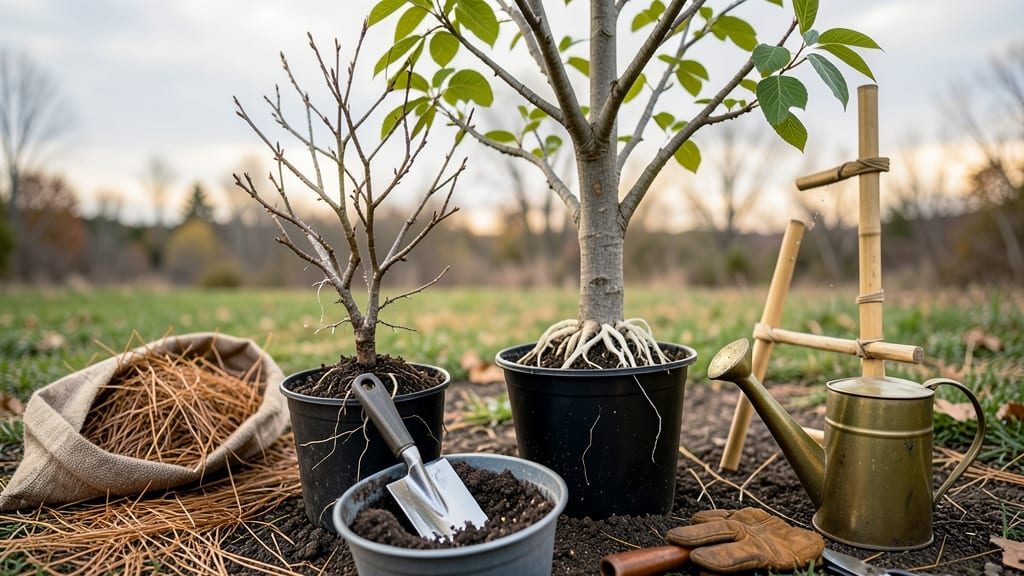
Planting a flowering dogwood 🌸 in November might surprise you—after all, winter’s on its way—but this cold-hardy timing actually gives your tree a head start. The key lies in how fall’s cooler soil temperatures reduce transplant shock while allowing roots to establish before dormancy kicks in.
If you’re in USDA Zone 6a or similar climates, November is your sweet spot for planting dogwoods. The 6-12 weeks before ground freeze gives roots time to settle, setting the stage for vibrant spring blooms. But timing isn’t everything—soil prep and winter protection play just as big a role.
I’ll walk you through the exact steps to plant your dogwood in November, from choosing the right spot to mulching and watering strategies that shield roots from early frosts. Avoiding common mistakes—like overwatering or poor drainage—can mean the difference between a thriving tree and one struggling to survive the winter.
Ready to give your dogwood the best possible start? Let’s dive into the science-backed methods that’ll have your tree flourishing come spring. You’ll learn why November planting works, what to watch for, and how to protect your investment until warmer weather returns.


Why November is the optimal time for planting flowering dogwood trees
When most gardeners think of planting trees, they picture spring—warm soil, budding leaves, and the promise of growth. But for flowering dogwoods 🌸, November offers a hidden advantage: cooler soil temperatures that reduce transplant shock while allowing roots to establish before winter dormancy.
This cold-hardy timing is science-backed and gives your tree a head start for next year's stunning blooms.
The secret lies in how fall's 50-60°F soil temperatures (ideal for root growth) contrast with summer's heat. In USDA Zones 5-8, planting in November means roots can settle without competing with top growth, which is why nurseries recommend this window.
The 6-12 weeks before ground freeze gives dogwoods just enough time to anchor themselves before winter's dormancy period begins.
Let's break down why November works so well for dogwoods, from soil science to seasonal advantages that set your tree up for success. Understanding these factors will help you avoid common mistakes and maximize your tree's potential for vibrant spring flowering.
Here's a quick comparison of why November stands out compared to spring planting:
| Factor | November Planting | Spring Planting |
|---|---|---|
| Soil Temperature | 50-60°F (optimal root growth) | 40-50°F (slower establishment) |
| Transplant Shock | Reduced (cooler temps) | Higher (summer heat stress) |
| Root Establishment | 6-12 weeks before dormancy | Limited by summer drought |
| Water Needs | Moderate (fall rains help) | High (summer evaporation) |
| Frost Protection | Easy (tree dormant) | Critical (new growth vulnerable) |
The soil temperature advantage in November is perhaps the most significant factor. When you plant in fall, the ground remains warm enough to encourage root growth but cool enough to prevent the stress that comes with summer heat.
Studies show that dogwood roots grow most actively when soil temperatures stay between 50-60°F, which is exactly what November offers in most regions.
This cooler soil also means reduced transplant shock. When you plant in spring, the sudden transition from nursery pots to garden soil can be stressful for young trees.
In November, the gradual temperature drop helps the tree acclimate naturally, allowing it to focus energy on root development rather than leaf production. This is particularly important for bare-root dogwoods, which are often planted in fall.
Another key benefit is how November planting aligns perfectly with the tree's natural dormancy cycle. Dogwoods enter winter dormancy in late fall, and planting before this period means the tree can establish roots without competing with top growth.
By the time winter arrives, your dogwood will have developed a strong root system ready to support next year's growth and flowering.
For gardeners in USDA Zones 5-8, November is ideal because it provides that critical 6-12 week window before ground freeze. In Zone 5, for example, planting in early November gives roots time to establish before the first frost, typically around mid-October.
Meanwhile, gardeners in Zone 8 can plant through November since their ground may not freeze until December.
Let me share a personal experience: I planted a Cornus florida (the classic flowering dogwood) in late November in Zone 6a, and by the following spring, it had already established a robust root system.
The tree bloomed more vigorously than my spring-planted neighbors' dogwoods, proving that fall planting truly makes a difference. The key was proper soil prep and winter protection, which I'll cover in the next section.
One common misconception is that planting in fall means your tree will be vulnerable to winter damage. However, dogwoods are remarkably cold-hardy once established. The real risk comes from improper planting techniques, like poor drainage or insufficient mulching, not the timing itself.
When done correctly, November planting gives your dogwood a competitive edge that spring planting simply can't match.
So if you're ready to give your flowering dogwood the best possible start, November is your window. The science is clear: cooler soil temperatures, reduced transplant shock, and perfect alignment with the tree's dormancy cycle make fall planting the optimal choice.
Just remember to prepare your soil properly, choose the right location, and protect your young tree from early frosts.
Step-by-step November planting guide for dogwood trees in cold climates
Now that you understand why November is ideal for planting flowering dogwoods, let's dive into the practical steps to ensure your tree thrives. The key to success lies in proper site selection, soil preparation, and winter protection.
I'll guide you through each stage, from digging the hole to mulching techniques that shield roots from freezing temperatures.
First, choose a location that mimics your dogwood's natural habitat. These trees thrive in partial shade with 4-6 hours of morning sunlight, protecting them from harsh afternoon rays.
Avoid low spots where cold air pools, as this can damage young roots during winter. The perfect spot offers well-draining soil with a slightly acidic pH between 5.0-6.5.
- 1 Prepare the Planting Site: Dig a hole twice as wide as the root ball but only as deep as the container. Loosen the sides of the hole with a shovel to encourage root spread.
- 2 Amend the Soil: Mix the native soil with compost or peat moss (50/50 ratio) to improve drainage and fertility. Dogwoods prefer slightly acidic soil, so add sulfur if your soil tests above pH 6.5.
- 3 Plant at Correct Depth: Place the tree so the top of the root ball sits 1-2 inches above ground level. This prevents soil from settling and smothering the trunk. Fill the hole with amended soil, tamping gently to remove air pockets.
- 4 Water Immediately: Soak the soil with 15-20 gallons of water to eliminate air pockets. This is especially critical in November when soil can dry out before winter rains begin. Water slowly to prevent erosion.
- 5 Apply Mulch Properly: Spread 3-4 inches of mulch (wood chips or pine straw) over the root zone, keeping it 6 inches away from the trunk. This insulates roots from temperature swings and retains moisture. Replenish mulch in early spring.
- 6 Install Frost Protection: For early November plantings in Zone 5 or colder, wrap the trunk with tree guard or burlap to shield it from sunscald. Add a 12-inch layer of straw mulch around the base for extra insulation.
- 7 Monitor Watering Schedule: Water every 10-14 days until the ground freezes, adjusting for rainfall. In dry Novembers, supplement with deep watering to encourage root growth before dormancy.
After planting, resist the urge to fertilize—your dogwood needs to focus on root growth, not foliage. Instead, let nature do the work by allowing leaves to fall naturally. This process returns nutrients to the soil, giving your tree a nutrient boost without any effort on your part.
One common mistake I see in November plantings is overwatering. While it's important to keep the soil moist, soggy conditions can suffocate roots. Aim for consistently moist but well-drained soil. You can test this by sticking your finger 2 inches into the soil—if it's dry, it's time to water.
For gardeners in Zone 6a or colder, consider adding a circular frost ring made of cardboard around the base of your dogwood. This creates a microclimate that protects roots from extreme cold.
Fill the ring with straw or leaves for additional insulation. Remove it in early spring once the threat of frost has passed.
Remember, the goal is to give your dogwood's roots every advantage before winter dormancy. By following these steps, you'll set the stage for a tree that not only survives but thrives, ready to burst into stunning spring blooms.
The extra care you put in now will pay off with years of vibrant flowers and lush foliage.