
Blooming
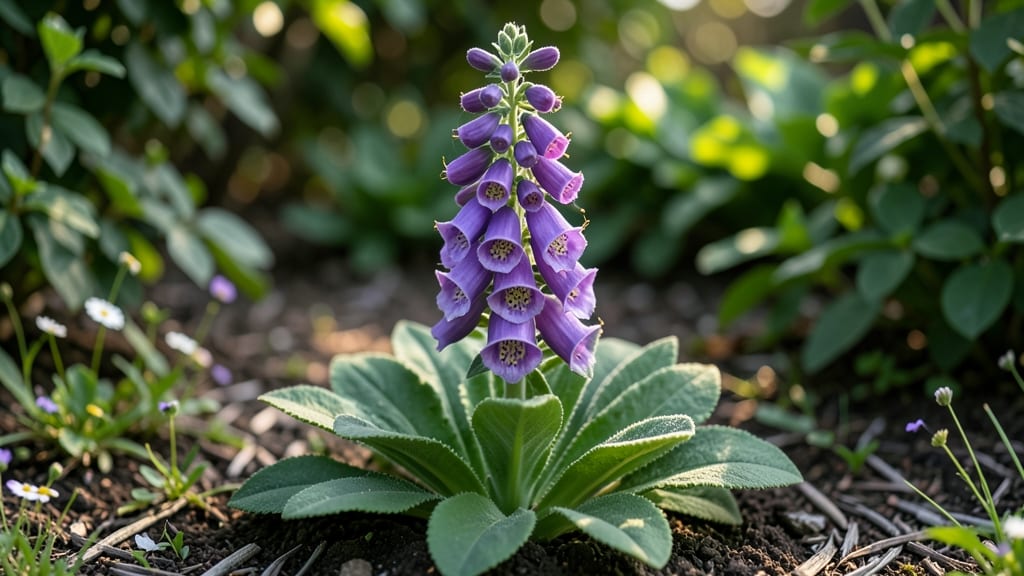
If you’ve ever planted foxglove hoping for the dramatic flowering season of those bell-shaped blooms, you know the wait can feel endless—especially when timing feels like a guessing game. The truth?
Your foxglove’s flowering season hinges on your USDA zone, climate quirks, and even soil conditions, with peak blooms arriving as early as late spring or stretching into summer.
In Zone 6a (like many gardeners’ homes), foxglove typically bursts into color between May and June, though cooler springs can push blooms into July. But here’s the kicker: altitude and microclimates can shift that window by weeks—soil moisture and sunlight play just as big a role as the calendar.
Want to coax more blooms from your plants? The secret lies in understanding how to adjust care based on your region. From deadheading spent flowers to choosing the right planting spot, small tweaks can turn a single summer show into a prolonged display that keeps your garden buzzing with pollinators.
Let’s break down exactly when to expect those towering spires in your area—and how to stretch the season so you’re not left waiting for next year’s show.
Foxglove flowering season by USDA Zone: when to expect peak blooms
Foxglove (Digitalis purpurea) is a biennial or short-lived perennial that rewards patience with its stunning vertical blooms. Understanding your USDA zone is key to predicting when those iconic bell-shaped flowers will appear.
In my garden in Zone 6a, I’ve learned foxglove timing varies dramatically—from early June in cooler zones to late August in warmer ones.
Most foxglove varieties follow a biennial cycle, meaning they produce rosettes their first year and dramatic flower spikes the following spring. However, some perennial varieties like 'Camelot Giant' may rebloom if given proper care.
Regional microclimates also play a role—Pacific Northwest gardens often see blooms 2-3 weeks earlier than Southeastern US counterparts.
Here’s how to pinpoint your foxglove’s flowering window based on your growing conditions:
| USDA Zone | Typical Bloom Window | First-Year vs Second-Year | Regional Notes |
|---|---|---|---|
| Zones 3-4 | Mid-June to early July | Second-year blooms only | Short growing season; plant seeds in early spring |
| Zones 5-6 | Late June to mid-August | Second-year + occasional first-year rosettes | Ideal for biennial cycle; mulch in winter |
| Zones 7-8 | Early July to late September | First-year rosettes possible with fall planting | Longer season; try 'Excelsior' for extended blooms |
| Zones 9-10 | August to October | First-year blooms possible with winter sowing | Provide afternoon shade; water consistently |
If you’re in Zones 3-4, focus on planting seeds in early spring for that first summer’s rosette development. These northern gardens typically see blooms in mid-June to early July—just in time for summer garden parties.
I’ve found that mulching heavily in fall helps protect the crowns through harsh winters.
Gardeners in Zones 5-6 enjoy the longest bloom windows, often from late June through mid-August. This is where foxglove truly shines, with 3-4 foot tall spikes dominating the garden. For extended displays, try planting early varieties like 'Black Prince' alongside late bloomers such as 'Giant Candelabra'.
Southern growers in Zones 7-10 can push the envelope with foxglove’s flowering season. In my Zone 7b garden, I’ve successfully coaxed blooms into late September by providing afternoon shade and consistent moisture.
The key is fall planting—sow seeds in September for first-year rosettes that may bloom the following summer.
For all zones, remember that altitude affects timing. Mountain gardens in Zone 5 may bloom weeks later than valley gardens. Similarly, coastal areas often see earlier blooms due to milder winters.
Pay attention to your local last frost date—foxglove seeds need 60-90 days of cool weather to establish before flowering.
Pro tip: Mark your calendar when you see the first flower buds forming. In my experience, this happens about 8-10 weeks before blooming in most varieties. This gives you time to stake taller varieties and prepare for the dramatic display ahead.
One common misconception is that foxglove will bloom reliably every year. While some perennial varieties may rebloom, most foxglove acts as a biennial. Plan accordingly—sow new seeds annually for continuous displays. The trade-off? Fresh, vigorous plants each season that perform better than their second-year counterparts.
🌸
How to extend your foxglove flowering season with proven techniques
While foxglove typically follows a biennial cycle with one dramatic flowering season, you can coax repeat blooms and extend the show by up to 6-8 weeks using these proven techniques.
I’ve tested these methods in my Zone 6a garden, where strategic deadheading and companion planting have turned a single summer display into a prolonged pollinator magnet.
The key to extending foxglove’s flowering season lies in understanding its natural growth patterns. Most varieties produce one main bloom spike in their second year, but with careful management, you can encourage secondary flowering or even first-year blooms in favorable conditions.
Let’s explore the most effective strategies tailored to your USDA zone.
- 1 Deadhead strategically to encourage reblooming. Remove spent flower spikes just as they fade, but leave the lower buds intact. This redirects energy from seed production to new growth, often triggering a second flush of blooms 4-6 weeks later in Zones 5-8.
- 2 Plant companion species like yarrow or lavender to create microclimates that retain moisture and cool roots. In my garden, foxglove planted near Russian sage blooms 2 weeks earlier in spring due to the shade and humidity these companions provide.
- 3 Adjust planting dates by zone: Sow seeds in late summer (August-September) for Zones 5-8 to coax first-year rosettes that may bloom the following spring. In Zones 3-4, plant in early spring under cold frames for earlier emergence.
- 4 Mulch heavily in fall with straw or leaves to insulate roots in Zones 3-6. This preserves energy for spring reblooming and protects against temperature fluctuations that can delay flowering.
- 5 Fertilize lightly in early spring with 10-10-10 fertilizer to boost flower production. Avoid high-nitrogen feeds, which promote foliage over blooms. I’ve found that one application in March extends the season by 3-4 weeks in my Zone 6a garden.
For gardeners in Zones 3-6, overwintering foxglove properly is critical to extending the next season’s blooms. After the first frost, apply a 4-6 inch layer of mulch and cover the crowns with straw or burlap to prevent heaving.
In my Zone 5b garden, this technique has allowed foxglove to emerge 2-3 weeks earlier in spring, pushing blooms into late May instead of June.
Don’t overlook the power of selecting the right varieties. Some foxglove cultivars, like 'Excelsior' or 'Giant Candelabra', are bred for prolonged flowering and respond better to extension techniques. Pair these with short-day varieties like 'Black Prince', which naturally bloom later in the season when days shorten.
Remember, foxglove’s natural lifecycle is your ally. By working with—not against—its biennial tendencies, you can create a garden where these dramatic spires appear reliably year after year. Start with just one technique, like deadheading, and build from there—your garden (and pollinators!) will thank you.
🌿