
Flowers
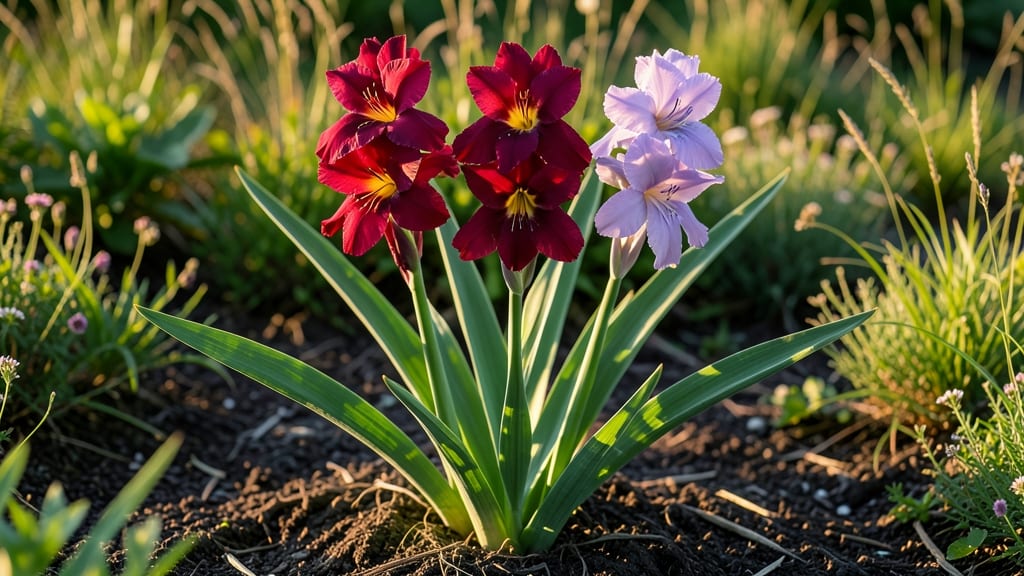
If you’ve ever waited eagerly for the gladiolus flower bloom time to arrive—only to watch those stunning spikes bloom weeks earlier or later than expected—you’re not alone.
The timing depends more on when you plant than on the calendar, and getting it right means the difference between a breathtaking summer display and a disappointing flop.
In most temperate zones, including USDA Zone 6a, these show-stopping spikes typically burst into color between mid-July and September, but the exact timing shifts based on your planting window and local climate.
Whether you’re in a cooler region or a hotter one, knowing these patterns lets you plan your garden’s grand finale with confidence.
I’ll break down exactly when to expect those iconic 🌸 blooms in your area, plus simple tricks to nudge them earlier or later—so you can enjoy their vibrant spikes right when you want them. No guesswork, just reliable color on cue.
Ready to turn your garden into a nonstop parade of gladiolus blooms? Let’s get started with the key factors that control their bloom schedule—and how to work with them for the best results.
Gladiolus bloom time by USDA hardiness Zone: month-by-month guide
Timing your gladiolus blooms depends entirely on your USDA hardiness zone. In Zone 3, for example, you’ll see early blooms in late June, while Zone 11 gardeners enjoy flowers from May through October.
The key is planting corms at the right time—typically 4-6 weeks before your last frost date—to align with your local growing season. Let’s break down the exact bloom windows by zone so you can plan your garden’s color highlights with confidence.
Most gladiolus varieties take 90-150 days to flower after planting. This means if you plant in April, you’ll likely see blooms in late June or July.
However, cooler zones like Zones 3-5 may experience 2-4 week delays due to slower soil warming, while Zones 8-11 can enjoy extended bloom periods thanks to milder winters. Understanding these variations ensures you choose the right varieties and planting schedule for your area.
🌱
| USDA Zone | Planting Time | Early Bloom Window | Peak Bloom Window | Late Bloom Window | Notes |
|---|---|---|---|---|---|
| Zones 3-4 | Mid-April to early May | Late June | July to early August | Mid-August | Cold-sensitive; use early varieties |
| Zones 5-6 | Late April to mid-May | Early June | June to mid-August | Late August | Ideal for long-season blooms |
| Zones 7-8 | March to early April | Late May | June to September | Early October | Extended season with succession planting |
| Zones 9-10 | February to March | April | May to October | November (with late varieties) | Plant in fall for winter blooms |
| Zone 11 | Year-round (best in fall/winter) | January | February to December | Year-round with staggered planting | Tropical varieties thrive year-round |
In Zones 3-4, where winters are harsh, focus on early-blooming varieties like 'White Friendship' or 'Green Star'. These varieties mature faster and can handle cooler soils. Plant corms in mid-April to ensure blooms arrive by late June, just in time for summer displays.
If your zone experiences late frosts, wait until soil temperatures reach 60°F before planting to avoid delays.
For Zones 5-6, where summers are warm but winters are cold, you can extend your bloom season by planting in two waves. Start with early varieties in late April for June blooms, then follow up with mid-season types in mid-May for August flowers.
This strategy ensures continuous color from June through September. Choose varieties like 'Black Star' or 'Pink Parfait' for reliable performance in these zones.
Gardeners in Zones 7-8 have the advantage of longer growing seasons, allowing for
How to adjust gladiolus bloom time for your local climate
Adjusting the gladiolus flower bloom time is all about working with your local climate—not against it. In cooler zones like USDA Zone 6a, blooms often arrive in mid-July, but with a few strategic tweaks, you can shift that window earlier or later.
The key lies in soil temperature, light exposure, and choosing the right varieties for your microclimate.
For example, if you’re in a warmer southern zone, blooms may appear as early as June, while northern gardeners might push them into late August by delaying planting.
The goal is to align your gladiolus’ growth cycle with your desired bloom window—whether that’s for a wedding bouquet, a summer garden party, or simply extending your seasonal color display.
Here’s where most gardeners go wrong: they assume planting date alone controls bloom time, but soil warmth and daylight hours play equally critical roles. A corm planted too early in cold soil may rot before sprouting, while one planted too late in hot soil can bolt prematurely.
Let’s fix that with actionable adjustments.
⚠️ Critical Mistake Alert: Planting Too Early in Cold Soil
Gladiolus corms require soil temperatures above 60°F (15°C) to sprout. Planting them in chilly spring soil (below 55°F/13°C) triggers rot before blooms appear. Use a soil thermometer to check depth—if it’s cooler than 60°F, wait or use black plastic mulch to warm the soil faster.
Pro Tip: In Zone 5 or colder, plant corms in late May (6-8 weeks before your last frost) to avoid early-season rot. For Zones 7-10, plant in fall (October-November) for earlier spring blooms.
To delay blooms in hot climates, try these tricks: plant corms in partial shade (30-50% sunlight) to slow growth, or choose late-season varieties like ‘Green Star’ or ‘Black Pearl,’ which naturally bloom 2-3 weeks later than standard types.
Shade cloth (30%) placed over plants can push back bloom time by 10-14 days without stunting growth.
For earlier blooms, focus on soil warmth and fertility. Amend your soil with compost or aged manure before planting to jumpstart root growth. In cooler climates, use row covers or cold frames to raise soil temps by 5-10°F, accelerating sprouting.
Varieties like ‘Picasso’ or ‘Attila’ are early bloomers, often flowering 4-6 weeks ahead of standard types.
Don’t overlook watering consistency—gladiolus need 1 inch of water weekly, but uneven moisture causes blooms to arrive unevenly or fail entirely. Use drip irrigation to keep soil evenly moist, especially during bud formation (6-8 weeks after planting).
Overhead watering can spread fungal diseases like botrytis, which weakens stems and delays blooms.
With these adjustments, you’ll turn your gladiolus into a reliable bloom machine, delivering color exactly when you want it—whether that’s for a July wedding, a backyard barbecue in August, or simply to enjoy their drama all summer long.
Start experimenting with one tweak at a time (e.g., shade cloth or soil warmth) to fine-tune your timing without risking failed blooms.