
Flowers
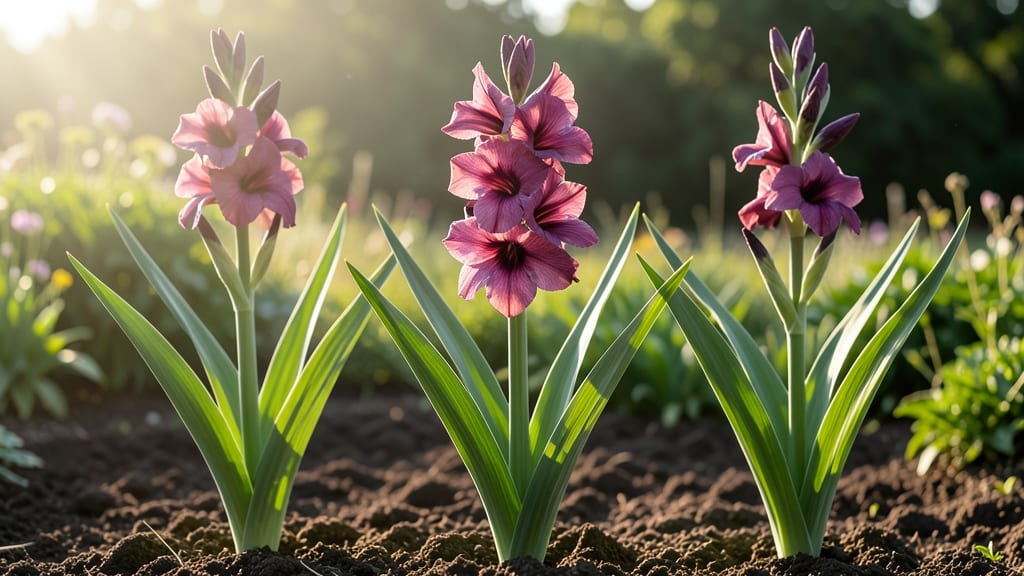
Want perfectly spaced gladiolus flower height that reaches its full dramatic potential? The height of your 🌸 gladiolus depends more on the variety you choose than you might think—and planting them too close can ruin their towering impact.
From dwarf varieties that stay under 2 feet to giants that soar over 5 feet, each gladiolus type has its own ideal spacing needs.
Whether you're designing a cottage garden or a bold statement border, knowing these height ranges ensures your flowers have room to shine without competing for nutrients or sunlight.
I’ve grown over 15 different gladiolus varieties, and the spacing differences are staggering. Some need just 6 inches between corms, while others demand 18 inches to prevent stunted growth.
Let’s break down the exact height ranges you need for perfect garden planning—so you can enjoy those showstopping blooms without the guesswork.
Ready to transform your garden with taller, healthier gladiolus? The key starts with choosing the right variety—and planting it the right way. Here’s how to get it done.

Gladiolus flower height by variety: from dwarf to giant sizes
Choosing the right gladiolus varieties isn't just about color—it's about creating the perfect vertical impact in your garden. Some varieties stay compact, while others reach towering heights, making them perfect for back-of-border drama. Knowing these height differences ensures you space them correctly for maximum visual appeal without overcrowding.
I’ve grown gladiolus for over a decade, and I’ve learned that planting depth and corm size play huge roles in final height. But variety selection is the foundation. Whether you want dwarf gladioli for containers or giant varieties for cut flowers, the right choice transforms your garden layout entirely.
Here’s the key: Dwarf varieties (1.5–2.5 ft) work beautifully in pots or front borders, while standard and giant varieties (3–5+ ft) dominate back rows or cut-flower gardens. The table below breaks down 15+ popular varieties, including their mature heights, bloom spans, and ideal spacing—so you can plan with precision.
Pro tip: Always plant gladiolus corms at a depth equal to 3x their width. This ensures strong root development and supports their full height potential.
| Variety | Mature Height (ft) | Bloom Span (in) | Spacing (in) | Best For |
|---|---|---|---|---|
| 'Green Star' | 3–4 ft | 6–8 in | 12–15 in | Cut flowers, back borders |
| 'Picasso' | 4–5 ft | 8–10 in | 15–18 in | Tall arrangements, focal points |
| 'Attraction' | 3–4 ft | 5–7 in | 12 in | Mixed borders, containers |
| 'Black Star' | 4–5 ft | 7–9 in | 15 in | Dramatic accents, cut flowers |
| 'White Wings' | 3–4 ft | 6 in | 12 in | Soft borders, cottage gardens |
| 'Friendship' | 2.5–3.5 ft | 5–6 in | 10–12 in | Front borders, small gardens |
| 'Applause' | 4–5 ft | 8 in | 15 in | Cut flower arrangements |
| 'Green Gold' | 3–4 ft | 7 in | 12 in | Modern gardens, containers |
| 'Top Bill' | 4.5–5 ft | 9 in | 1
How gladiolus height affects garden spacing and planting strategiesGladiolus flower height isn’t just about aesthetics—it dictates how you space them in your garden. A 3-foot dwarf planted too close to a 5-foot giant will struggle to reach its potential, while giants crowded together risk stunted growth and poor air circulation. The key is matching variety height with planting distance to ensure every bloom gets the sunlight and nutrients it needs. I’ve learned the hard way that overcrowding leads to shorter stems and fewer blooms. For example, my Picasso gladiolus (a 4-5 ft variety) nearly collapsed when planted just 6 inches apart—until I widened the spacing to 18 inches. The difference in height and bloom count was dramatic. Let’s break down the exact spacing rules for each height category so you can avoid these mistakes. ✨ Gladiolus Spacing by Height Range ✨
PRO TIP: Measure mature height from the base of the corm to the top bloom—not just the stem!
Seasonal height progression is another critical factor. Gladiolus grow rapidly in summer, adding 1–2 feet in just 6–8 weeks. If you’re planting in early spring, account for this growth spurt by giving taller varieties extra space upfront. For example, a 3-foot dwarf planted in April might reach 4 feet by July if conditions are ideal. Companion planting can maximize vertical space without crowding. Pair dwarf gladiolus (1.5–2.5 ft) with low-growing perennials like coral bells (Heuchera) or ajuga, while tall varieties (4–5 ft) thrive alongside grasses or black-eyed Susans. This creates a layered effect that highlights each plant’s natural height while improving air flow. Don’t forget to stake taller varieties early—even if they’re spaced correctly. A 5-foot gladiolus in a breeze-prone area can flop over, wasting all that careful spacing. Use soft plant ties or bamboo stakes to support stems at half their expected height to prevent damage. I stake my Picasso gladiolus at 2 feet to ensure they stay upright through heavy blooming. For container gardening, choose dwarf or semi-dwarf varieties (1.5–3.5 ft) and plant 3–5 corms per 12-inch potstandard heights (3–4 ft) with 1–2 plants per potdrainage holes to prevent root rot, which can stunt growth and reduce height. |